What is the Purpose of Polishing Pads in Surface Finishing?
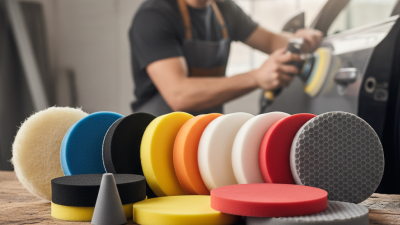
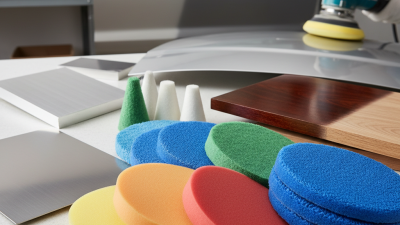
Polishing pads play a critical role in the surface finishing industry. These specialized tools are designed to achieve a smooth, reflective surface on various materials. Polishing pads can be made of different materials, each offering unique benefits. The right pad can enhance efficiency and improve overall results in projects.
Quality is essential when selecting polishing pads. They should be reliable and durable for optimal performance. Some pads may wear out quickly or leave scratches. It’s crucial to assess the choice based on the specific application. User experience often varies, highlighting the importance of proper selection.
Choosing the wrong polishing pad can lead to disappointing outcomes. Professionals often share stories of trial and error in their journey. Learning from these experiences is vital. Acknowledging that not every pad is suitable for every task can guide better decisions. Polishing pads are indispensable tools, but their effectiveness largely hinges on informed choices and refined techniques.
Definition and Role of Polishing Pads in Surface Finishing
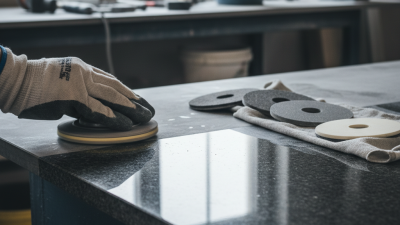
Polishing pads are essential tools in surface finishing. They play a crucial role in achieving desired surface textures and appearances. These pads are designed to enhance the contact between the polishing compound and the surface being worked on. Without them, polishing would be inefficient and often unsatisfactory.
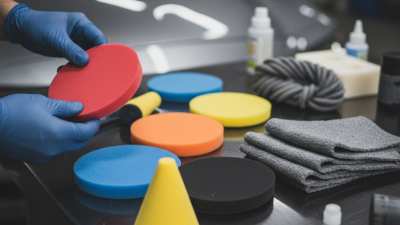
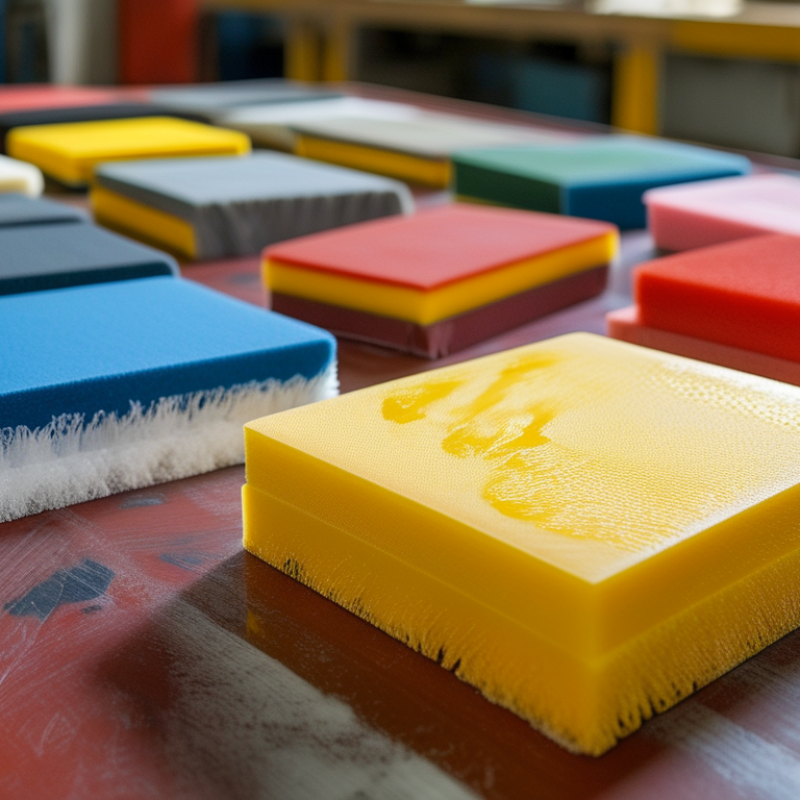
Different types of polishing pads serve various purposes. Some are soft and flexible, suitable for intricate shapes and curves. Others are hard for flat surfaces, providing a more aggressive finish. Selecting the right pad is vital for optimal results. Improper pad choice can lead to uneven surfaces or even damage to the material being polished.
Experience reveals that the cleaning and maintenance of polishing pads are just as important. Dirty or worn pads can diminish performance and compromise the quality of the finish. Regular inspection and cleaning are necessary practices. The longevity of pads also raises questions about sustainability in surface finishing. As technology evolves, addressing these issues becomes more crucial for professionals in the field.
Impact of Polishing Pads on Surface Finishing Process
Types of Polishing Pads and Their Specific Applications
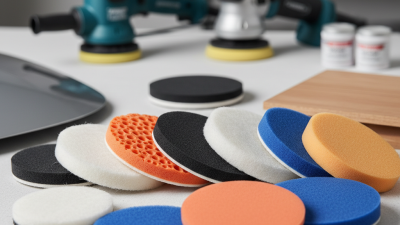
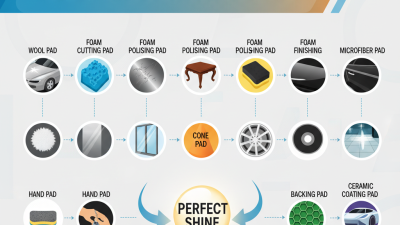
Polishing pads play a crucial role in surface finishing. They come in various types, each designed for specific tasks. Foam pads are commonly used for their versatility. They excel in applying polishes and compounds effectively. Wool pads, on the other hand, are perfect for heavy cutting and removing imperfections. Their abrasive nature makes them suitable for tough surfaces.
More niche options exist, such as microfiber pads. These are ideal for achieving a high-gloss finish on delicate surfaces. They are gentle yet effective, reducing the risk of marring. There are also felt pads, which are often used in industrial applications. They offer durability and are useful for fine polishing.
Understanding these variations can guide users in choosing the right pad for their project. However, many overlook the importance of compatibility. Not all pads work well with every polishing compound. This mismatch can lead to unsatisfactory results. It’s essential to experiment and reflect on the outcomes to improve technique. Adapting to specific needs and methods improves efficiency and quality in surface finishing tasks.
How Polishing Pads Enhance Surface Quality and Aesthetics
Polishing pads play a vital role in enhancing surface quality and aesthetics. They are the unsung heroes in the realm of surface finishing. Using the right polishing pad can make a substantial difference. These pads can improve gloss levels and create a smoother finish. They cater to various materials, from metals to plastics.
The texture of polishing pads impacts the final appearance significantly. A finer pad often leads to a reflective, glass-like surface. Conversely, coarser pads can be effective for initial material removal. Choosing the appropriate pad is crucial, yet many overlook this detail. The type of compound used alongside the pad also matters.
However, perfection is challenging to achieve. Surface imperfections may remain despite the best efforts. Certain materials may also react unpredictably during polishing. These challenges highlight the need for continuous learning and experimentation. Each project can teach valuable lessons in achieving the desired finish. Embracing these imperfections can lead to improved techniques in future endeavors.
Factors Influencing the Effectiveness of Polishing Pads
Polishing pads play a crucial role in surface finishing, but their effectiveness can fluctuate significantly. Several factors influence how well they perform. One key factor is the material composition of the pad. Different materials can affect friction and heat generation during polishing. A pad that’s too rigid may scratch softer surfaces, while one that is too soft may not effectively remove scratches. It’s vital to select the right material for the job.
Another important aspect is the speed and pressure applied during polishing. Using too much pressure can lead to uneven finishes. It can also cause excessive wear on the pad. Conversely, insufficient pressure may not allow the pad to operate effectively. A careful balance is needed, which often requires practice and experience.
Polishing techniques vary and can lead to different results, giving significant room for improvement.
Environmental conditions play a role, too. Humidity and temperature can affect the pad's performance and life span. For example, higher humidity can cause pads to absorb moisture, which may alter their intended use. Reflecting on these factors helps professionals improve their processes. Experimentation and careful observation are essential for mastering the art of surface finishing. Each polishing project becomes a learning opportunity, encouraging continual growth and refinement.
Maintenance and Care of Polishing Pads for Optimal Performance
Caring for polishing pads is crucial for their longevity and effectiveness. Regular maintenance ensures optimal performance during surface finishing tasks. Start by cleaning the pads after each use. Residue buildup can hinder their ability to produce a smooth, polished finish. Rinse pads with clean water and air dry them thoroughly.
Store polishing pads in a cool, dry place away from direct sunlight. Extreme heat can degrade the materials, affecting their performance. Inspect the pads for signs of wear after multiple uses. If you notice frayed edges or lost texture, it may be time to replace them. A worn pad may not produce the desired results, which can lead to frustration and wasted effort.
Consider recording your maintenance routine. Keeping track can help you identify patterns in pad wear. Reflect on the frequency of use and the types of surfaces being polished. Understanding these factors will help optimize pad longevity. Engaging in this reflective practice can improve your overall surface finishing results over time.