2026 How to Choose the Right Polishing Pads for Your Needs?
Polishing pads play a crucial role in achieving optimal surface finishes in various industries, including automotive, woodworking, and metalworking. According to recent industry reports, the global polishing pads market reached approximately $1.2 billion in 2022. This figure demonstrates a growing demand for high-quality polishing solutions. Choosing the right polishing pad can significantly impact the efficiency and effectiveness of your polishing process, ultimately influencing the final product quality.
Understanding the different types of polishing pads available is essential. For example, foam pads are ideal for light polishing, while microfiber pads serve for heavier applications. Each material offers unique benefits and challenges. An informed choice will depend on specific requirements, such as surface material and desired finish. Experts emphasize the significance of matching pad density and grit to the job at hand. However, without careful consideration, users may end up with suboptimal results, leading to wasted time and resources.
The landscape of polishing technology is continually evolving. As new materials and techniques emerge, staying updated is vital for professionals. Some newer pads promise enhanced durability and better performance, but the right choice remains complex. It’s an ongoing process of learning and refinement. An essential takeaway is that investing time in research can lead to improved outcomes and long-term benefits.
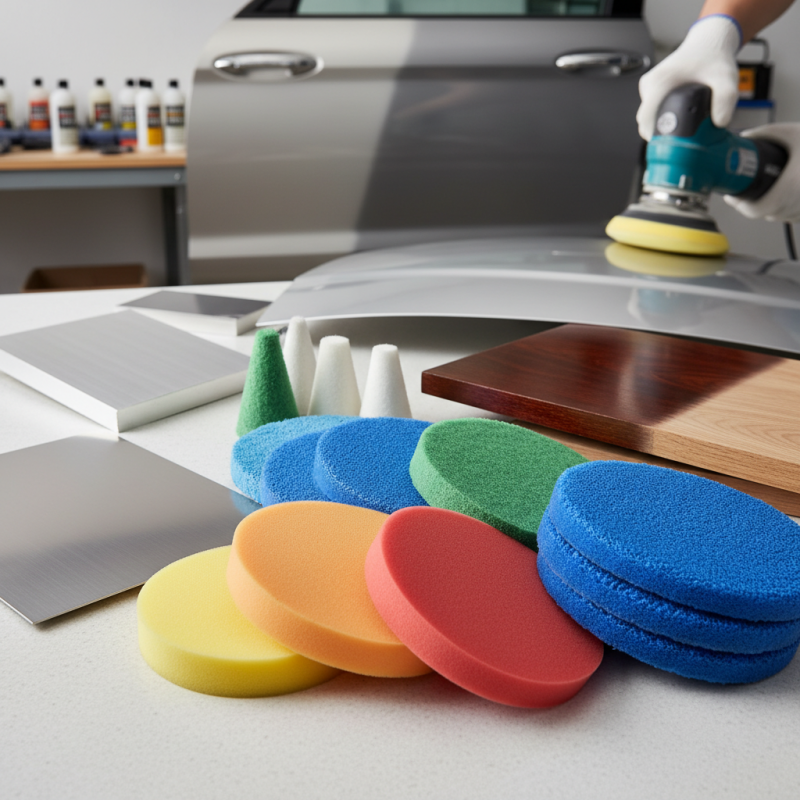
Understanding the Different Types of Polishing Pads Available
When choosing polishing pads, it’s vital to understand their types. Various materials affect performance and application.
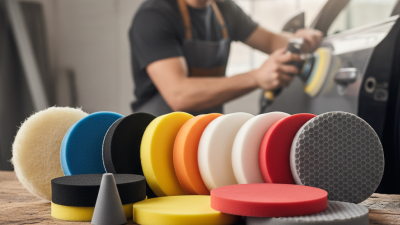
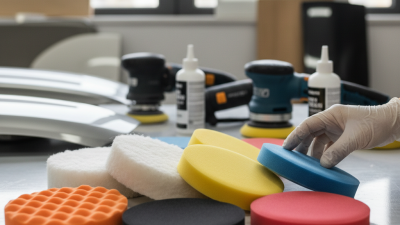
Foam pads provide softness and versatility. They are great for wax applications or light polishing.
Wool pads are more aggressive. Use them for heavy cutting jobs, particularly on oxidized surfaces.
Additionally, microfiber pads combine benefits of both, suitable for polishing and finishing.
Industry data indicates that proper pad selection can enhance polishing effectiveness by up to 30%. This is crucial for ensuring a flawless finish on surfaces.
It’s essential to pair the right pad with the appropriate compound to achieve optimal results. A mismatch can lead to subpar performance and surface damage.
Tip: Always test a pad on a small area first. This prevents potential issues and helps you adjust based on the material's response.
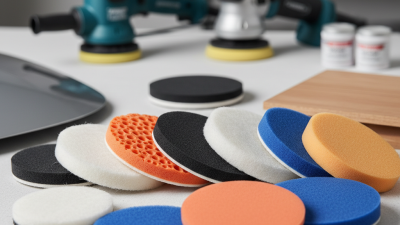
Another important consideration is the pad's density. Denser pads offer more cutting power but can leave swirl marks
if not used correctly. Learning the nuances of your tools takes time and patience.
Don’t rush the process; polish effectively and consistently for the best outcomes.
Factors to Consider When Choosing Polishing Pads
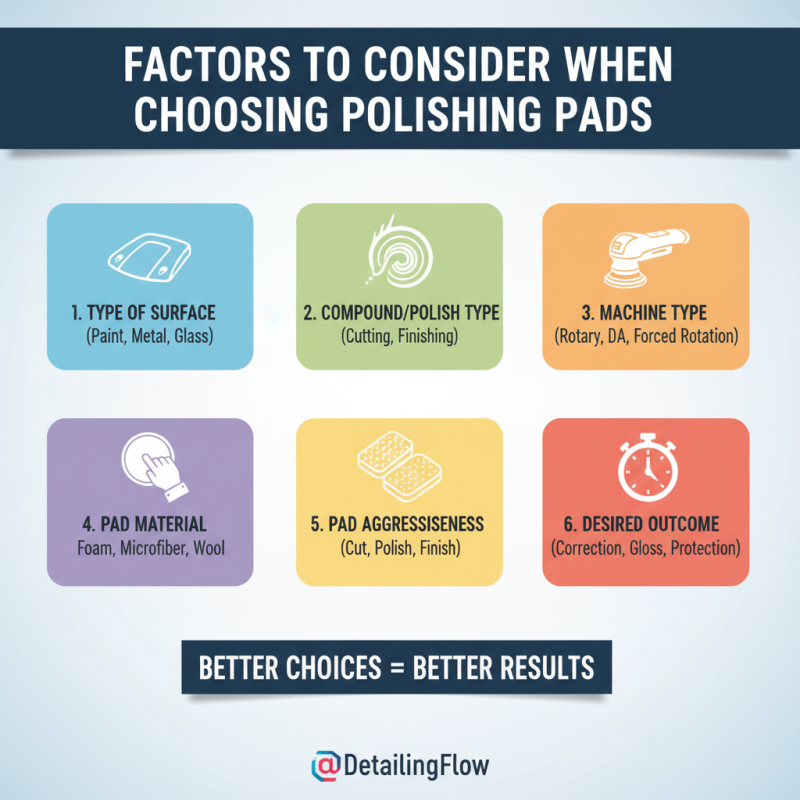
Choosing the right polishing pads can be confusing. Various factors influence your decision. Understanding these can lead to better outcomes.
First, consider the material of the pad. Different materials serve different purposes. Foam pads are softer and ideal for delicate finishes. Wool pads are more aggressive and perfect for heavy cutting. The texture matters too. A smooth surface pad creates a finer finish, while a more abrasive pad removes material faster.
Next, think about the size of the pad. Larger pads cover more area quickly, but smaller pads allow for precision. If you're working on intricate designs, a smaller pad would serve better. Observe your project needs. Reflect on your experience with different pads. Some may perform better than expected, while others may fall short. Balancing these elements is key to achieving the desired finish.
Assessing Your Surface Material and Its Requirements
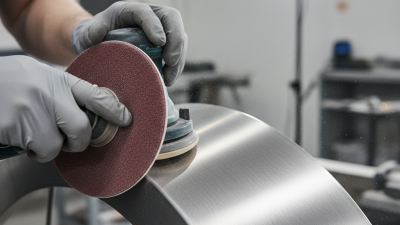
Choosing the right polishing pads requires a clear understanding of your surface material. Different materials have unique requirements that affect their finish. For instance, hardwood floors demand softer pads for effective polishing. Conversely, concrete surfaces might benefit from more abrasive pads. Research indicates that using the wrong pad can lead to surface damage and inadequate polishing results.
When assessing your surface requirements, consider the pad material. Foam pads are versatile and widely used. They work well with most finishes but may not suit all needs. Wool pads can provide a high shine, particularly on harder surfaces. According to industry data, using the right pad increases efficiency by over 30%.
Tips: Always test a small area first. It helps gauge the pad's effectiveness without risking larger damage. Pay attention to the surface's condition before deciding. If your surface has scratches, a more aggressive pad may be necessary. Remember, selecting the wrong pad won't give the desired outcome. Refining your choice can lead to better results.
Evaluating Pad Hardness and Density for Optimal Results
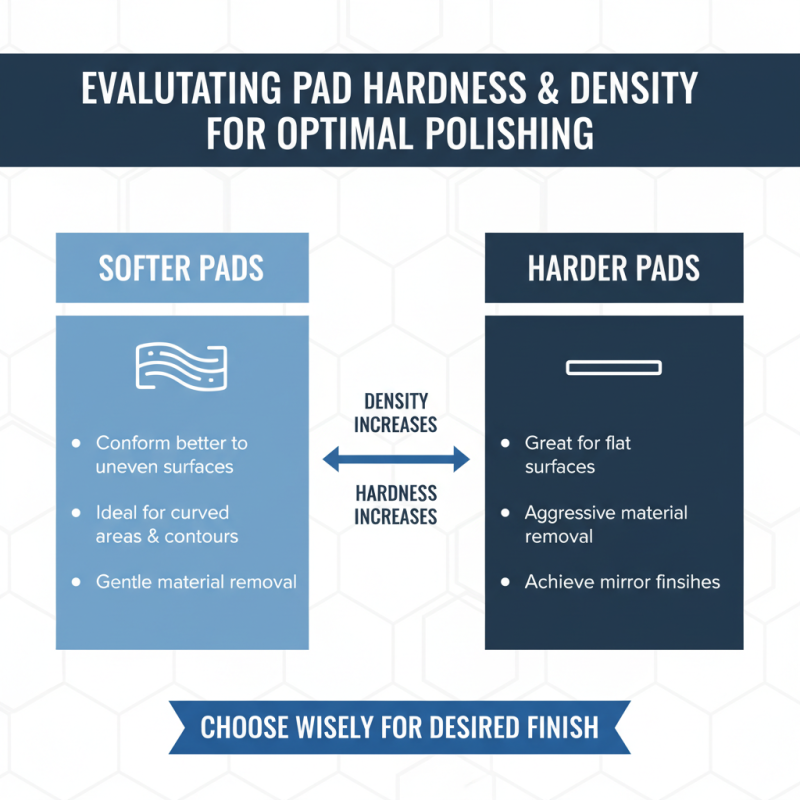
When choosing polishing pads, understanding pad hardness and density is crucial. Hardness affects how the pad behaves against surfaces. Softer pads conform better, allowing for easier work on curved or uneven areas. Meanwhile, harder pads are great for flat surfaces and aggressive material removal. Selecting the right hardness is vital for achieving your desired finish.
Density also plays a significant role. High-density pads offer durability and consistent performance, while lower-density pads provide a gentler touch. The right balance in density can lead to a more effective polishing process. However, it’s essential to experiment to find what works best for your specific surface materials.
Many users make the mistake of choosing pads based on intuition alone. A lack of understanding about hardness and density can lead to unsatisfactory results. It's important to reflect on your previous experiences and adjust your choices accordingly. Polishing is not just about the tools; it's about how well you understand them. This understanding is built on experience and practice, ensuring optimal results in every project.
Maintenance Tips for Prolonging the Life of Polishing Pads
Taking care of your polishing pads can greatly extend their lifespan. Regular maintenance is essential for optimal performance. After each use, clean the pads thoroughly to remove dust and residue. This prevents clogging and ensures even results on your surfaces. If they accumulate debris, the pads will wear out faster.
When storing polishing pads, keep them in a cool, dry place. High temperatures can damage the materials. It's also a good idea to keep them flat. Storing them stacked may lead to deformation. Regular inspections can help identify signs of wear early. Small cracks or fraying edges can indicate it's time for a replacement.
Pay attention to the type of surfaces you are polishing. Different materials may require different pads. This consideration can affect the longevity of your pads. Mixing incompatible materials might lead to quicker degradation. Remember, maintaining your pads isn't just about cleaning; it's about ensuring they are suited for every job you undertake.
2026 How to Choose the Right Polishing Pads for Your Needs?
| Pad Type |
Material |
Use Case |
Durability (Hours) |
Recommended RPM |
| Foam Polishing Pad |
Polyurethane |
Finishing |
20-30 |
1500-2500 |
| Wool Polishing Pad |
Natural Wool |
Compounding |
15-25 |
1200-2000 |
| Microfiber Polishing Pad |
Microfiber |
Sealing |
25-35 |
1000-1500 |
| Sponge Polishing Pad |
Polyester |
General Use |
18-28 |
1300-2200 |