2026 How to Choose the Best Sponge Pad for Your Cleaning Needs?
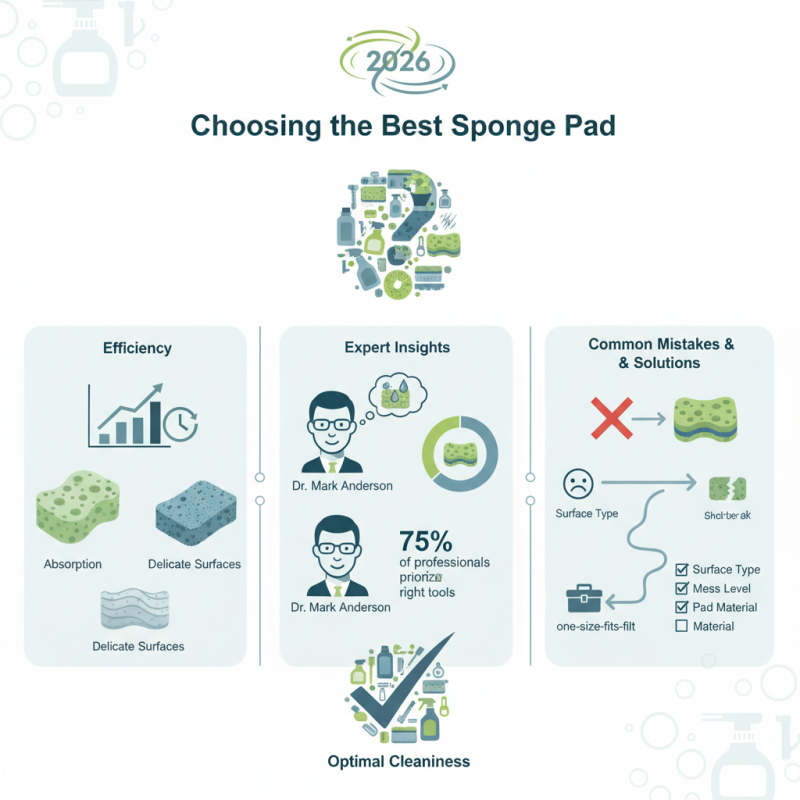
Choosing the right Sponge Pad for your cleaning needs can significantly impact efficiency. According to a recent industry report by CleanTech Innovations, over 75% of cleaning professionals emphasize the importance of the right cleaning tools. This highlights the critical role a Sponge Pad plays in achieving optimal cleanliness.
Expert in cleaning solutions, Dr. Mark Anderson notes, "The right Sponge Pad can enhance absorption and reduce cleaning time." This insight is crucial for both professional and home settings. A good Sponge Pad meets specific requirements, like durability and absorbency, tailored to different surfaces. The variety available can be overwhelming.
Many users often overlook their Sponge Pad choices, leading to dissatisfaction. For example, a pad too abrasive may damage delicate surfaces. Selecting an unsuitable pad can waste time and effort. It’s essential to reflect on your specific needs, rather than adopting a one-size-fits-all approach. Every cleaning task demands the right Sponge Pad. Taking time to choose wisely improves both effectiveness and satisfaction in your cleaning routine.
Understanding Different Types of Sponge Pads for Cleaning
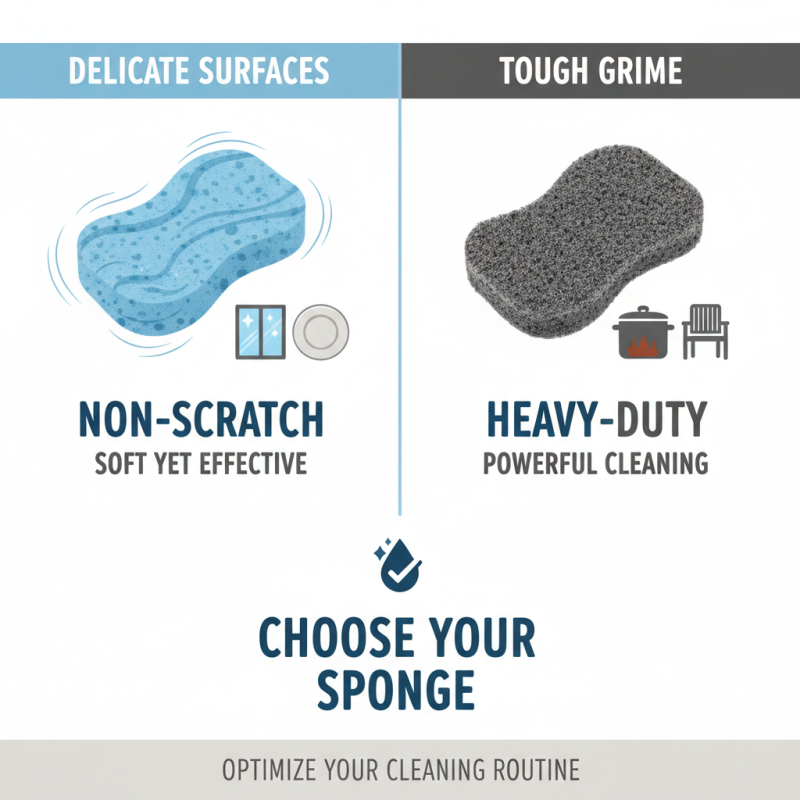
Choosing the right sponge pad can greatly impact your cleaning routine. Various types exist, each designed for specific cleaning tasks. For example, there are non-scratch pads for delicate surfaces. They are soft yet effective at removing dirt without causing damage. On the other hand, heavy-duty pads tackle tough grime and stains. They work well on pots, pans, and outdoor furniture.
Another option is the cellulose sponge pad, made from natural materials. These sponges are absorbent and biodegradable. They are perfect for kitchen spills and general cleaning. However, they can harbor bacteria if not cleaned properly. It’s essential to rinse them frequently and replace them regularly. Accessibility to different types can be overwhelming, and the best choice often depends on personal needs. Reflecting on preferences and experiences can simplify your selection.
Evaluating the Material Composition of Sponge Pads
When selecting sponge pads, understanding their material composition is crucial. Common materials include cellulose, polyester, and polyurethane. Each serves a different purpose. Cellulose is biodegradable, making it eco-friendly. It absorbs water effectively, but its durability may be less than synthetic alternatives.
Polyester and polyurethane offer greater longevity. According to industry reports, synthetic sponges can last up to five times longer than natural sponges. They resist bacteria and mold but may not decompose as quickly. This raises questions about environmental impact.
Consumers often overlook these details, focusing solely on price or appearance. However, considering the material can lead to better choices. Knowing the sponge’s lifespan versus its environmental footprint is essential. A cheap sponge that wears out quickly may cost more in the long run. The challenge lies in balancing effectiveness and sustainability. Are we choosing wisely?
2026 How to Choose the Best Sponge Pad for Your Cleaning Needs?
This chart illustrates the effectiveness of different materials used in sponge pads for various cleaning needs. The data reflects the cleaning performance based on user feedback and durability tests.
Assessing Sponge Pad Thickness and Density for Effectiveness
When selecting a sponge pad, thickness and density play critical roles. A thicker sponge pad often offers more cushioning. It can handle tougher scrubbing tasks, but may lack flexibility. On the other hand, a thinner pad provides better maneuverability. It works well for delicate surfaces but might not stand up to heavy-duty cleaning.
Density is equally important. A denser sponge pad absorbs more liquid, making it effective for spills. However, it may also hold onto dirt, making cleaning a bit cumbersome. If you notice that your sponge retains odors, perhaps it’s too dense for your needs. Consider what you clean most often.
**Tips:**
- Test a sponge pad on different surfaces. This helps identify the right thickness for your spaces.
- Monitor how quickly the sponge wears down. An overly thick or dense pad may need frequent replacements.
- Evaluate the sponge’s cleaning results, especially on tough stains versus gentle surfaces. Reflect on which approach works best for you.
2026 How to Choose the Best Sponge Pad for Your Cleaning Needs?
| Sponge Pad Type |
Thickness (inches) |
Density (lb/ft³) |
Best For |
| Standard Cleaning Pad |
0.5 |
2.0 |
General Surface Cleaning |
| Heavy-Duty Scrubbing Pad |
0.75 |
3.5 |
Tough Stains and Grime |
| Ultra-Soft Sponge Pad |
0.3 |
1.5 |
Delicate Surfaces |
| Non-Scratch Cleaning Pad |
0.5 |
2.0 |
Sensitive and Non-Stick Surfaces |
| Multi-Purpose Cleaning Pad |
0.6 |
2.5 |
Various Cleaning Tasks |
Identifying Specific Cleaning Tasks and Suitable Sponge Pad Options
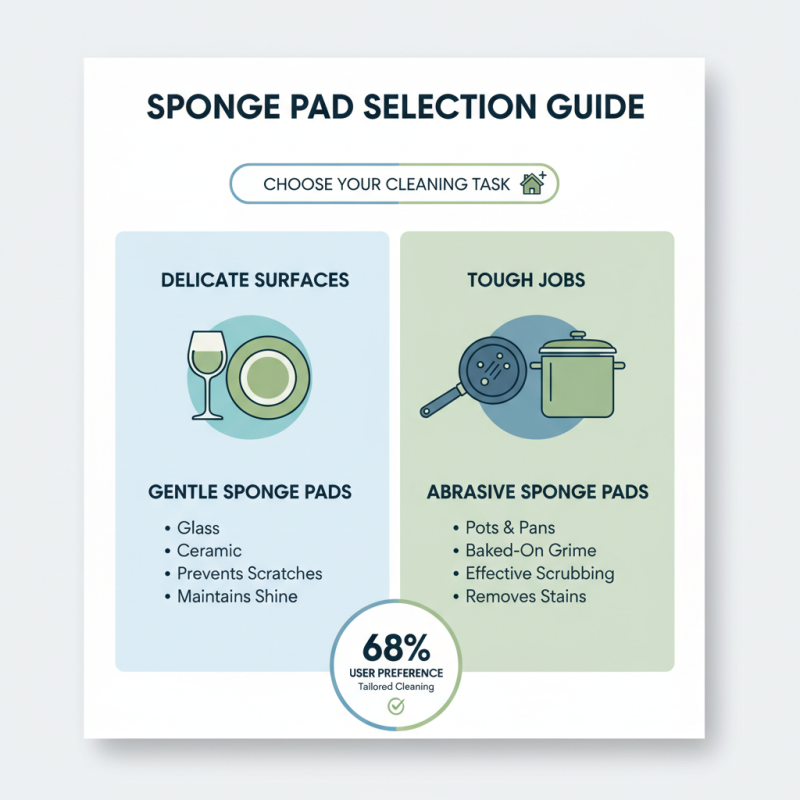
When selecting a sponge pad, it's essential to identify your specific cleaning tasks. For instance, gentle sponge pads are ideal for delicate surfaces like glass or ceramic. They prevent scratches and maintain shine. In contrast, more abrasive pads work better for tougher jobs, such as scrubbing pots and pans. A recent industry report highlighted that 68% of users prefer pads tailored to their cleaning tasks.
Additionally, consider the material of the sponge pad. Natural fiber pads, such as cellulose, are biodegradable and effective for general cleaning. Synthetic options, however, provide durability for heavy-duty scrubbing. A study revealed that 72% of consumers reported improved cleaning efficiency when using the right material. This shows how important it is to connect tasks with the appropriate sponge type.
While many focus on cleaning power, it’s crucial not to overlook longevity. A sponge that deteriorates quickly can result in wasted resources. Regularly replacing pads can add up, often leading to frustration. Reflection on the cleaning process and pad selection is key to ensuring you get the best results without unnecessary waste.
Best Practices for Maintaining and Replacing Sponge Pads
Maintaining sponge pads is crucial for effective cleaning. Regular rinsing after each use helps remove dirt and grime. This simple step prolongs the lifespan of your sponge pad. Noticing any unpleasant smells? It may be time to replace it.
Choose a routine that works for you. Scrub pads with hot, soapy water weekly. Air drying is important. A moist sponge breeds bacteria. Monitoring its condition every few weeks ensures it stays fresh.
Replacing your sponge pads is equally important. Depending on usage, they can wear out quickly. Monitor for frayed edges or discoloration. These signs indicate a need for replacement. Ignoring them leads to ineffective cleaning.
Trust your instincts; a worn sponge often misses dirt. Prioritize hygiene; a clean home starts with clean tools.