How to Brush Your Teeth Effectively for Optimal Oral Health?
Maintaining optimal oral health requires effective brushing techniques. Many people underestimate the importance of how to brush properly. Brushing isn’t just about moving the toothbrush back and forth. It involves a careful approach to reach every corner of your mouth. Proper technique can significantly reduce cavities and gum disease.
Common mistakes can hinder your efforts. For instance, brushing too hard can damage your gums. Many forget to replace their toothbrush regularly. This can lead to ineffective cleaning and potential mouth infections. It’s not enough to just brush; you must brush smartly. Knowing the right angles and strokes is crucial.
A reliable guideline is to brush for at least two minutes, focusing on each quadrant of your mouth. Use fluoride toothpaste for maximum benefits. Small details matter in dental care. Develop a routine, but don’t fall into a monotonous pattern. Each session should feel purposeful. Reflect on your habits and adjust as necessary for better results.
Understanding the Importance of Effective Tooth Brushing
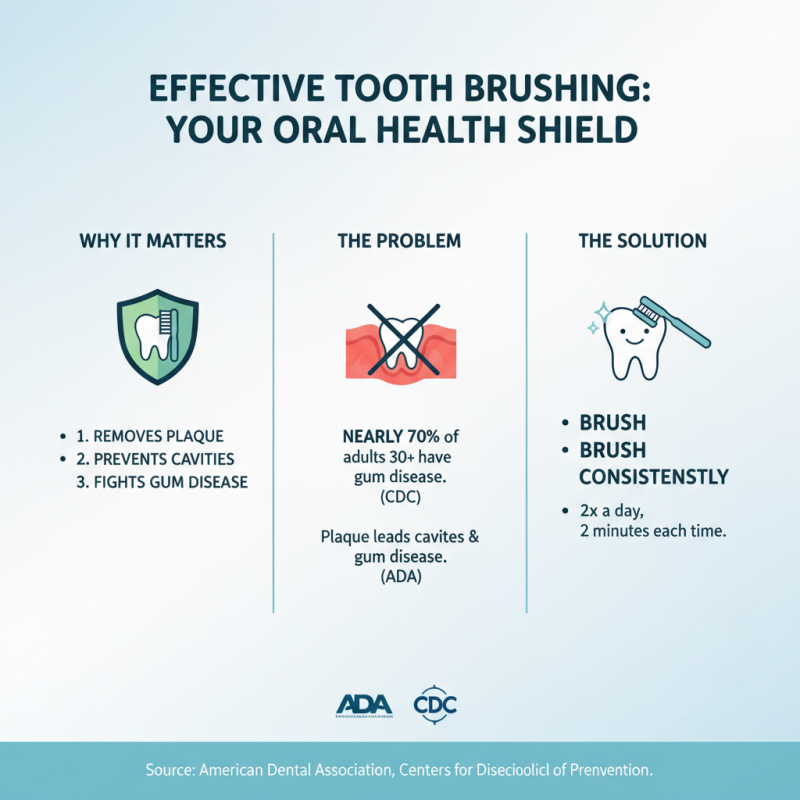
Effective tooth brushing is essential for maintaining optimal oral health. According to the American Dental Association, brushing your teeth removes plaque, which contributes to cavities and gum disease. A report by the Centers for Disease Control and Prevention states that nearly 70% of adults aged 30 and older have some form of gum disease. This highlights the importance of brushing correctly and consistently.
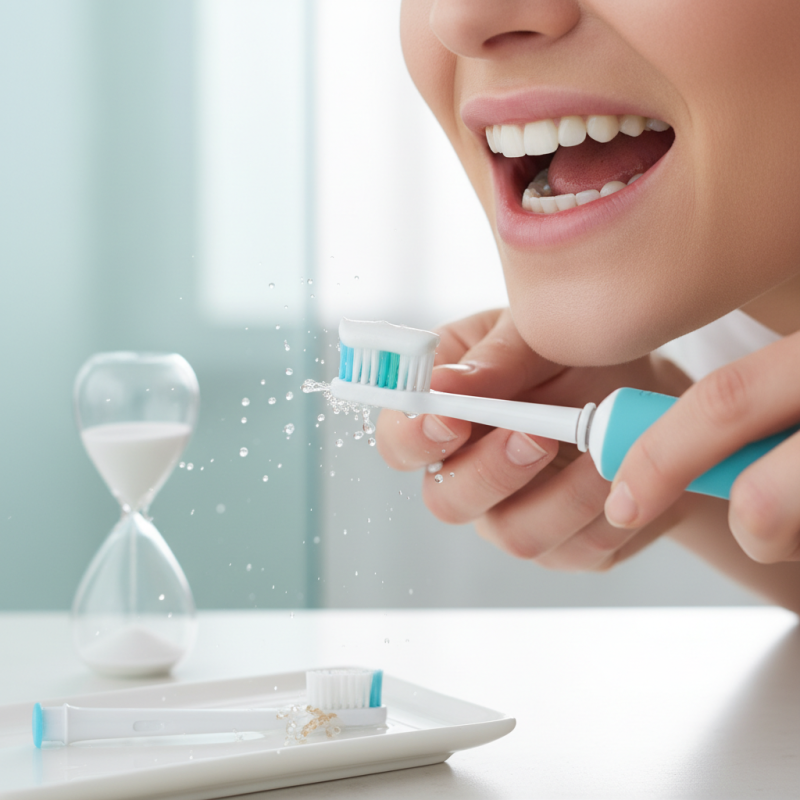
Understanding the mechanics of effective brushing is vital. It's recommended to brush for at least two minutes, ensuring all surfaces of your teeth are reached. Many people brush for less time. In fact, a study found that 4 out of 10 adults brush their teeth for under a minute. This insufficient duration compromises plaque removal, leading to oral health issues. Regularly replacing your toothbrush every three to four months is also crucial, as worn bristles do not clean effectively.
Despite the emphasis on proper technique, many people struggle to maintain a consistent routine. Stress or busy schedules can interfere with daily oral care. Reflecting on personal habits can lead to better outcomes. A thoughtful approach to tooth brushing is not just about motion; it's about commitment to your health. Improving your brushing habits can mitigate future dental problems.
Choosing the Right Toothbrush and Toothpaste for Your Needs
Choosing the right toothbrush and toothpaste is fundamental for effective oral health.
According to the American Dental Association,
soft-bristled toothbrushes are generally the best choice.
They are gentle on gums while effectively removing plaque and food particles.
Hard bristles might seem appealing, but they can cause gum recession and enamel wear over time.
Regularly replacing your toothbrush every three to four months is necessary for optimum performance.
When it comes to toothpaste, identifying your specific needs is essential.
The Centers for Disease Control and Prevention (CDC) recommends
fluoride toothpaste as it helps prevent cavities.
For individuals with sensitive teeth, desensitizing toothpaste can provide relief.
Those seeking whiter teeth might opt for whitening toothpaste,
but it is important to use them as directed.
Overuse can lead to increased tooth sensitivity and gum irritation.
Choosing the right tools is not a one-size-fits-all approach.
Many people often overlook the importance of their toothbrush type or the active ingredients in their toothpaste.
This lack of awareness can lead to ineffective brushing routines.
Consider consulting with your dentist.
They can provide personalized recommendations based on your oral health needs.
Evaluation of one's habits and choices is vital for achieving optimal results.
Mastering Proper Brushing Techniques for Maximum Cleanliness
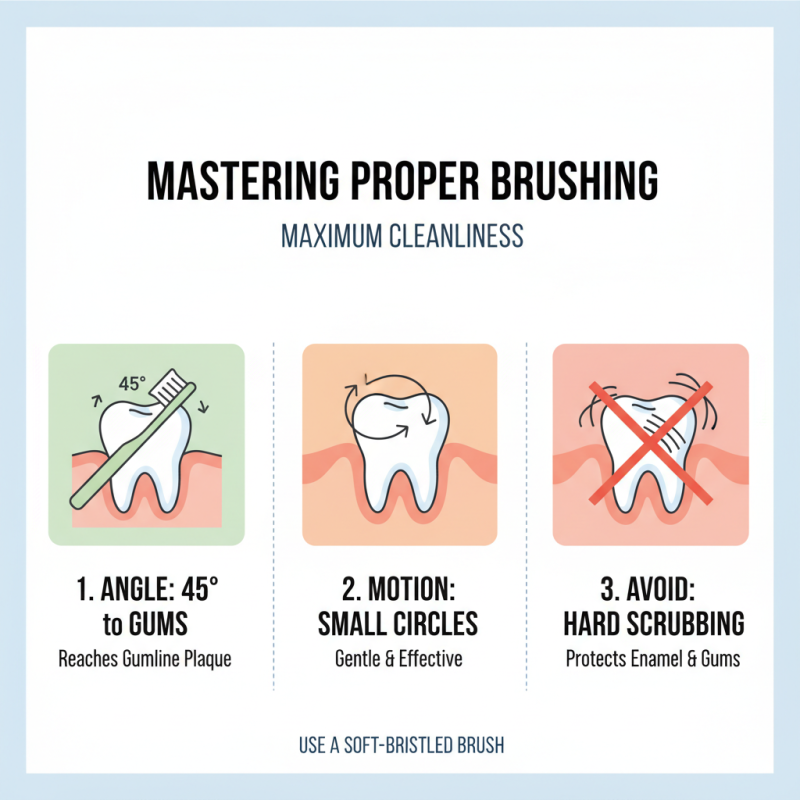
Brushing your teeth effectively involves more than just the motion of brushing. Understanding proper techniques is key to achieving maximum cleanliness. Use a soft-bristled brush, positioning it at a 45-degree angle to your gums. This angle allows the bristles to reach the plaque hiding at the gum line. Small, circular motions are best. Avoid aggressive scrubbing; it can wear down enamel and irritate gums.
Take your time. Spend at least two minutes brushing. Divide your mouth into four sections and dedicate 30 seconds to each. Don't forget your tongue. Bacteria accumulate there too. It’s easy to overlook, yet vital for fresh breath. Many people rush or skip areas, leading to tartar build-up.
Consider the toothpaste you use. A fluoride formula strengthens enamel but doesn’t replace proper brushing. It’s common to feel tired or distracted while brushing, which can lead to poor technique. Reflect on your routine. Are you truly cleaning all surfaces of your teeth? Regularly assess your method to ensure effective brushing. The goal of cleanliness is attainable with mindfulness and practice.
Establishing a Consistent Tooth Brushing Routine
Establishing a consistent tooth brushing routine is crucial for maintaining optimal oral health. The American Dental Association recommends brushing twice daily for at least two minutes each time. Many people, however, fall short of this guideline. A study published in the Journal of Dental Research indicated that only 30% of adults brush their teeth for the recommended duration. This gap highlights the need for improved education and habits in oral hygiene.
Choosing the right tools can enhance the brushing experience. Soft-bristled toothbrushes are preferred, as they are gentle on the gums. A survey by the Centers for Disease Control and Prevention revealed that about 20% of people still use hard-bristled brushes, which can cause gum recession and enamel wear. Electric toothbrushes offer consistent brushing pressure, making them a valuable option for effective cleaning.
Additionally, timing matters. Many people brush quickly, missing spots that need attention. Research shows that inadequate brushing can lead to plaque buildup, promoting cavities. Over time, this negligence contributes to serious issues like gum disease. Regular dental check-ups can catch these problems early. However, an effective routine begins at home. Fostering good habits can lead to healthier outcomes and a brighter smile. Reflecting on personal brushing habits may reveal areas for improvement.
How to Brush Your Teeth Effectively for Optimal Oral Health? - Establishing a Consistent Tooth Brushing Routine
| Tooth Brushing Technique |
Frequency |
Duration |
Recommended Tools |
Benefits |
| Circular Motion |
Twice Daily |
2 Minutes |
Soft-bristled toothbrush |
Reduces plaque, gentle on gums |
| Bass Technique |
Twice Daily |
2 Minutes |
Electric toothbrush |
Effective for gum health |
| Fones Technique |
Twice Daily |
2 Minutes |
Interdental brushes |
Cleans larger areas quickly |
| Scrubbing Motion |
Once Daily |
1-2 Minutes |
Manual toothbrush |
Quick removal of debris |
Common Mistakes to Avoid for Better Oral Hygiene During Brushing
Brushing your teeth may seem simple, but many make costly mistakes. According to the American Dental Association, nearly 70% of people aren't brushing effectively. One common error is brushing too hard. This can lead to gum recession and enamel wear. Gentle, circular motions are recommended instead. Most toothbrush manufacturers suggest a soft-bristled brush for optimal safety.
Timing is also crucial. People often brush for less than two minutes, while studies show that 60 seconds is insufficient for complete plaque removal. Additionally, neglecting hard-to-reach areas, like the back molars or the gum line, can leave behind harmful bacteria. A thorough approach is key to preventing cavities and gum disease.
Skipping flossing before brushing is another frequent oversight. Flossing removes debris between teeth, making brushing more effective. Research indicates that using both methods together can significantly decrease the risk of dental issues. Consistency matters, so developing a daily routine can enhance your oral hygiene. Reflect on your brushing habits and consider whether you're truly giving your teeth the care they need.