What is a Dry Diamond Polishing Pad and How Does It Work?
The "Dry Diamond Polishing Pad" is a revolutionary tool used in various industries. It excels in providing a high-gloss finish to hard surfaces like concrete and stone. Unlike traditional pads, it works without water, making it a preferred choice for many professionals.
Many workers appreciate its efficiency and effectiveness. However, some may find it challenging initially. The dry technique can lead to faster results, but users must be careful to avoid over-polishing. Precision is essential. An improper technique can result in uneven surfaces or scratches.
Additionally, this pad's innovation aligns with the advances in manufacturing showcased at events, such as the 2026 Canton Fair. As technology evolves, integrating AI into the process helps refine the selection of tools like the dry polishing pad. While these advancements are promising, not all users may adapt quickly. Continuous learning and practice are key to mastering the use of this pad in your projects.
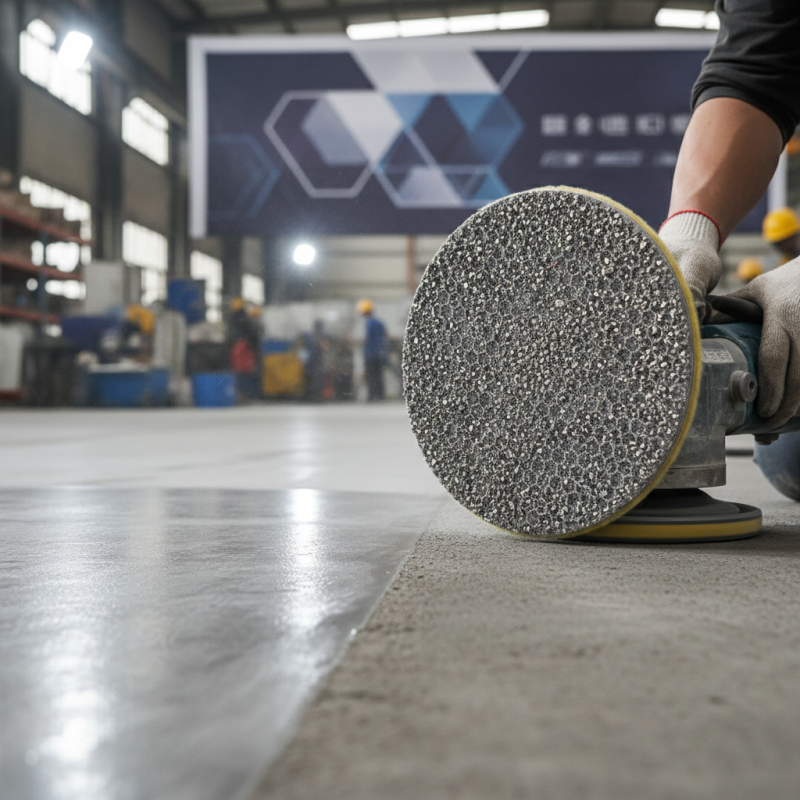
What is a Dry Diamond Polishing Pad?
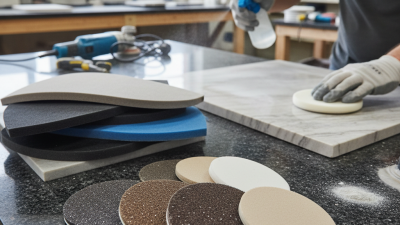
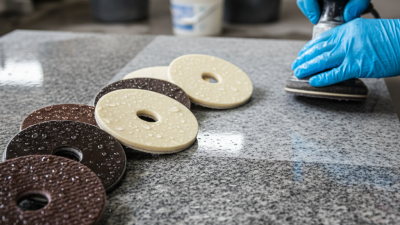
A dry diamond polishing pad is a specialized tool used for polishing various surfaces, particularly stone, concrete, and ceramics. Unlike traditional pads, these do not require water or any lubricants during the polishing process. This feature makes them ideal for quick touch-ups and jobs in areas where water use is impractical. The pad is embedded with diamond particles, providing a high level of abrasiveness.
When using a dry diamond polishing pad, it is essential to apply it with consistent pressure to achieve the best results. The dry application can create some dust, which requires careful handling. The technique might also seem intuitive, but achieving a smooth finish often takes practice. Remember to start with a lower grit pad and gradually move to finer grits.
Nevertheless, users might find uneven surfaces challenging. Air bubbles can form, interrupting the polishing process. In such cases, reflection upon technique and pressure applied can lead to better outcomes. Experimenting with different speeds can also yield valuable insights.
The Composition and Structure of Dry Diamond Polishing Pads
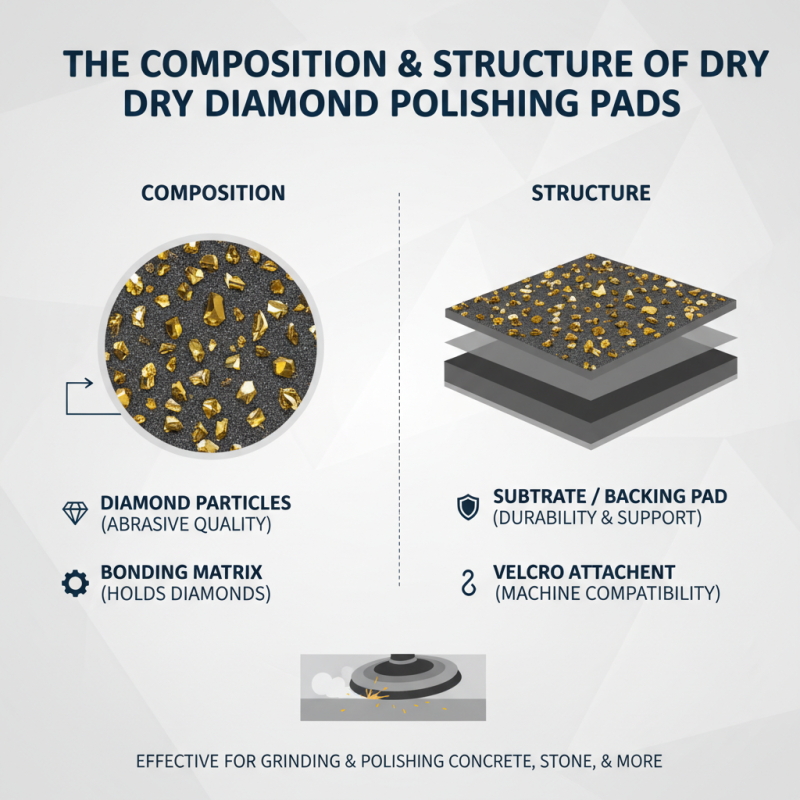
Dry diamond polishing pads are vital tools in the world of surface finishing. The composition of these pads primarily features diamond particles bonded to a substrate. This structure allows them to effectively grind and polish surfaces like concrete and stone. The diamonds provide the abrasive quality, while the pad’s backing ensures durability.
The structure often consists of several layers. The top layer houses the diamond grit, while the lower layers offer support and flexibility. This combination lets the pads shape surfaces precisely. Sometimes, the grit can wear unevenly, leading to non-uniform results. It's essential to monitor the wear to maintain consistent output.
Tips: Always inspect your pads for damage before use. A compromised pad affects performance. When polishing, apply even pressure. Uneven pressure can cause unnecessary scratches. Lastly, keep your work area clean. Cleaning can prevent dust buildup that might interfere with the polishing process. This attention to detail is crucial for achieving professional results.
How Dry Diamond Polishing Pads Function in Surface Finishing
Dry diamond polishing pads are essential tools in surface finishing. They utilize diamond particles to create a smooth and polished surface on various materials, like concrete, granite, and marble. The pads are designed to work without water, making them convenient for dry applications. This makes them suitable for areas where moisture is not ideal. Users often appreciate their efficiency, but the technique requires some skill.
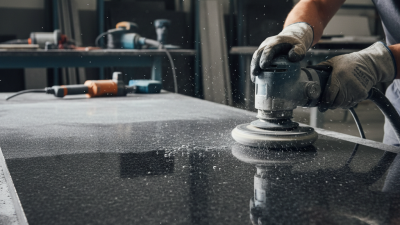
When using dry diamond polishing pads, the process involves several steps. First, preparing the surface is crucial. Dust and debris should be cleared away. Then, the pads are attached to a polishing machine or tool. Operating the tool on the surface needs a steady hand to avoid uneven results. Sometimes, the pads can generate heat, which might cause damage if not monitored. It's important to pause occasionally to let the surface cool down.
The diamond particles work through abrasion. They grind and refine the surface layer. Achieving a perfect finish can be challenging. Users might notice some areas remain dull or uneven. This requires going over those spots again. Observing the surface closely during the process often leads to better results. The journey of perfecting a surface with dry diamond pads is filled with learning experiences.
Common Applications of Dry Diamond Polishing Pads in Industry
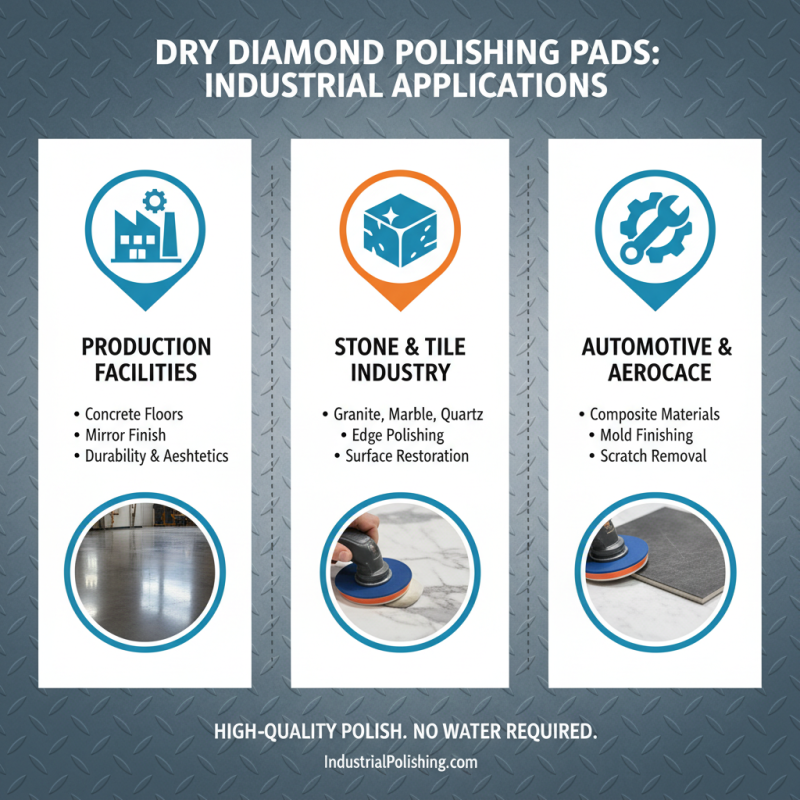
Dry diamond polishing pads are widely used in various industries. These pads are designed for maintaining and finishing surfaces. They provide a high-quality polish without the need for water or other liquids. In production facilities, they shine concrete floors to a mirror finish. This creates an appealing look while enhancing durability.
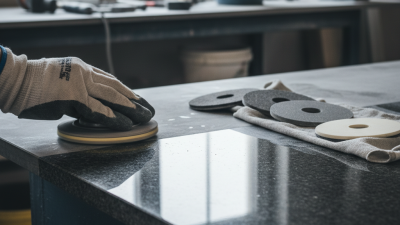
Stone fabricators utilize dry diamond pads for countertop finishing. The pads can remove scratches and imperfections effectively. The result is a smooth and polished surface that enhances the stone's natural beauty. Additionally, professionals often use these pads for marble and granite restoration. However, achieving a perfect finish is often a challenge. Uneven pressure may cause streaks or uneven gloss.
In construction, dry diamond polishing pads are essential for finishing work. They help in preparing surfaces for coatings or overlays. Despite their effectiveness, users must be careful. Incorrect usage can lead to damage or unwanted patterns. Regular practice and attention to detail are crucial for achieving the best results.
Benefits and Limitations of Using Dry Diamond Polishing Pads
Dry diamond polishing pads are tools used for finishing surfaces. They utilize diamond particles to achieve a smooth finish. These pads work effectively on various materials like concrete and stone. They are especially beneficial for quick, dry polishing tasks. However, their benefits come with a few limitations.
One of the main advantages of dry diamond polishing pads is efficiency. They require no extra water, making them easy to use. This is advantageous in tight or indoor spaces where water drainage can be a concern. However, the lack of water can lead to overheating. This can sometimes damage the surface or reduce the lifespan of the pad. Operators need to pay close attention to temperature and pressure.
Dry polishing pads also offer excellent versatility. They can be used on multiple surfaces, which makes them a popular choice for contractors. Yet, they may not deliver the same sheen that wet pads can achieve. The finish could appear duller, necessitating extra work to enhance the gloss. Users should consider their specific needs before deciding on the polishing method.
Benefits and Limitations of Using Dry Diamond Polishing Pads