What are Diamond Polishing Pads and How Do They Work?
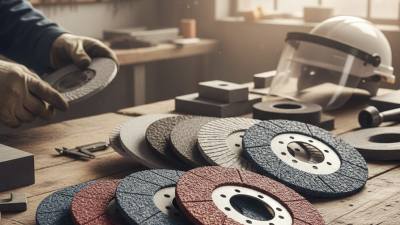
Diamond Polishing Pads are essential tools in the realm of surface finishing. They are designed for grinding, honing, and polishing various materials, including stone, concrete, and tiles. These pads contain diamond abrasives, which give them superior cutting power and durability.
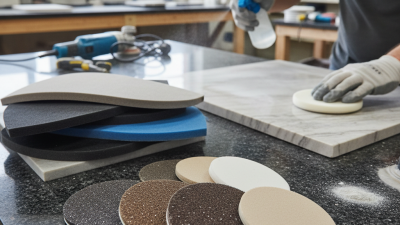
The unique structure of Diamond Polishing Pads enhances their effectiveness. They come in various grit levels, allowing for different stages of surface preparation. From rough grinding to fine polishing, these pads cater to different needs and preferences. Users can achieve a mirror-like finish on hard surfaces, making their work shine.
However, not all Diamond Polishing Pads are the same. The quality can vary significantly. Choosing the right pad requires careful consideration. Some may wear out too quickly, leading to frustration. It's crucial to reflect on your specific needs. The right choice can save time and effort, creating an impactful result.
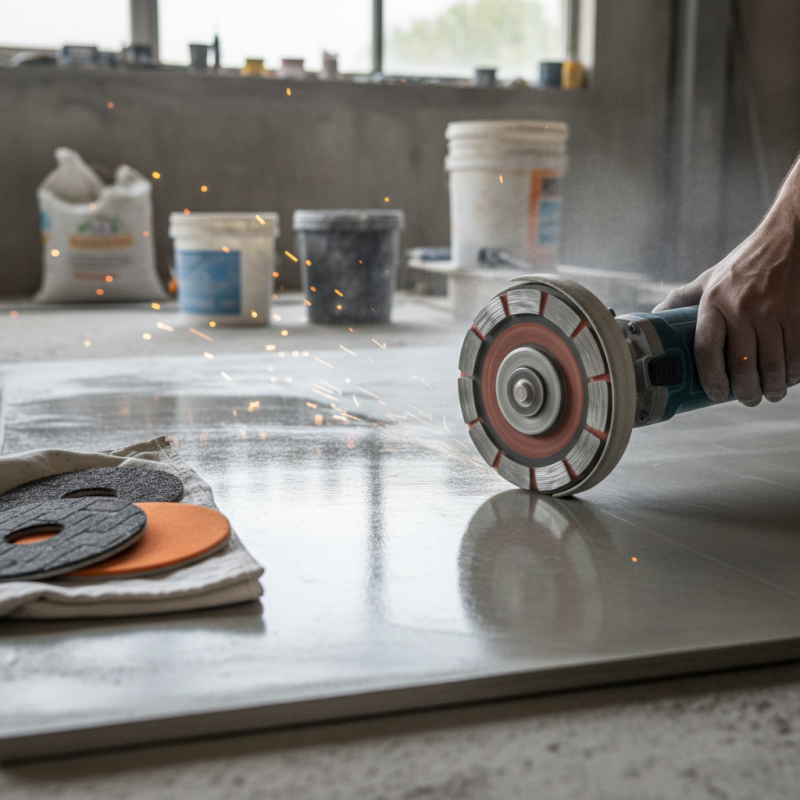
Understanding Diamond Polishing Pads: Composition and Structure
Diamond polishing pads are essential tools in many industries. Their composition and structure significantly impact their performance. Typically, these pads consist of a resin or metal matrix embedded with diamond particles. The diamonds are the hardest material known, making them extremely effective at grinding and polishing surfaces. Some industry reports reveal that diamond pads can enhance the polishing process by up to 50% compared to traditional methods.
Understanding the structure is crucial. The distribution of diamond grit affects the final finish. Finer grits provide a polished surface, while coarser grits are suitable for grinding away material. A study showed that pads with a uniform grit distribution achieve a higher gloss level. However, this uniformity can be inconsistent in some products, leading to uneven surfaces.
Tips for selecting diamond polishing pads: Always consider the material you will work on. Different surfaces require different types of pads. Test a small area first. This will ensure you choose the right grit and material. Remember, not all diamond pads perform equally. Inspect pads for any signs of wear or irregularities regularly. This can avoid costly mistakes down the line.
Types of Diamond Polishing Pads and Their Specific Applications
Diamond polishing pads are essential tools in various industries. They help achieve high-gloss finishes on surfaces like concrete, granite, and marble. Different types of pads serve specific purposes, making them versatile and effective.
There are several categories of diamond polishing pads. Dry pads are ideal for quick jobs with less water usage. They work well on concrete surfaces. Wet pads, on the other hand, are better for achieving a smooth finish with minimal dust. These pads require water to cool the surface and extend the pad’s lifespan. A 2023 report from the Concrete Polishing Association revealed that using wet pads can improve overall efficiency by 30%.
Specialized pads exist for different materials. For example, some pads are designed specifically for natural stone. Others work best with engineered surfaces. A 2022 industry survey indicated that 65% of contractors saw improved results when using the right type of pad. However, many professionals still face challenges in selecting the appropriate pad. Misunderstanding specifications can lead to poor results and wasted resources. Thus, a careful assessment of the job and the right pad type is crucial.
What are Diamond Polishing Pads and How Do They Work? - Types of Diamond Polishing Pads and Their Specific Applications
| Type of Diamond Polishing Pad |
Grit Size |
Application |
Material Compatibility |
| Wet Polishing Pads |
50-3000 |
Granite, Marble |
Natural Stones |
| Dry Polishing Pads |
50-3000 |
Concrete, Terrazzo |
Engineered Stones |
| Resin Bond Polishing Pads |
100-3000 |
Polishing and Finishing |
Marble, Engineered Stones |
| Metal Bond Polishing Pads |
30-100 |
Initial Grinding |
Concrete, Stone |
| Hybrid Polishing Pads |
100-3000 |
Final Polishing |
Various Materials |
The Mechanism of Abrasion: How Diamond Polishing Pads Work
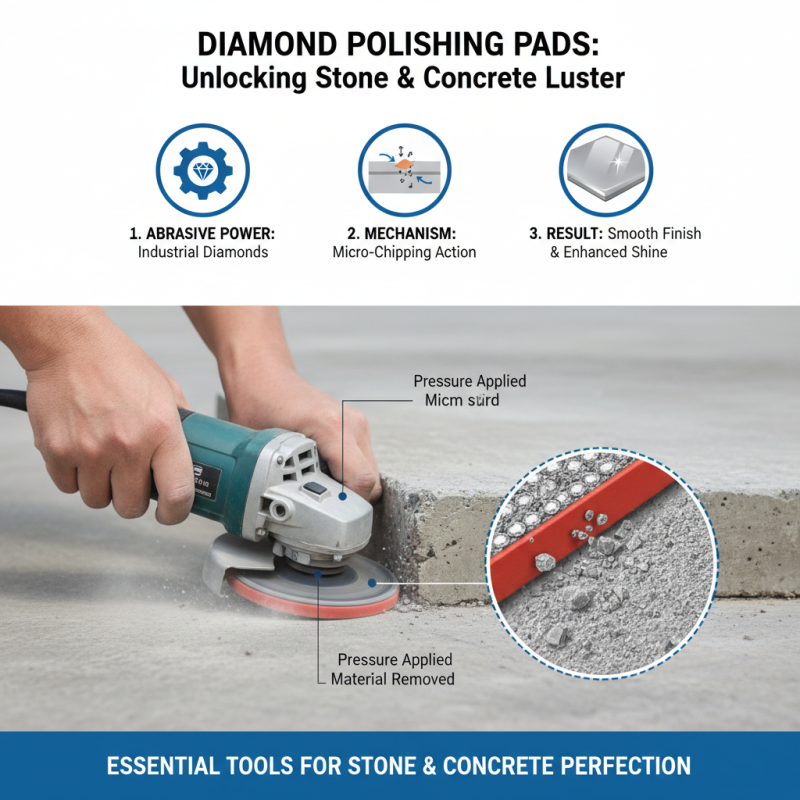
Diamond polishing pads are essential tools in the stone and concrete industry. These pads utilize diamond particles for their abrasive qualities. The mechanism of abrasion is fascinating. When you apply pressure to the surface being polished, the diamonds chip away tiny particles. This method creates a smooth finish while enhancing the material's luster.
Research from the Concrete Polishing Association indicates that diamond polishing can boost surface durability by up to 300%. This durability results from the unique structure of diamonds, which can withstand higher temperatures and pressure. As the pad rotates, the diamonds grind away imperfections. This action leads to a refined surface that reflects light beautifully.
**Tips:** Always start with a coarser pad for initial grinding. Gradually progress to finer pads for a polished finish. Using water during polishing can reduce dust and improve results, too. Be aware that not all stones respond equally to the pads. Some might require adjustments in technique or pressure. Experiment to find the right combination for the best outcome. If the surface doesn’t shine as expected, consider revisiting your technique or pad choice.
Industry Standards: Assessing the Quality of Diamond Polishing Pads
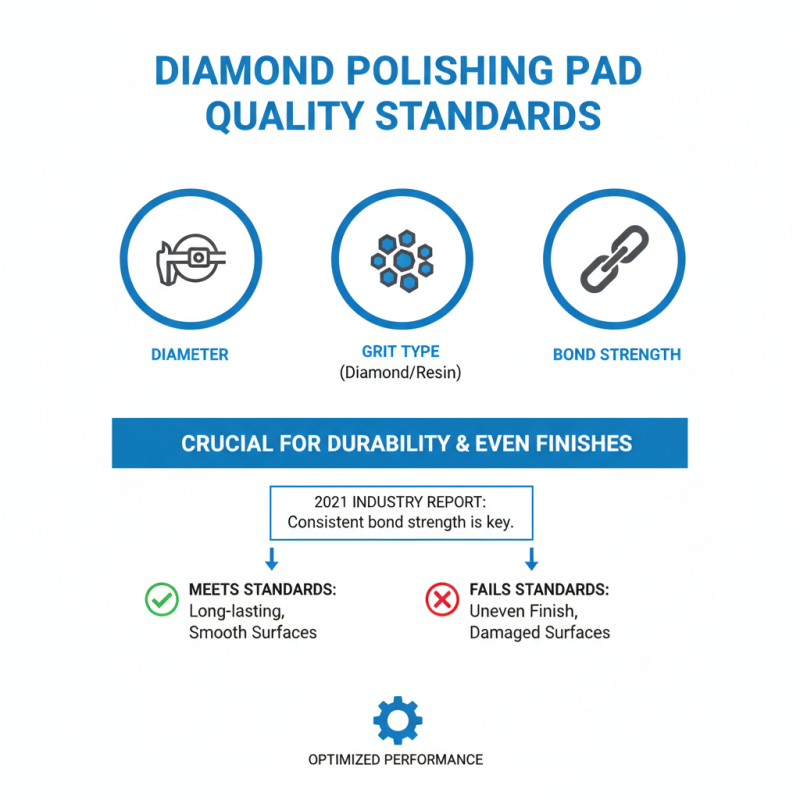
When assessing the quality of diamond polishing pads, several industry standards come into play. The diameter, grit type, and bond strength are essential metrics. According to a 2021 report, a consistent bond strength in pads is crucial. It affects durability and performance during usage. Pads that fail to meet these standards often lead to uneven finishes and damaged surfaces.
The grit type significantly influences polishing efficiency. A variety of grit levels is essential for different applications. For instance, lower grit numbers are ideal for rough surfaces, while higher grits provide a smooth finish. Misunderstanding this can result in wasted time and resources. In some cases, users reported relying on inappropriate grit, leading to subpar results.
Tips: Always assess the bond strength before purchasing. A strong bond ensures longevity, reducing the need for frequent replacements. Test a small area first to gauge the pad's effectiveness. This can save you from potential frustration and poor outcomes later. Pay attention to wear and tear; noticing signs early can prevent bigger issues down the line.
Best Practices for Using Diamond Polishing Pads Efficiently
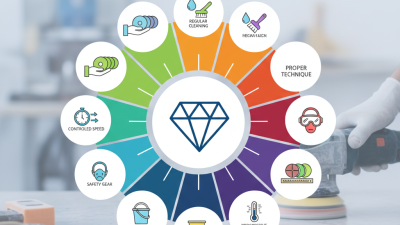
Diamond polishing pads are essential tools for achieving a refined finish on various stone surfaces. To use them efficiently, it's crucial to match the pad's grit to the material being polished. Begin with a coarser pad to remove imperfections, then gradually switch to finer grits. This step is vital; skipping grits can lead to unsatisfactory results. When polishing, consistent pressure is key. Too much pressure can wear out the pads quickly, while too little may not yield the desired shine.
Always keep the surface wet during polishing. Water will help cool the pad and prevent dust accumulation. Regularly checking the pad for wear can also improve efficiency. Uneven wear can lead to streaks and inconsistencies. If you notice this, reconsider your technique. Perhaps you need to adjust your pressure or the angle of operation. Lastly, clean the surface frequently to avoid embedding dirt back into the material. This practice not only enhances the finish but also extends the life of your pads. By paying attention to these details, you can make the most out of your diamond polishing pads.
Diamond Polishing Pads Efficiency Analysis