2026 How to Choose the Right Polishing Pads for Your Projects?
Choosing the right polishing pads can dramatically affect the outcome of your projects. Industry expert, John Smith, emphasizes, "The right pad can make or break your finish." Your choice of polishing pads influences efficiency and quality. Understanding the various types available is crucial.
Different polishing pads serve different purposes. Some are designed for heavy cuts, while others offer fine finishes. This diversity means that not all pads fit every job. You may find yourself overwhelmed by options. But don't rush; a thoughtful selection can prevent costly mistakes.
Remember, using the wrong polishing pad can lead to unsatisfactory results. It can either damage surfaces or not achieve the desired shine. Take your time to research and reflect on your needs. Finding the perfect polishing pads requires attention to detail and a willingness to learn from past experiences.
Understanding Different Types of Polishing Pads for Various Surfaces
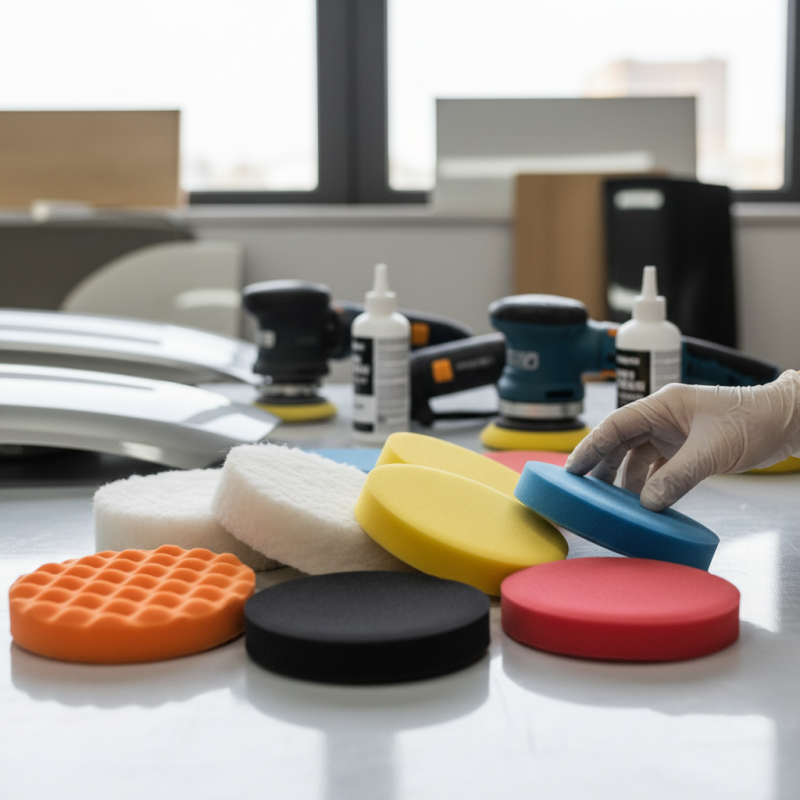
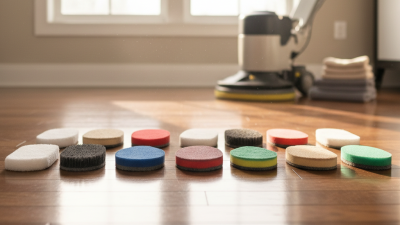
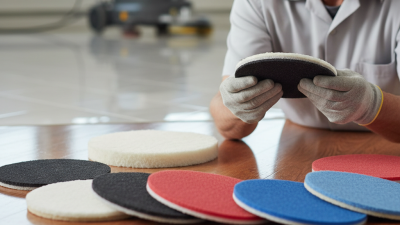
When selecting polishing pads, it’s essential to understand the different types available. Each surface requires a specific pad to achieve the best results. For instance, foam polishing pads are ideal for soft surfaces. They offer a gentle touch while still providing effective results. However, they might not be strong enough for tougher materials.
On the other hand, microfiber pads excel on harder surfaces. They can remove scratches and imperfections with ease. Yet, using them on delicate surfaces may lead to unintentional damage. Some users find themselves questioning their choices after seeing undesirable outcomes. It’s crucial to test the pads on a small area first to avoid significant mistakes.
Wool pads are another option, particularly for intensive polishing jobs. They are aggressive and can quickly remove paint. Still, their aggressive nature may cause harm if not monitored closely. Reflecting on previous experiences can help guide your selections. Choosing the right pad often requires a balance between aggressiveness and careful handling.
Factors to Consider When Selecting Polishing Pads for Your Projects
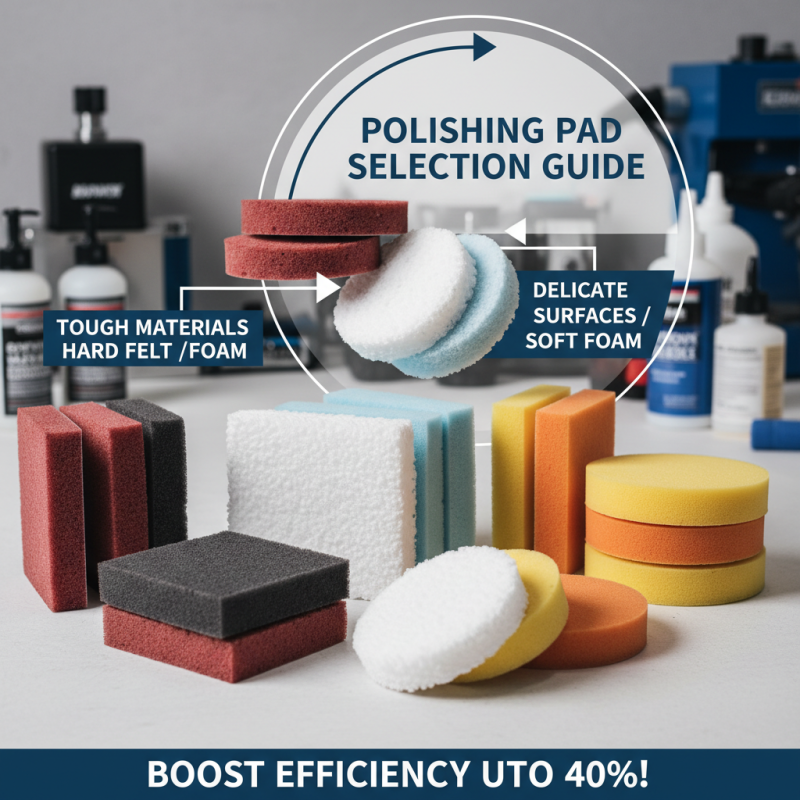
When selecting polishing pads for your projects, several critical factors must be considered. The type of material being polished plays a significant role. For example, soft pads are ideal for delicate surfaces, while the harder pads work best on tougher materials. According to industry reports, the right pad choice can increase efficiency by up to 40%. Yet, many users overlook this aspect, leading to suboptimal results.
Pad density is another crucial factor. High-density pads create a smoother finish but can generate more heat. The wrong choice might lead to burn marks or surface damage. A study indicated that improper pad selection caused issues in 25% of surveyed projects. Many users feel confident choosing pads but often realize too late that their choices were critical errors.
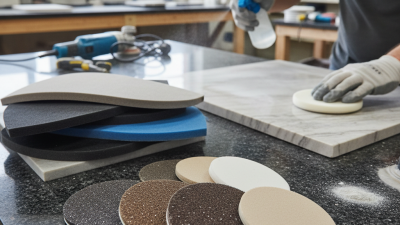
Lastly, the intended use matters significantly. There are distinct polishing needs for automotive paint, furniture, or metals. Without understanding these needs, achieving the desired outcome becomes challenging. When evaluating polishing pads, it’s important to reflect on past experiences. Learning from previous mistakes can guide better future selections.
Assessing the Material Composition of Polishing Pads
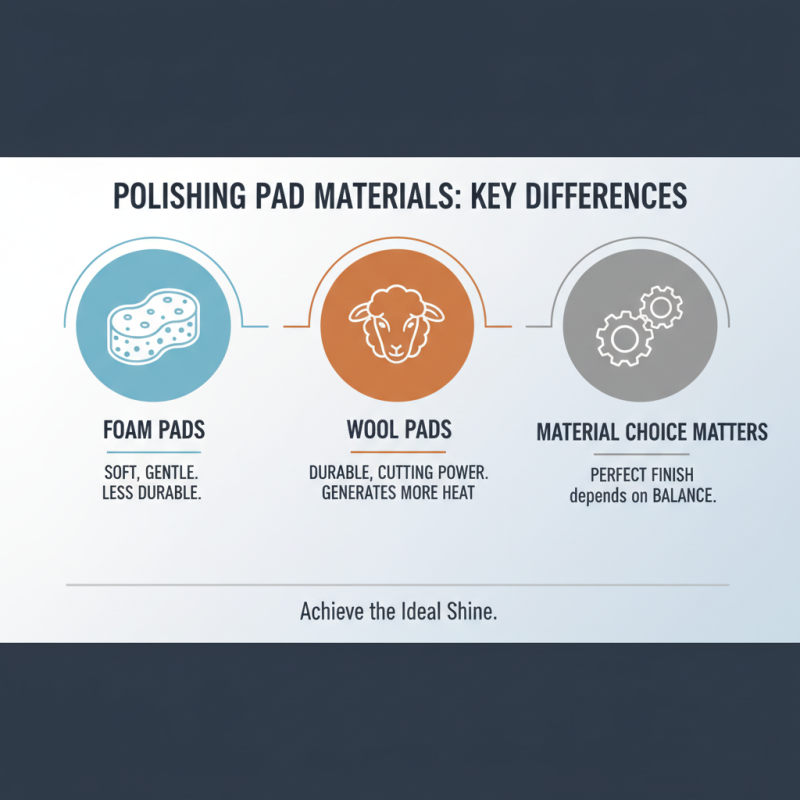
When choosing polishing pads, material composition is crucial. Various materials affect performance significantly. Foam, for instance, is soft but may not last long. Wool pads provide durability but can generate more heat. This is a consideration for achieving a perfect finish.
Understanding the type of project helps in selecting the right pad. For delicate surfaces like automotive paint, softer pads offer better results. However, tougher surfaces like metal can benefit from more aggressive materials. It's essential to strike a balance. The right pad can turn a good job into an excellent one.
Many users overlook these details. They might stick to one type of pad without reflecting on their unique project needs. Testing different pads can reveal surprising outcomes. Sometimes, a combination of materials yields the best results. It's worth experimenting to find what works best for you.
Matching Polishing Pads to Your Desired Finish and Technique
Choosing the right polishing pads is crucial for achieving your desired finish. Different projects require specific techniques and pad types. Understanding their properties can help you avoid common mistakes. For instance, foam pads work best for light polishing. They'll give you a smooth surface without too much abrasion. Cotton pads, on the other hand, are better for heavier cutting tasks. They can remove deeper scratches effectively but may leave a more textured finish.
According to industry reports, using the right pad can improve efficiency by as much as 40%. It’s essential to match your pad to the material you’re working with. For hard surfaces, a harder pad will yield better results. Conversely, soft surfaces require softer pads. Always consider the finish you desire. A high-gloss finish needs finer pads, while a matte finish can be achieved with coarser pads.
Tips: Keep a variety of pads on hand. You’ll likely face different paint conditions and surface materials. Test the pads and techniques on a small area first. Remember, it’s okay to experiment and learn from mistakes. Sometimes, achieving the right look means adjusting your approach. Make sure to reconsider your choices based on the outcomes.
Tips for Proper Care and Maintenance of Polishing Pads
Polishing pads are essential tools for achieving a flawless finish. Proper care and maintenance can extend their lifespan significantly. Many professionals overlook the importance of regular cleaning. Using a soft brush to remove debris can keep the pads functional. According to industry studies, pads that are cleaned after each use perform 20% better over time compared to those that aren't maintained.
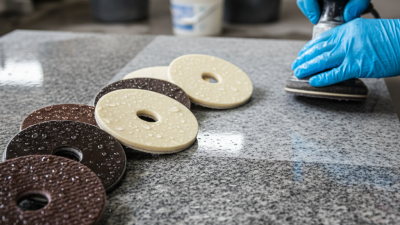
Moisture and oils can degrade polishing pads. It is crucial to store them in a dry area. A simple plastic bag can protect them from dust. However, some users tend to store pads in cramped spaces, leading to distortion. The ideal storage environment should have consistent temperatures and humidity levels. Reports indicate that improper storage can reduce polishing efficiency by up to 30%.
Another aspect often ignored is the choice of cleaning agents. Some harsh chemicals might damage the material. Gentle soaps are generally recommended. However, many professionals still use heavy-duty cleaners and regret it later. The consequences of neglecting proper maintenance are evident when projects require adjustments due to poor polishing results.