2026 How to Choose the Best Polishing Pads for Your Projects?
When embarking on projects that require a flawless finish, the choice of polishing pads can significantly impact the final outcome. According to industry reports, approximately 70% of professionals in the automotive and woodworking sectors state that selecting the right polishing pads is crucial for achieving high-quality results. The proper pads not only enhance shine but also prevent damage, ensuring long-lasting surfaces.
Polishing pads come in various types, materials, and sizes, each serving different purposes. For instance, foam pads are popular for their versatility, while microfiber pads are known for their exceptional absorbency. However, even seasoned professionals sometimes struggle with selection, making choices based on outdated practices or a narrow understanding of materials. This can lead to suboptimal results and frustration.
Understanding the nuances of polishing pads is essential for any project. Whether you aim for a mirror-like finish or subtle gloss, knowing the right pads will guide you. Investing time in research and reflection on past experiences can prevent costly mistakes. In a niche industry where precision matters, every choice warrants careful consideration, especially when it comes to polishing pads.
Understanding the Different Types of Polishing Pads in the Market
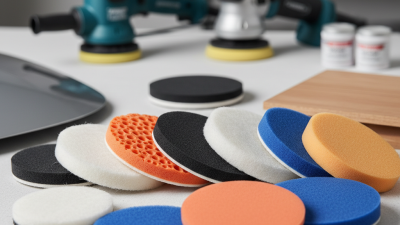
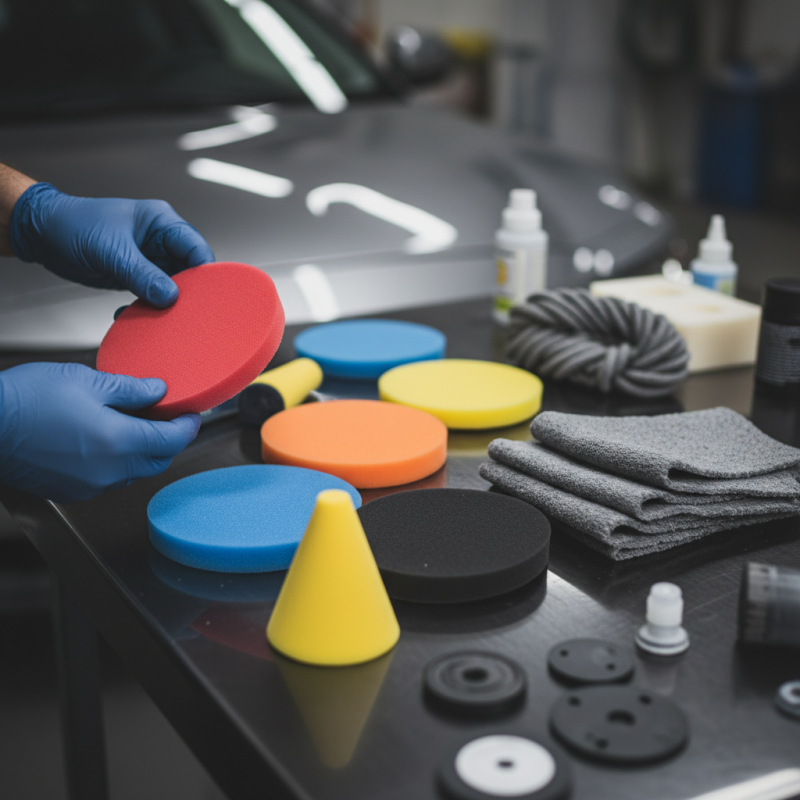
When selecting polishing pads, it's essential to understand the types available. Different projects require unique pads. Foam pads are popular for their versatility. They come in various densities, making them suitable for different tasks. Softer pads work well for delicate surfaces. Harder pads are better for tough finishes.
Wool pads are another option. They are great for aggressive polishing and can handle heavy oxidation. However, they can leave swirl marks if not used carefully. If you're working on a larger area, consider using a microfiber pad. They provide a good balance of cutting and finishing capabilities. Yet, they may not be as durable as foam or wool.
It's crucial to consider the backing material as well. Some pads use hook-and-loop systems, making it easy to swap pads. Others require adhesive backing, which can be less convenient. Don't forget about the size of the pad. A larger pad can cover more area but may be harder to control. Take your time to choose wisely. Testing different options can lead to better results, but it may take a few tries to find the perfect fit.
Comparison of Different Types of Polishing Pads
Evaluating Materials: Foam vs. Wool vs. Microfiber Pads
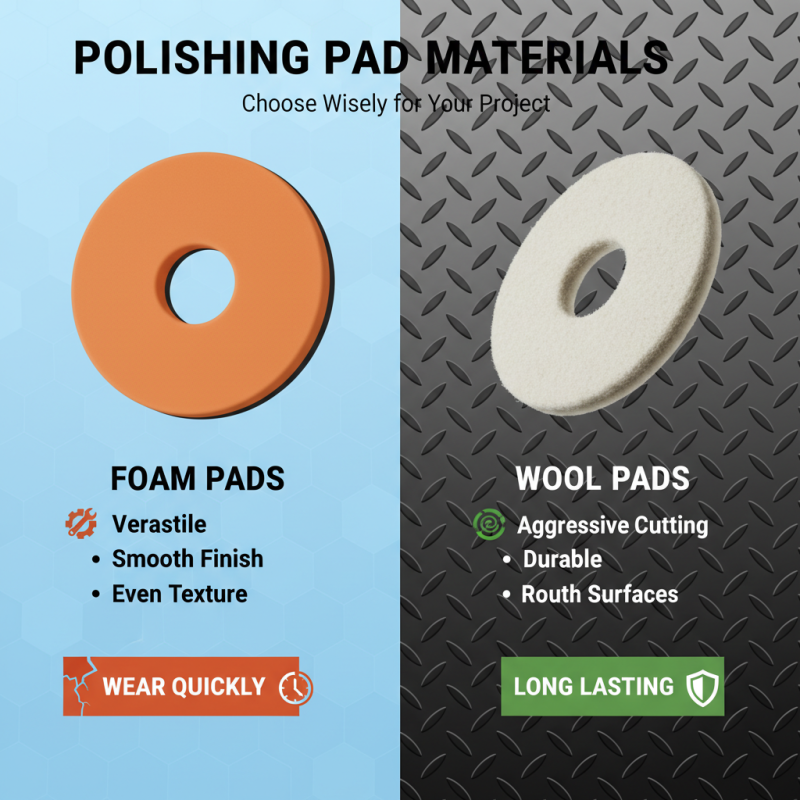
When choosing polishing pads for your projects, the material makes a significant impact. Foam pads are popular. They are versatile and effective for various surfaces. Their even texture makes them suitable for achieving a smooth finish. However, they can wear out quickly, especially on rough surfaces. This may require more frequent replacements.
Wool pads are another option. They are aggressive and quick, making them perfect for heavy cutting tasks. The natural fibers help cut through paint that needs heavy correction. But wool can leave scratches. This might not be ideal for all projects. Cleaning wool pads also takes more effort, which could impact your workflow.
Microfiber pads are relatively new. They offer a unique blend of softness and effectiveness. Microfiber can produce a glossy finish without excessive friction. However, they might not work well on materials that need deep polishing. Many enthusiasts see the potential but also feel unsure about their longevity. It’s essential to evaluate your specific needs. Each material has strengths and weaknesses that require careful consideration.
Choosing the Right Grit Level for Your Specific Project Needs
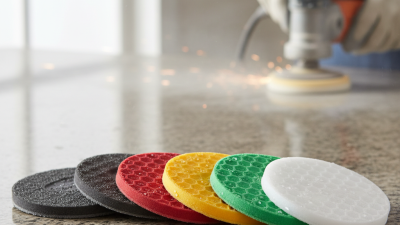
When choosing polishing pads, the grit level is crucial for the outcome of your project. A lower grit pad is designed for heavy material removal. This type is great for rough surfaces needing significant smoothing. However, using too coarse a grit on delicate materials can cause scratches or damage. It’s essential to assess the surface condition before starting.
For tasks requiring finesse, a higher grit pad is necessary. These pads polish and finish surfaces, giving a smooth and shiny appearance. They are ideal for final touches. Yet, using overly fine pads on a surface needing a heavier grit may prolong the project unnecessarily.
**Tips:** Always test a small area first. This helps ensure the chosen grit performs as expected. Don’t hesitate to switch pads if required. Sometimes, the initial choice may not yield the desired results. Remember, experience comes with trial and error. Don’t be discouraged by mistakes; they often lead to better outcomes in the end.
Comparing Durability and Longevity of Various Polishing Pad Brands
Choosing the right polishing pads can greatly impact your project's outcome. Durability and longevity are crucial factors in this decision. Some pads wear out quickly, leading to frequent replacements. This not only increases costs but also affects workflow.
When comparing various polishing pad options, consider the materials used. Softer pads may feel gentle but can degrade faster. On the other hand, harder pads offer more durability but may require more pressure and time. Each choice carries pros and cons. Personal experience shows that unexpected wear can occur, even with high-quality pads.
Reflecting on past projects, it's evident that testing multiple brands may lead to better results. Sometimes, the shiny finish we aim for is sacrificed in the pursuit of longevity. Balancing these factors can be challenging, but it is essential for achieving the desired polish. Consider your specific needs and how each pad performs under different conditions.
Assessing Cost-Effectiveness: Price per Pad vs. Performance Metrics
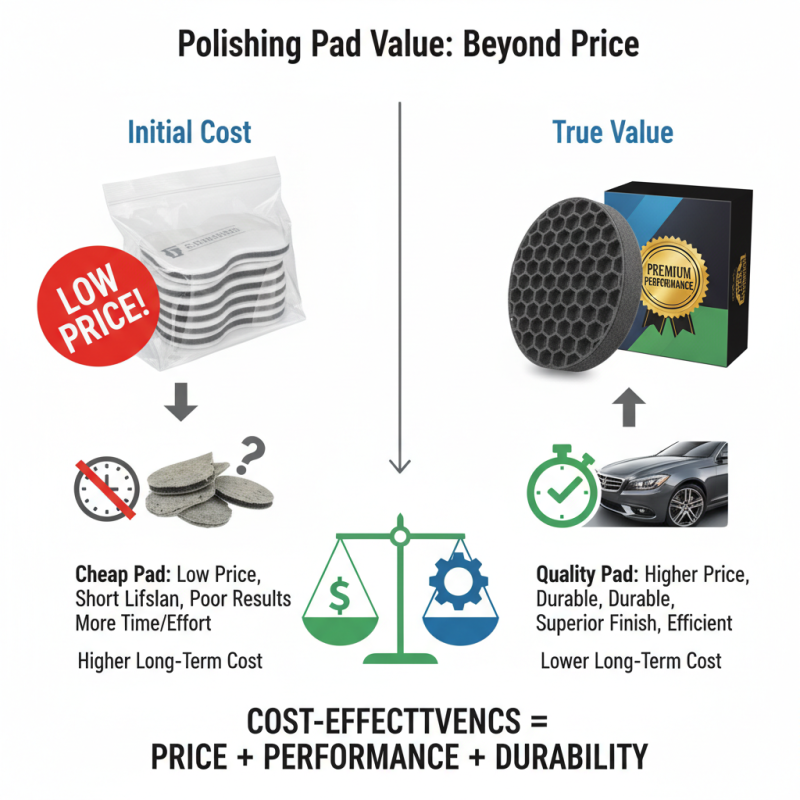
When choosing polishing pads, cost-effectiveness plays a vital role. Price per pad is one factor, but performance metrics are equally important. A lower-priced pad may not perform well, leading to wasted time and effort. Consider the durability of a pad. A high-quality pad may cost more upfront but save money over time.
Evaluate different pads based on specific tasks. Some pads excel at removing scratches, while others shine surfaces. It’s essential to match the pad to your project needs. Don’t settle for the cheapest option. Look for a balance between price and performance.
It's also wise to consider reviews and user experiences. Many users share their findings online, which can guide your decision. Pay attention to feedback on pad longevity and effectiveness. Not every pad will fit all situations. Reflecting on these points can help make a more informed choice.