

Choosing the right Irregular Abrasive for your project can be challenging. Many factors influence the decision-making process. The effectiveness of an abrasive often depends on the material being worked on and the desired finish.
People often overlook important specifics. For instance, granule size makes a significant impact. Too coarse may damage the surface, while too fine might not achieve the needed results. Understanding your project's requirements is crucial.
Additionally, sourcing Irregular Abrasives can be time-consuming. Many suppliers exist, but few meet specific standards. Certifications like ISO and CE help narrow choices. Remember, the right abrasive can enhance productivity and quality. However, a wrong choice might lead to frustration and wasted resources. Consider all aspects carefully.
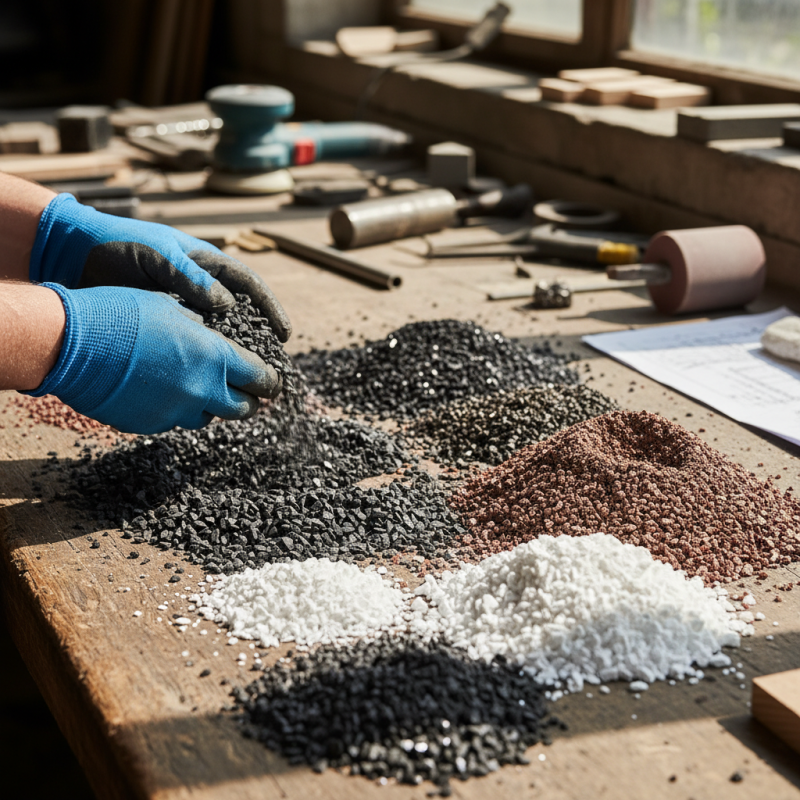
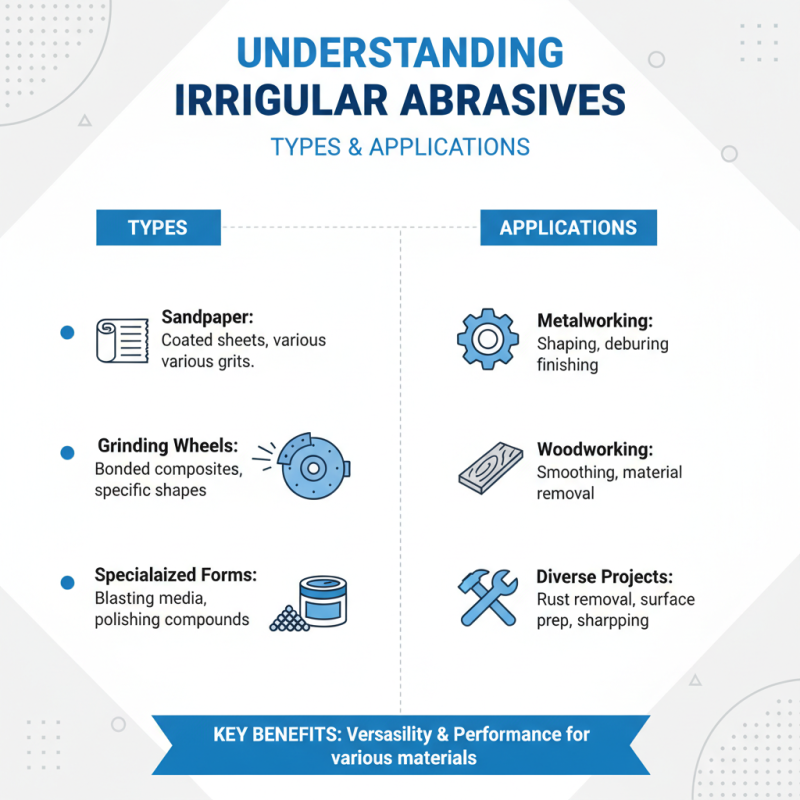
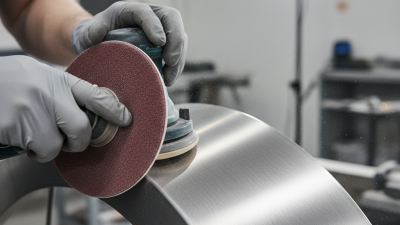
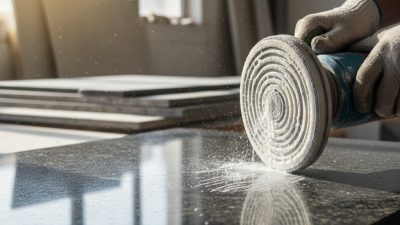
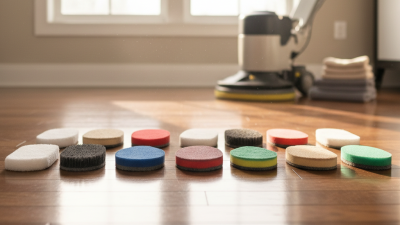
Understanding irregular abrasives is crucial for any project. These materials are not uniform and come in various shapes and sizes. They can be used in multiple applications, from metalworking to woodworking. Examples include sandpaper, grinding wheels, and more specialized forms. Each type has distinct properties that affect performance. For instance, some are better suited for fine finishing, while others excel in heavy material removal.
Tips: When selecting an irregular abrasive, consider the material you are working with. Coarser grits are suitable for harder surfaces. Finer grits work best for delicate jobs. Don’t overlook the importance of the abrasive's shape. Odd shapes can enhance efficiency in tight spots.
Experiment with different types to find the best match for your needs. Sometimes, using an abrasive that seems wrong may yield unexpected results. Pay attention to how the material reacts. If it feels too rough, switch to a finer option. Adjusting your approach based on trial and error can lead to improvement. Embrace the imperfections that come with using irregular abrasives; they often lead to better skills and outcomes.

When choosing the right irregular abrasive, understanding grit sizes is crucial. Grit size influences how abrasive materials interact with surfaces. Coarse grits, typically ranging from 24 to 60, remove material quickly. They work best on rough surfaces or for initial sanding phases. However, they can leave deeper scratches, which might need further attention.
On the other hand, finer grits, like 80 to 120, are used for finishing and smoothing. These grits prepare surfaces for painting or polishing. According to industry reports, about 80% of professionals recommend transitioning through grit sizes. Skipping grits can lead to surface imperfections. However, many underestimate the importance of this method. Instead, they might opt for a single grit size throughout their project, risking uneven results.
It’s essential to evaluate project requirements against the chosen grit size. For example, metalworking generally utilizes coarser grits for heavy material removal. In contrast, woodworking often requires finer grits for detail work. A well-thought-out approach to grit size can differentiate a successful project from a mediocre one. Be mindful; not every abrasive will meet your needs. Trial and error may be part of your journey.
Choosing the right abrasive begins with understanding the materials you are working with. Not all abrasives suit every material. For instance, metals require specific abrasives that differ from those used on wood or stone. One must consider the hardness and texture of the substrate when selecting an abrasive. A mismatch can lead to ineffective results or even damage.
When assessing material compatibility, think about the project requirements. Some projects need precision, while others focus on speed. An abrasive that is too coarse might remove material too quickly, leading to rough surfaces or uneven finishes. On the other hand, a finer abrasive may take too long and cause frustration.
Experimentation often helps in finding the perfect match. It’s okay to test multiple options before finalizing your choice. Sometimes, what seems right can turn out wrong. Don’t hesitate to adjust your approach based on the results. Observing how the abrasive interacts with your material can guide you. These small adjustments can make a significant difference in your project’s outcome.
This chart illustrates the material compatibility ratings for various irregular abrasives. The ratings indicate how well each abrasive material can be used in different projects, with higher values denoting better compatibility.
When budgeting for irregular abrasives, cost-effectiveness is crucial. Selecting the right abrasive can influence overall project costs significantly. You need to assess factors such as material type, durability, and intended application. A cheap option might lead to frequent replacements, increasing long-term expenses. Quality abrasives may seem pricier upfront, but they can offer better performance.
Analyze your project requirements carefully. Will you use the abrasive for heavy-duty tasks or light sanding? Understanding usage can help refine your choices. Sometimes, the most expensive option is not the best fit. It’s essential to evaluate your specific needs and balance quality with price.
Don’t overlook potential hidden costs. Shipping fees, disposal costs, and safety equipment can add up. Always factor in these elements when planning your budget. A hasty decision could lead to overspending or buying the wrong product. Reflect on previous projects and adjust your approach accordingly. Learning from past mistakes is vital for successful budgeting.
| Abrasive Type | Cost per Pound | Ideal Application | Durability Rating | Recommended Grit Size |
|---|---|---|---|---|
| Aluminum Oxide | $0.50 | Metal Surface Preparation | High | 80-120 |
| Silicon Carbide | $0.70 | Glass and Plastic | Medium | 120-220 |
| Garnet | $0.80 | Wood Finishing | High | 150-320 |
| Walnut Shell | $1.00 | Delicate Surfaces | Medium | 60-120 |
| Ceramic | $1.20 | Industrial Applications | Very High | 80-180 |
Handling irregular abrasives requires attention to safety. These materials can be unpredictable. Always wear protective gear, including gloves and goggles. Dust and debris may fly around, causing irritation or injury. Failing to wear proper protection can lead to serious harm. Ensure your workspace is well-ventilated to minimize inhalation risks.
When using irregular abrasives, proper storage is key. Store them in a secure container. Loose materials can spill, creating a mess. A chaotic workspace increases the chance of accidents. Establishing a routine for clean-up after your project can help maintain safety. It’s important to reflect on your procedures. Sometimes, we overlook small details, resulting in hazardous situations.
Be cautious about the tools you choose. Some abrasives can be more aggressive than others. Test them in a controlled manner. This way, you can gauge their impact. Over time, you may notice wear on your equipment. Regular checks are necessary to avoid malfunction. Always have a plan for unexpected issues. In the world of irregular abrasives, being prepared makes all the difference.