2026 How to Choose the Best Floor Pad for Your Needs?
Choosing the right floor pad is crucial for various cleaning applications. The global floor care market was valued at over $18 billion in 2021 and is expected to grow significantly. This growth highlights the importance of selecting the best floor pad to meet your specific needs.
When considering a floor pad, think about the surface being cleaned. Different materials, such as hardwood or tile, require various pad types. A microfiber pad may be best for delicate floors, while a durable pad works well on rougher surfaces. Research shows that 70% of facility managers prioritize using the right floor pad to achieve optimal cleanliness.
However, choosing the right floor pad can be overwhelming. Many options claim to be effective, but not all deliver the desired results. Sometimes, it leads to frustration and increased costs. Examining industry reports can help, but personal experience is invaluable. By assessing your unique requirements and understanding floor pads' functions, you can make a more informed choice.
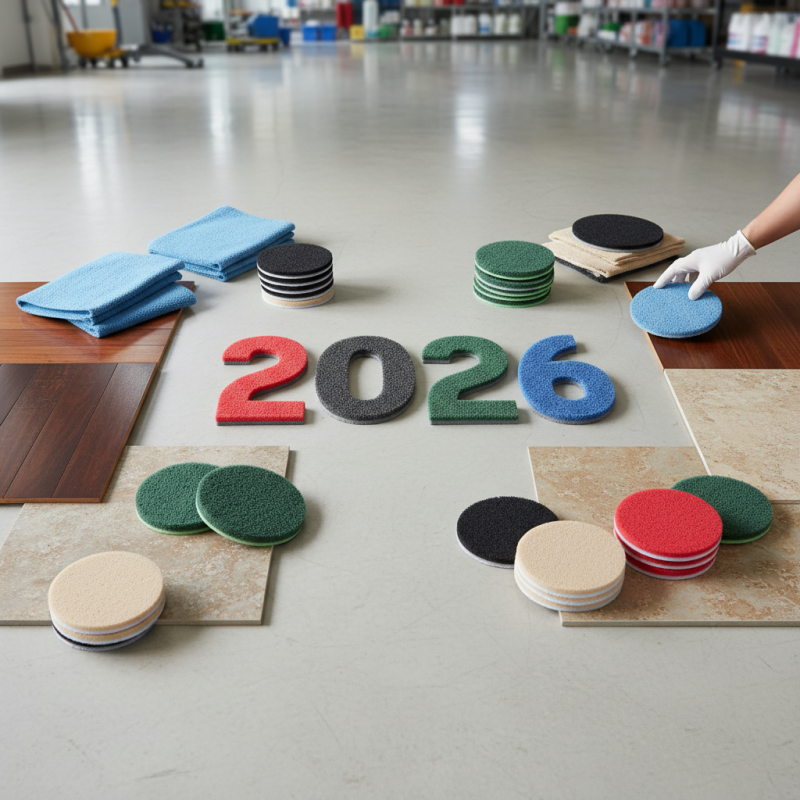
Understanding Different Types of Floor Pads Available in the Market
When selecting a floor pad, it's crucial to understand the various types available. Each type serves distinct purposes and benefits. For instance, carpet pads provide cushioning and protect flooring. They can enhance the feel of your carpet, making it more comfortable to walk on. These pads vary in thickness and density, allowing customization based on your needs.
Rubber pads are another option. They are durable and offer excellent traction. Ideal for high-traffic areas, they resist wear and tear. However, sometimes they can feel too firm. It's important to test different types, as personal comfort varies greatly.
Foam pads are lightweight and often less expensive. They can effectively reduce noise and provide mild cushioning. But, they might not hold up well over time. This can be frustrating for users who expect longevity. Understanding your specific needs will greatly influence your choice of the right floor pad. Experimenting with different materials ensures the best fit for your space.
Assessing Your Flooring Type and Its Specific Requirements
Choosing the right floor pad starts with understanding your flooring type. Different materials have unique requirements. For example, hardwood floors demand softer pads to prevent scratches. In contrast, vinyl flooring is more durable and can handle firmer options. According to a 2022 industry report, approximately 70% of homeowners prioritize floor protection, indicating a growing awareness of proper maintenance.
Also, consider the environment where the flooring is located. In high-traffic areas, like entryways, thicker pads are advisable. They provide better shock absorption. However, in low-traffic spaces, such as bedrooms, thinner pads may suffice. A balanced approach is needed here. According to research, 40% of people overlook pad thickness, thinking “any will do.” This often leads to rapid wear and tear.
It's important to reflect on your specific needs. Do you have pets? That could change everything. Pets may require extra cushioning. Remember, the most expensive option isn't always the best. Sometimes, a mid-range pad performs just as well. A survey found that over 30% of consumers regret their floor pad choice. It’s wise to analyze your situation before making a decision.
Evaluating the Purpose and Frequency of Use for Floor Pads
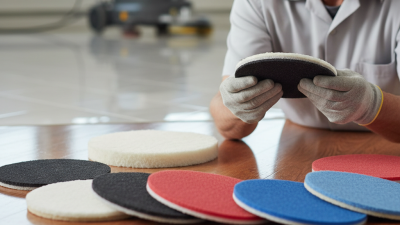
When choosing the right floor pad, evaluate what you need it for. Consider the types of surfaces you'll be cleaning. Different pads work best on hardwood, tile, or carpet. If you often clean hardwood, a soft pad is ideal. For tile, a more abrasive option helps tackle grime and dirt. The choice is crucial to avoid damaging your floors.
Frequency of use also plays a role. If you clean daily, choose durable pads. These might cost more but save money in the long run. For less frequent use, a budget-friendly option might be enough. Reflect on how often your floors need attention. A pad that wears out quickly can be frustrating and counterproductive. Balancing cost and performance is essential; it’s not always straightforward.
Consider trying various pads before committing to one type. Experiment with different materials and textures. You might find that what works for others doesn't suit your needs. Little details matter, like how the pad feels in hand and how well it absorbs liquid. Embrace the trial and error process. It can lead to a discovery of the perfect floor pad for your lifestyle.
2026 How to Choose the Best Floor Pad for Your Needs?
This chart illustrates the evaluation of floor pad types based on their intended use and frequency. Different floor pad types cater to various cleaning requirements, and this data can guide your selection process.
Analyzing Material Composition and Durability for Long-Term Use
When choosing a floor pad, material composition is crucial. Different materials impact durability and performance. High-density foam offers excellent cushioning. However, it may not withstand heavy traffic as well as rubber. Research from the Flooring Industry Council indicates that pads made from recycled materials perform comparably to new materials in many aspects.
Consider how the material responds over time. Some pads may compress, losing their effectiveness. Some studies show that 30% of users experienced premature wear within six months. This reflection on long-term use is essential when selecting a pad.
Tips: Always request samples when possible. Test material composition under stress. Evaluate how it performs under different conditions. Consider your specific needs before making a final choice. The right material can enhance comfort and ensure longevity. By putting thought into your choice, you set yourself up for success.
2026 How to Choose the Best Floor Pad for Your Needs? - Analyzing Material Composition and Durability for Long-Term Use
| Material Type |
Durability Rating (Years) |
Best Use Case |
Maintenance Requirement |
Cost per Unit ($) |
| Polypropylene |
3-5 |
Commercial Settings |
Low |
10-20 |
| Nylon |
5-7 |
Residential & Commercial |
Medium |
15-25 |
| Rubber |
7-10 |
Industrial Use |
High |
30-50 |
| Microfiber |
2-4 |
Home Use |
Very Low |
5-10 |
| Wood |
10-15 |
High-End Residential |
Medium |
50-100 |
Considering Budget and Cost-Effectiveness When Choosing Floor Pads
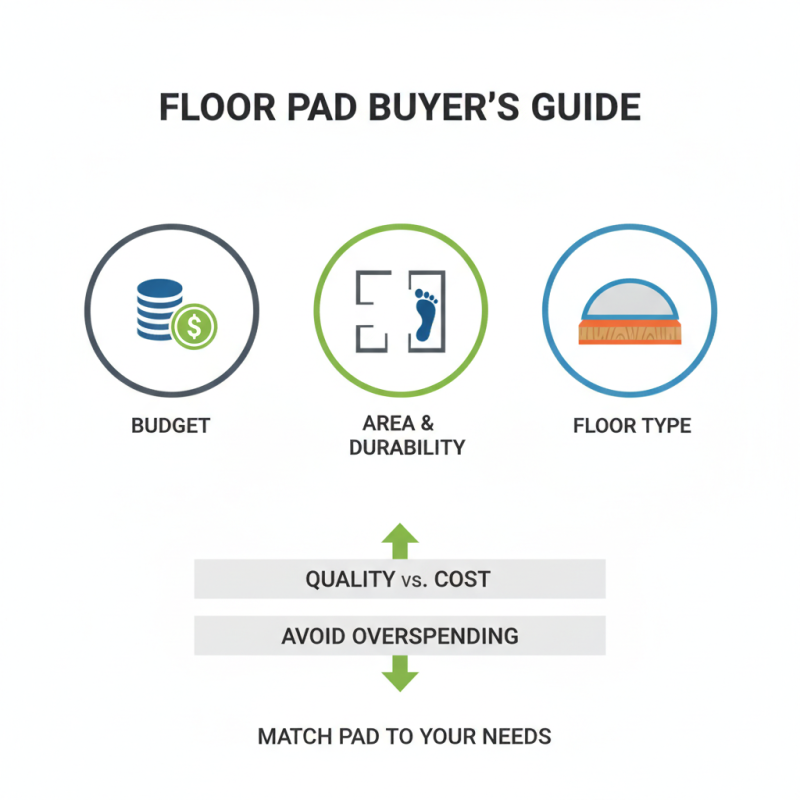
When selecting the right floor pad, budget considerations are crucial. High-quality pads can vary widely in price. It's easy to overspend on a product that looks good but doesn't meet your needs. Think about the area where you'll use the pad. Some spaces need more durability than others, affecting your overall cost. Assess the type of flooring you'll be working with as well. A softer pad might be less expensive but can wear out quickly on hard surfaces.
Cost-effectiveness does not always mean choosing the cheapest option. Sometimes, investing a bit more initially leads to better long-term value. For example, a pad that lasts longer can save you money over time. Analyze how often you'll replace the pad based on its material and thickness. Keep a realistic perspective on your expectations. A floor pad can be an overlooked investment, so weighing its potential lifespan against its price is vital.
Reflect on your specific usage. Do you need the pad for heavy equipment or light foot traffic? The answer significantly impacts your choice. Don’t rush into a decision without considering how the pad fits your budget and needs. Balance quality with cost for the best results. The right choice can enhance your space without breaking the bank.