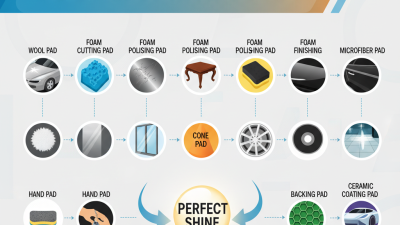
Why Choose the Right Floor Polishing Pad for Your Floors?
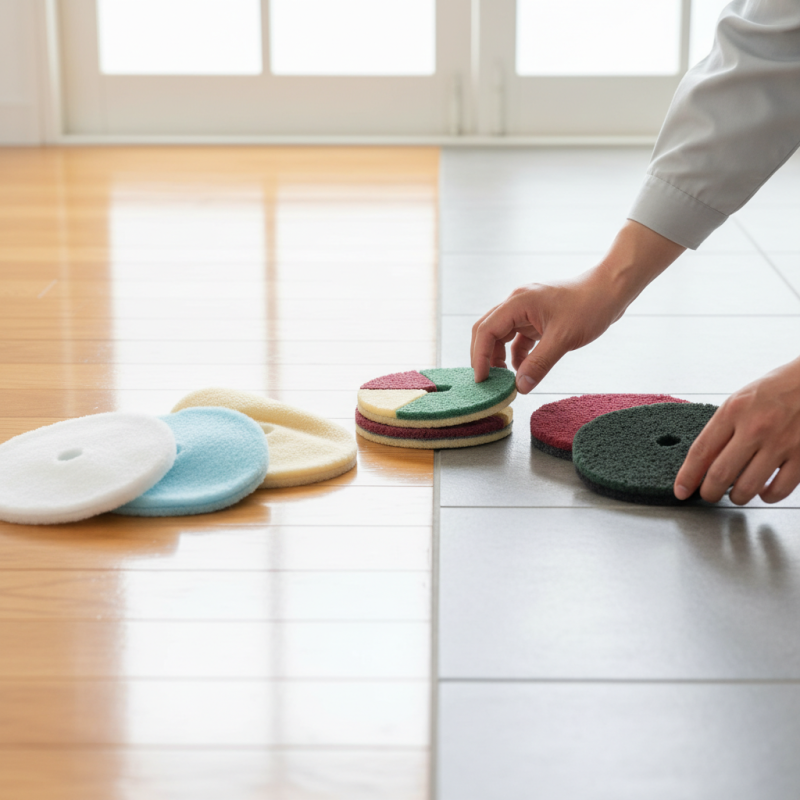
Choosing the right Floor Polishing Pad is crucial for maintaining beautiful floors. According to industry expert John Carter, "The right pad makes all the difference in achieving a perfect shine." Floors bear daily wear and tear, and selecting the wrong pad can cause damage. Improper pads may leave scratches or dull the surface.
Each type of floor requires specific care. A hardwood floor benefits from a soft, gentle pad. Meanwhile, tile floors may need something more aggressive. It's essential to know your flooring material to avoid making mistakes. An incorrect choice can lead to costly repairs and frustration.
The world of Floor Polishing Pads is vast, with various options available. Some pads may claim to be universal but often fall short. Regularly re-evaluating your floor care routine ensures longevity. Remember, the path to shiny, well-maintained floors begins with a thoughtful choice of polishing pad.
Understanding the Importance of Floor Polishing Pads in Floor Care
Choosing the right floor polishing pad is crucial for maintaining floors effectively. Floor polishing pads come in various materials, each designed for a specific purpose. Some pads are ideal for removing scuff marks, while others enhance shine. Selecting the wrong pad can lead to scratches or dull surfaces. It's essential to understand what your floors need.
Different floors require different care. For example, hardwood, tile, and vinyl all have unique characteristics. Using a pad meant for one type on another could result in damage. A soft pad may not remove dirt effectively on harder surfaces. Conversely, a coarse pad can harm delicate finishes. This mismatch often goes unnoticed until it's too late.
Reflection is vital in floor care. Have you ever experienced that moment of regret after using the wrong pad? The initial work to polish can feel wasted when improper pads are chosen. Learning from these mistakes helps in making informed decisions. Balancing cost with effectiveness is another consideration. Sometimes, cheaper pads lead to more issues. Investing in the right pad pays off in the long run.
Types of Floor Polishing Pads and Their Specific Applications
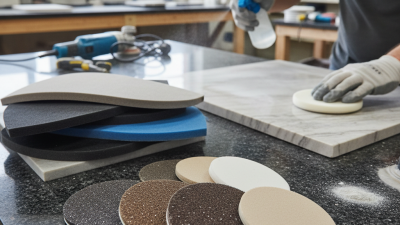
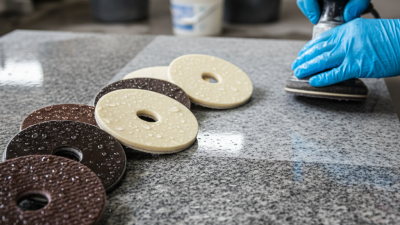
When it comes to maintaining floors, choosing the right polishing pad is crucial. There are various types of pads, each designed for specific applications. For example, synthetic pads work well on harder surfaces. They don't absorb too much product, making them efficient and effective.
In contrast, natural fiber pads are softer and more absorbent. These are perfect for delicate floors that require gentle care. They can maintain the shine of hardwood or marble. However, they may need more frequent replacement and upkeep. It's essential to weigh the longevity of the pads against their specific performance.
Some people overlook the condition of their floors before choosing a pad. Ignoring this can lead to subpar results. A pad that works for one type of floor might damage another. The wrong choice can leave floors uneven and tarnished. Learning about floor types first is important for a successful polishing project.
Why Choose the Right Floor Polishing Pad for Your Floors? - Types of Floor Polishing Pads and Their Specific Applications
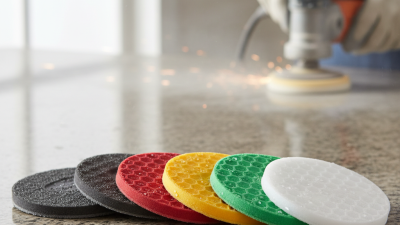
| Type of Pad |
Application |
Material |
Use Case |
Durability |
| White Pad |
Cleaning and Buffing |
Synthetic Fiber |
Daily maintenance |
Medium |
| Red Pad |
Light Scrubbing |
Nylon |
Monthly scrubbing |
Medium to High |
| Green Pad |
Heavy Scrubbing |
Aggressive Abrasive |
Deep cleaning |
High |
| Black Pad |
Stripping Wax |
Heavy Duty Fiber |
Floor stripping |
Very High |
| Diamond Pad |
Polishing |
Diamond Grit |
High-gloss finish |
Very High |
Key Factors to Consider When Selecting a Floor Polishing Pad
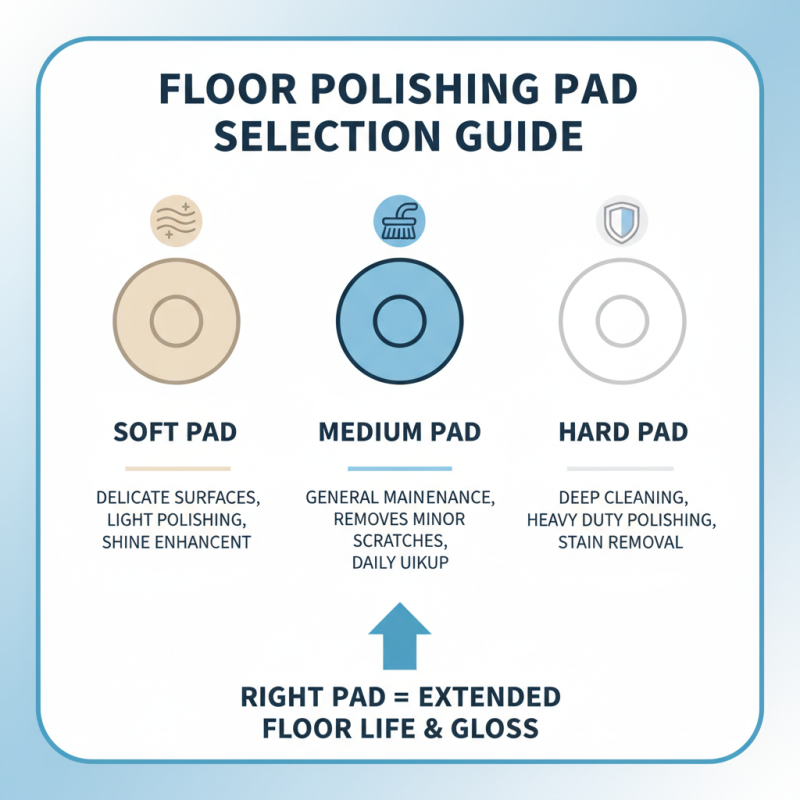
Selecting the right floor polishing pad requires careful consideration. The material of the pad plays a crucial role in its effectiveness. Different pads work best on specific floor types. For example, softer pads are great for delicate surfaces, while harder pads are ideal for tougher materials. Know your floor's needs, or you may face scratches or damage.
Another key factor is the grit level. Pads come in various grit sizes, affecting how much shine they can achieve. Lower grit pads are more abrasive and remove surface imperfections. In contrast, higher grit pads provide a smooth, glossy finish. Choosing the wrong grit can lead to disappointment, as it may not yield the desired look.
Lastly, consider the size and compatibility of the pad with your polishing machine. Not all pads fit all machines. Ensure a proper fit to avoid performance issues. A mismatched pad can hinder cleaning, leaving you frustrated. Think about these elements carefully to achieve beautiful floors.
Why Choose the Right Floor Polishing Pad for Your Floors?
Choosing the right floor polishing pad is essential for achieving optimal floor care results. Here is a comparison of different pad types based on their effectiveness, durability, and suitable floor types.
Impact of Proper Pad Selection on Floor Longevity and Maintenance Costs
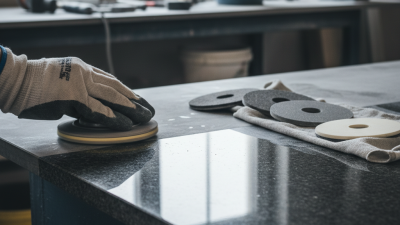
Choosing the right floor polishing pad is essential for maintaining your floors. The selection directly influences overall upkeep and longevity. A suitable pad can extend the life of your flooring. It keeps surfaces shining while preventing damage from scratches and stains.
For instance, using a soft pad on hardwood floors allows for gentle cleaning, preserving the finish. On the other hand, a coarse pad might cause wear and tear. This misstep can lead to costly repairs. You may not see immediate damage, but over time, it accumulates. Proper pad selection impacts long-term maintenance costs significantly.
Furthermore, the type of pad affects the frequency of cleaning. A good pad reduces effort, allowing you to clean less often. It may seem tempting to choose inexpensive options. However, they can lead to hidden costs down the line. Eventually, you might find yourself spending more on repairs and replacements. It's crucial to weigh short-term savings against future expenses. Think carefully about your choices.
Industry Standards and Testing for Floor Polishing Pad Effectiveness
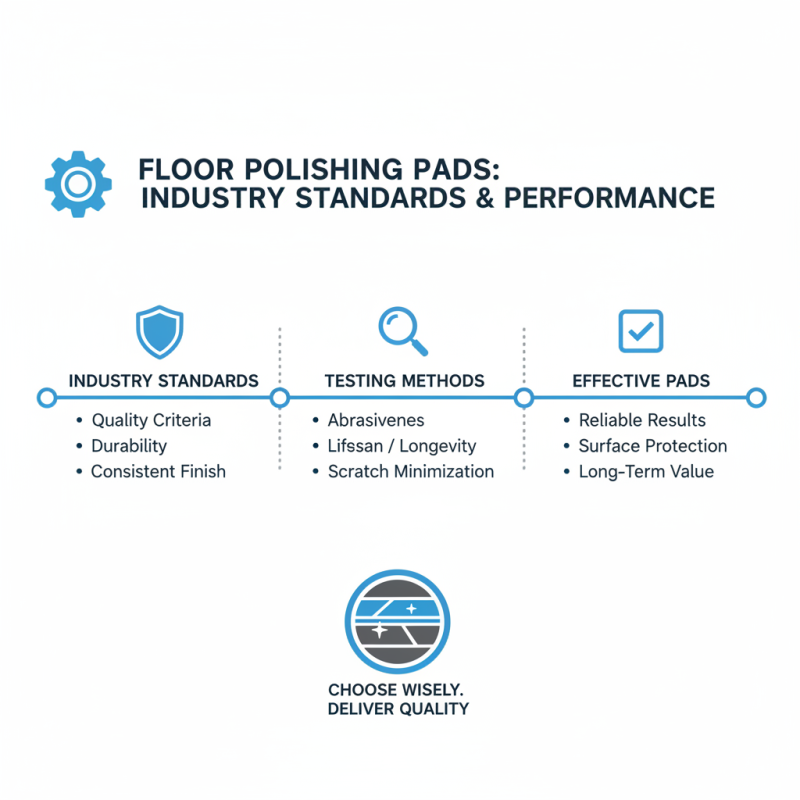
When it comes to choosing floor polishing pads, it’s crucial to understand the importance of industry standards. These standards ensure that pads meet specific criteria for performance and durability. Effective pads provide a consistent finish while minimizing scratches on surfaces. Testing methods examine various factors such as abrasiveness and lifespan. Some pads may appear effective at first glance, but do they truly deliver?
Take a close look at performance testing protocols. They often involve assessments under controlled conditions. This reveals how pads perform on different floor types. However, not all manufacturers adhere to rigorous testing methods. This inconsistency can lead to poor choices. Users must educate themselves. Relying solely on marketing claims can lead to disappointments.
Over time, the difference between various pads becomes evident. Some lose effectiveness quickly after just a few uses. Others may seem to work but can damage floors in the long run. It’s essential to reflect on past purchases and their results. Consider the value of investing in quality. In the end, selecting the right pad can significantly impact not only the floor's appearance but also its longevity.