2026 How to Choose the Best Wet Diamond Polishing Pad for Your Project?
When it comes to selecting the best Wet Diamond Polishing Pad for your project, expert advice is pivotal. Dr. Emily Chen, a leading authority in surface finishing, once stated, "Choosing the right polishing pad transforms your results." This underscores the importance of a well-informed choice.
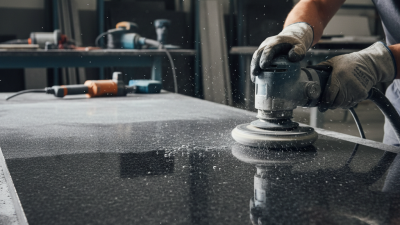
Wet Diamond Polishing Pads are not just tools; they are essential for achieving a superior finish on various surfaces. Whether you're working on concrete, granite, or marble, the right pad can make a significant difference. The market offers a vast array of options, each designed to meet specific needs and project requirements. It’s crucial to consider factors like pad grit, size, and compatibility with your equipment.
However, selecting a pad is not always straightforward. You may struggle with balancing performance and cost. Some may find that popular pads don’t meet their expectations. Therefore, reflection on past choices can guide future decisions. Aim for pads that offer both durability and efficiency, ensuring your project stands out.
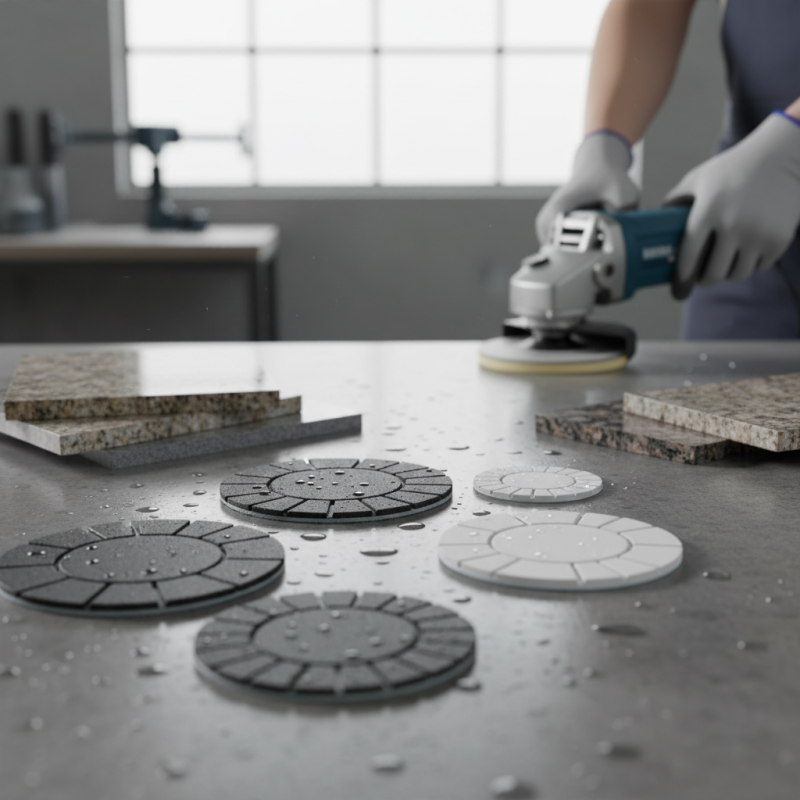
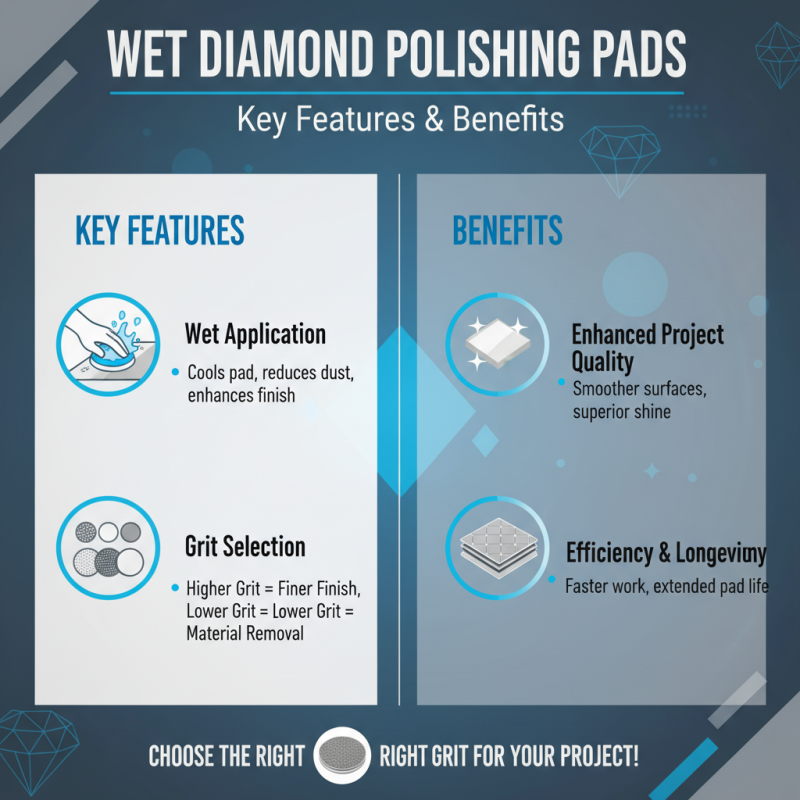
Understanding Wet Diamond Polishing Pads: Key Features and Benefits
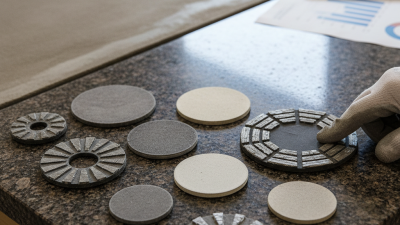
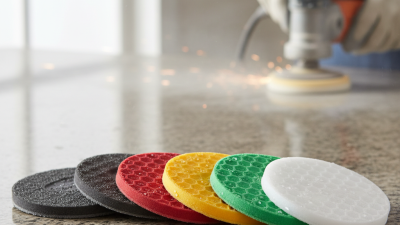
When choosing wet diamond polishing pads, understanding their key features is essential. These pads offer specific benefits that can enhance your project. The grit of the pad plays a vital role in the polishing process. Higher grit numbers lead to a finer finish, while lower grits are better for removing material and smoothing rough surfaces. It’s important to evaluate your project needs and select the appropriate grit accordingly.
Another critical aspect is the backing material of the pads. Some pads are made with a flexible backing, allowing them to conform to various surfaces. Others might be more rigid, which can provide a more straightforward polishing experience on flat areas. Additionally, consider the thickness of the pad. Thicker pads often last longer but may be harder to maneuver in tight spaces. Reflecting on your specific requirements will help you make a more informed choice.
Water usage is another point to ponder. Wet polishing requires a stable water source to prevent overheating and ensure effective dust suppression. It’s often overlooked, yet crucial for safety and efficiency. Remember, improper water management can lead to inconsistent results. Not all pads are created equal. You may find that some do not perform as expected on certain surfaces. Testing a few options can lead to discovering the best fit for your unique project needs.
Types of Wet Diamond Polishing Pads for Different Surface Materials
When selecting wet diamond polishing pads, understanding the types suited for various surface materials is crucial. Different surfaces, such as granite, marble, and concrete, require specific pads to achieve optimal results. For instance, a recent industry report highlighted that
granite, being hard and dense, benefits from pads with a grit range of 50 to 3000. These pads effectively remove scratches and provide a high-gloss finish.
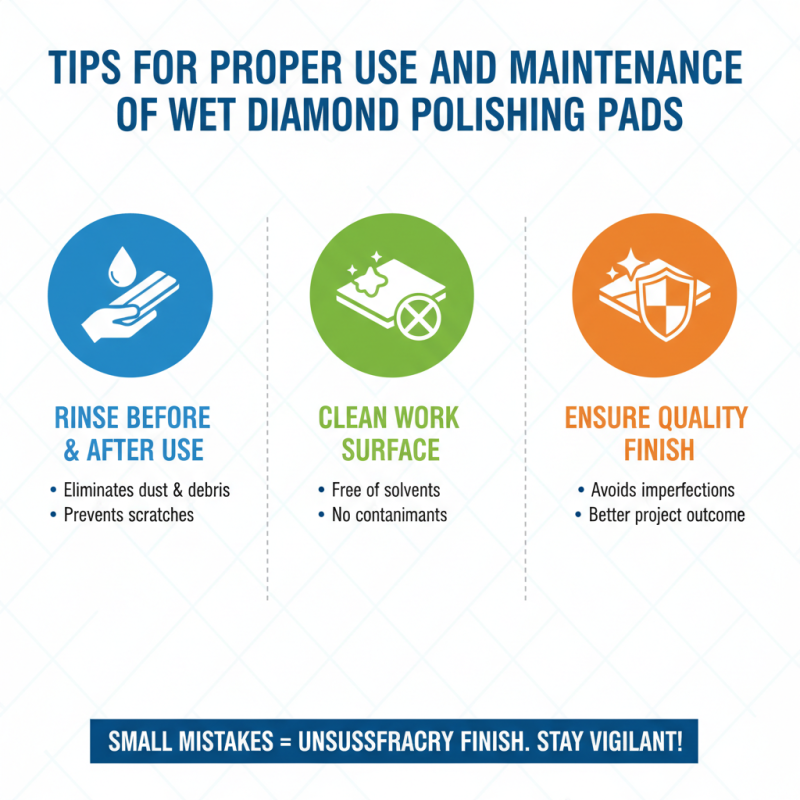
Marble, in contrast, is softer and more porous. Therefore, using pads with a grit range of 200 to 3000 ensures the surface is polished without damage. The choice of water-cooling pads can also significantly reduce heat buildup. Keeping surfaces clean during polishing can yield better results, as debris may cause scratches. It is essential to use pads designed for wet applications, as they are less likely to overheat and damage delicate materials.
Concrete requires an entirely different approach. Pads designed for concrete typically have a lower grit range, close to 30 to 400. This helps in grinding down rough surfaces and preparing them for sealing. Many contractors underestimate the importance of moisture while polishing. Too little or too much can adversely affect the final finish. As noted in various industry studies, improper pad selection leads to inefficiencies and poor outcomes. It's essential to choose wisely based on the project requirements.
How to Assess Grit Size and Its Impact on Polishing Results
When selecting wet diamond polishing pads, understanding grit size is crucial. Grit size affects the overall finish of your project. Lower grit numbers, like 50 or 100, are coarse. They remove material quickly. Higher grits, such as 400 or 3000, produce a finer polish. Knowing this can save time. It can also lead to better results.
Tips: Start with a lower grit for heavy scratches. Gradually increase the grit size. This method allows for a smoother finish. Pay attention to the material surface you are working with. Different surfaces may require different grit sequences.
Choose your grits based on your specific needs. If the surface has minor blemishes, begin with a medium grit. If you're unsure, test a small area first. This way, you can correct any mistakes before committing to the entire surface. It’s a practical approach that can help avoid unnecessary rework.
2026 How to Choose the Best Wet Diamond Polishing Pad for Your Project? - How to Assess Grit Size and Its Impact on Polishing Results
| Grit Size |
Recommended Use |
Expected Finish |
Ideal Materials |
| 50 Grit |
Initial grinding |
Coarse finish |
Concrete, Stone |
| 200 Grit |
Surface preparation |
Medium finish |
Concrete, Marble |
| 400 Grit |
Smoothing surface |
Fine finish |
Marble, Granite |
| 800 Grit |
Final polishing |
High-gloss finish |
Granite, Quartz |
| 1500 Grit |
High shine polishing |
Mirror finish |
Marble, Glass |
| 3000 Grit |
Ultra-fine polishing |
Super glossy finish |
Glass, Stone |
Selecting the Right Pad Flexibility for Your Project Specifics
Choosing the right wet diamond polishing pad is crucial for achieving optimal results in your project. Flexibility is a key factor to consider, as it impacts the pad's ability to conform to various surfaces. Industry studies show that pads with high flexibility can effectively polish uneven or curved surfaces. This is essential for projects involving natural stones or intricate designs. Data indicates that using flexible pads can enhance the overall finish quality by up to 30%.
When assessing pad flexibility, consider the specific requirements of your project. Researchers have found that different materials respond better to varying pad types. For instance, granite surfaces may benefit from stiffer pads, providing more control. Conversely, softer stones like marble often require more flexible pads to avoid scratching. An incorrect choice can lead to unsatisfactory results, potential damage, and wasted time.
Moreover, the wear rate of pads should not be neglected. Some flexible pads may wear out faster, impacting cost-efficiency. An analysis by industry experts notes that selecting pads based solely on flexibility, without considering durability, may lead to frequent replacements. Understanding the balance between these factors can help ensure a successful polishing experience. It's essential to reflect on both flexibility and durability to choose the right pad for the job.
Comparison of Wet Diamond Polishing Pad Flexibility