

page_banner

How to Choose the Best Floor Polishing Pad for Your Needs?

Choosing the right Floor Polishing Pad is essential for effective cleaning and maintenance. A suitable pad can enhance the shine and longevity of your floors. Various materials and textures exist, each serving a specific purpose. It can be overwhelming, especially for those new to floor care.

Consider the type of flooring you have. Different surfaces, like hardwood or tile, require specific pads. The wrong choice may lead to scratches or damage. Understanding these factors is crucial for longevity. Finding the right balance between cost and quality is also important.

Additionally, user reviews and expert recommendations can provide valuable insights. This knowledge helps in making informed decisions. Reflect on your current cleaning methods. Could they be streamlined or improved with the right pad? This choice can significantly impact your cleaning efficiency and overall satisfaction.

How to Choose the Best Floor Polishing Pad for Your Needs?

Understanding Different Types of Floor Polishing Pads

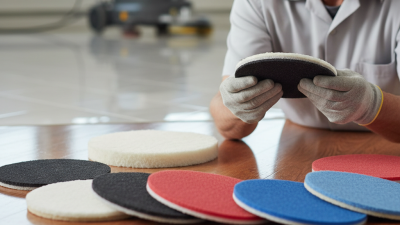
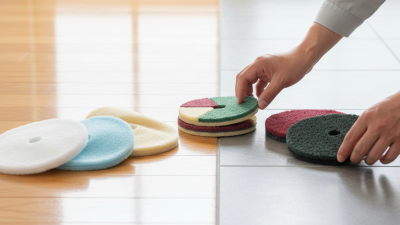
When choosing the right floor polishing pad, it’s crucial to understand the different types available. Each type serves a distinct purpose, optimizing the polishing process for various floor materials. For instance, soft pads are ideal for delicate surfaces like marble, while harder pads work well for concrete. According to industry reports, properly matched pads can improve polishing efficiency by up to 30%.

A recent survey revealed that nearly 65% of facility managers found floor maintenance costs decreased significantly after using suitable pads. Many users reported improved shine and durability of their floors. However, the choice of a pad should not only depend on material compatibility. The pad's grit level is also essential. Higher grit pads provide a finer finish, but they may not always be the best fit for heavy-duty tasks.

It's important to remember that even the best pads require proper maintenance. Users often overlook the need for regular cleaning and replacement, which can lead to diminished results. Choosing a floor polishing pad should involve considering the long-term maintenance of both the pad and the floor. While knowledge about the types of polishing pads is critical, practical experience plays an equally vital role in achieving the desired outcomes.
Floor Polishing Pad Types and Their Effectiveness

Evaluating Your Floor Type for the Right Pad Selection

Choosing the right floor polishing pad hinges on understanding your floor type. Different materials react uniquely to specific pads. Knowing your floor’s composition, whether hardwood, tile, or concrete, is vital. For instance, hardwood floors benefit from soft pads that avoid scratching. According to the National Floor Safety Institute, improper pad selection can lead to costly damage, highlighting the importance of evaluating your floor type first.

Tile floors generally require more aggressive pads for effective cleaning. Most industry professionals recommend a medium to hard pad for optimal results. Reports indicate that using the wrong pad can reduce lifespan by as much as 30%. Concrete surfaces, on the other hand, often necessitate diamond pads that respond well to their porous texture. One must consider both grit and flexibility to achieve the best results.

In practice, many users find themselves grappling with trial and error. Mixing up pad types can result in less-than-desirable outcomes. One common issue is a dull finish caused by incompatible pad materials, which often prompts a reevaluation of choices. Engaging with experienced professionals can help navigate these challenges, ensuring the selection aligns with floor requirements.

Determining the Appropriate Grit Level for Your Polishing Needs

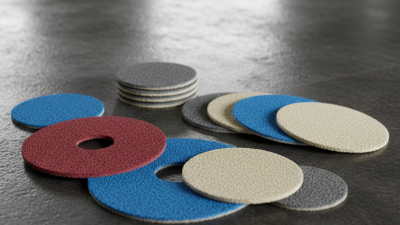
When selecting a floor polishing pad, the grit level is crucial. Grit refers to the size of the abrasive particles on the pad. Lower grit numbers are coarser, while higher numbers indicate finer abrasives. Knowing the right grit level helps you achieve your desired finish.

For initial polishing, a lower grit pad, such as 50 or 100, may be appropriate. This choice removes scratches and imperfections effectively. However, starting too aggressively can damage softer floors or result in uneven surfaces. Reflect on your floor type and wear when making this decision.

As you refine the polish, transitioning to higher grit levels like 400 or 800 will enhance shine. These pads create a smoother finish, reducing visible scratches. Keep in mind, using too fine of a pad initially can prolong the process and waste effort. Always test a small, inconspicuous area before full application to avoid mistakes. Adjusting your approach based on results is a key part of the learning journey in floor maintenance.

Considering Pad Durability and Longevity for Cost-Effectiveness

How to Choose the Best Floor Polishing Pad for Your Needs?

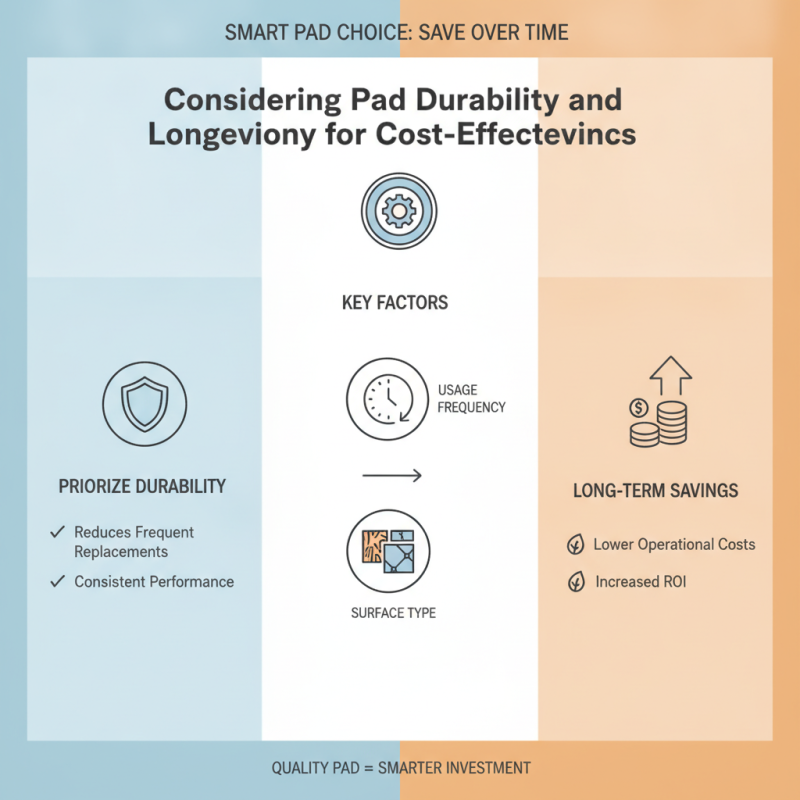
When selecting a floor polishing pad, durability and longevity should be top priorities. A pad that wears out quickly can lead to increased costs. Consider how often you’ll use the pad and the type of surfaces you'll be polishing. Investing in a quality pad can save money over time by reducing the need for frequent replacements.

Tips: Inspect pads for wear indicators. These signals tell you when to replace them. A well-maintained pad will polish more effectively and last longer.

While many choose pads based solely on price, consider the material. Softer pads may wear quicker on harder floors, resulting in regret later. A thorough understanding of pad specifications can help avoid such pitfalls.

Tips: Keep track of your pad's usage. This helps in determining its life cycle. Rotate between different pads based on condition and tasks to maximize their lifespan.

Assessing Compatibility with Your Floor Polishing Equipment

How to Choose the Best Floor Polishing Pad for Your Needs?

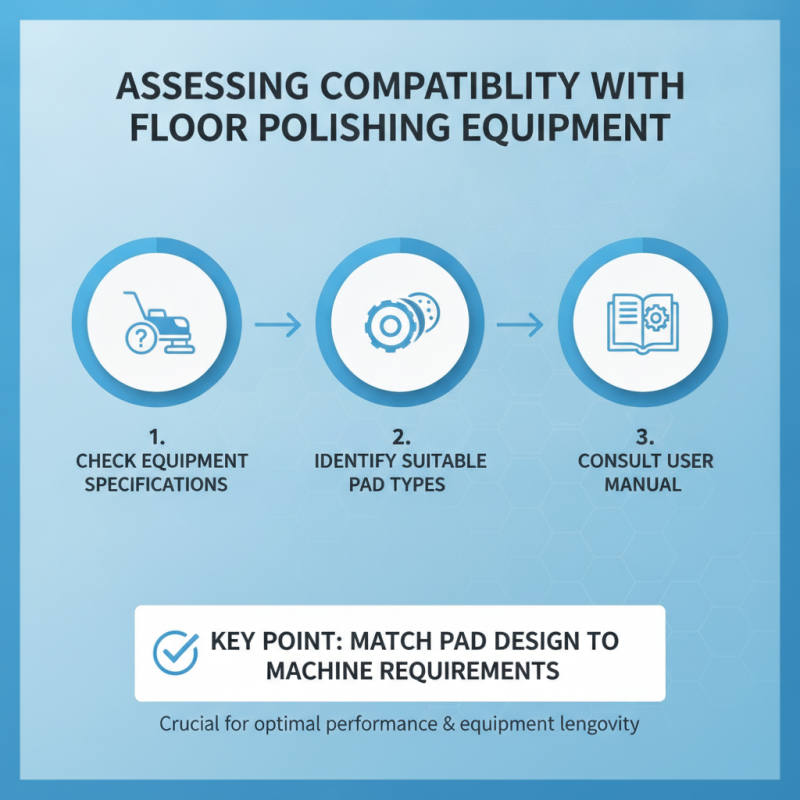
Choosing the right floor polishing pad is crucial. Compatibility with your floor polishing equipment is a fundamental aspect that requires careful assessment. Check your equipment’s specifications and find suitable pads designed for your machine. Most machines have user manuals that state compatible pad types.

Understanding the materials is essential. Different floors, such as hardwood or tile, require distinct polishing pads. A pad too rough may damage softer surfaces. A smoother pad might not achieve the desired shine on harder floors. Experiment with various options to see which performs well for your specific needs.

Tips: Always test a new pad on a small area first. This helps you gauge the outcome without damaging the entire surface. Take note of how the pad interacts with your equipment during the process. Observe any issues that arise; they may indicate incompatibility. Don't hesitate to seek advice from professionals in the field. Their experience can guide you toward making informed decisions. Sometimes it takes trial and error to find the perfect match.