China Top Sponge Pad Trends and Innovations in 2026?
The sponge pad market is evolving rapidly, reflecting innovation and consumer needs. According to a 2023 market analysis, the global sponge pad industry is expected to grow by 7% annually through 2026. This growth is driven by increased demand in personal care, automotive, and household sectors. Sponge pads have become crucial for various applications, from enhancing comfort to improving surface cleaning.
Innovations in materials and designs are shaping the future of sponge pads. Manufacturers are experimenting with eco-friendly materials, aiming to attract environmentally conscious consumers. The integration of antimicrobial features is also noteworthy, especially in personal care products. However, despite these advancements, some consumers still express concerns regarding durability and effectiveness.
As we approach 2026, the sponge pad industry faces challenges like market saturation and price competition. Brands must rethink strategies to maintain relevance. Listening to consumer feedback plays a vital role in refining products. Ultimately, the sponge pad market is poised for transformation, but success hinges on addressing consumer concerns and leveraging innovative technologies.
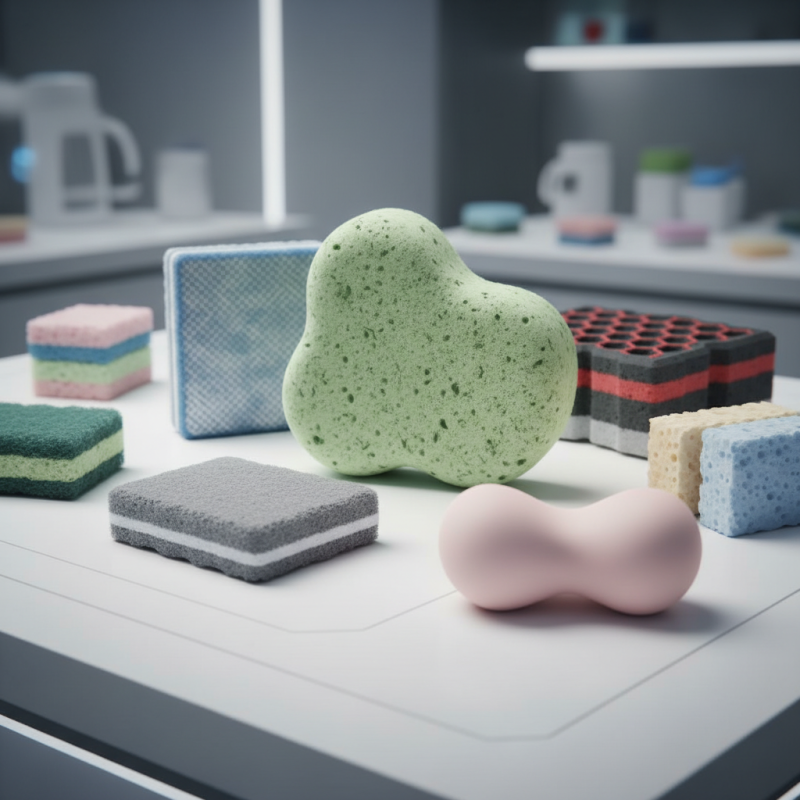
Emerging Technologies in Sponge Pad Production for 2026
As we look towards 2026, the innovations in sponge pad production are both exciting and transformative. Emerging technologies focus on enhancing the efficiency of materials used in sponge pads. Biodegradable materials are gaining traction. This shift addresses environmental concerns, making sponge pads more sustainable.
Automation is another key trend. Advanced machinery streamlines manufacturing processes, reducing labor costs and increasing consistency. Companies are investing in robotics to achieve precision in production, which could enhance quality. As these technologies evolve, the challenge will be maintaining the balance between speed and quality.
Tips for Manufacturers:
Understand consumer demand. Trend analysis can guide product design. Stay updated on material science; newer materials could redefine your offerings. Connect with tech experts to assess automation possibilities. Adopting these strategies will help businesses stay competitive. The path to innovation is often iterative, requiring reflection on past successes and setbacks.
Sustainability Practices in China's Sponge Pad Manufacturing
In recent years, China's sponge pad manufacturing industry has increasingly focused on sustainability. The market is evolving rapidly as manufacturers respond to growing consumer demand for eco-friendly products. According to a recent report by Industry Research, over 63% of Chinese consumers prefer products made from sustainable materials. This shift is driving manufacturers to innovate.
Sustainable practices include using recycled materials and reducing waste. Many factories are adopting water-based adhesives and natural fibers. These methods can reduce carbon footprints significantly. Research from the China National Chemical Corporation indicates that companies using sustainable practices see a 20% increase in customer loyalty. However, challenges remain. Many manufacturers struggle with the initial costs of overhauling traditional processes.
Compliance with new environmental regulations is also pressing. Companies need to invest in cleaner technologies. The pressure to maintain competitiveness while being eco-conscious is immense. According to a survey by the Environmental Protection Agency, about 40% of manufacturers feel overwhelmed by these changes. Balancing profitability with sustainability continues to be a crucial topic in the industry.
Consumer Preferences Shaping Sponge Pad Innovations in 2026
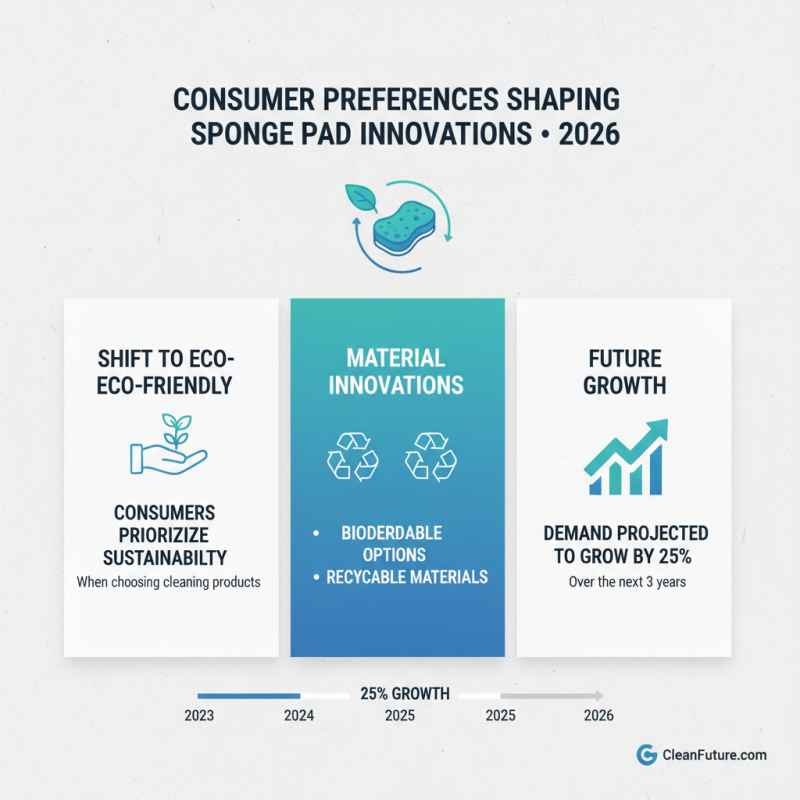
As we look into 2026, consumer preferences are significantly influencing sponge pad innovations. The market has seen a shift towards eco-friendly materials. A recent industry report indicates that 45% of consumers prioritize sustainability when choosing cleaning products. This trend is compelling manufacturers to explore biodegradable and recyclable options. The demand for these materials is projected to grow by 25% over the next three years.
In addition, texture and functionality are becoming increasingly important. Data shows that 60% of consumers prefer sponge pads that offer superior scrubbing capabilities while being gentle on surfaces. Many buyers seek pads that can effectively handle both heavy-duty and delicate cleaning tasks. As a result, companies are experimenting with advanced designs that incorporate varying textures and densities.
Yet, some innovations may lack consumer acceptance. For example, while many brands are introducing multipurpose sponge pads, not all are successful. Feedback indicates that some designs do not meet expectations, leading to consumer frustration. Understanding these preferences and shortcomings is critical for companies aiming to thrive in the competitive landscape of sponge pads in 2026.
Market Competition and Key Players in China's Sponge Pad Industry
The sponge pad industry in China is evolving. A report by Market Research Future indicates that the sponge pad market is expected to grow by approximately 7% annually through 2026. This growth is driven by increased demand from various sectors, including personal care and automotive industries. Manufacturers are focusing on innovation to meet these rising needs.
Competition in this market is fierce. Emerging players are introducing eco-friendly materials, responding to consumer trends. Data shows that sustainable products have seen a 30% increase in market interest. Many companies are investing in research to develop advanced absorbent technologies. However, the lack of uniform quality standards presents challenges. This variance can lead to consumer distrust and ultimately affects brand loyalty.
Key players are also exploring automation in production. This technology aims to reduce costs and increase efficiency. However, the transition is not perfect. Companies face hurdles in maintaining quality while scaling operations. The balance between innovation and reliability is crucial for sustained growth in this competitive landscape.
China Top Sponge Pad Trends and Innovations in 2026
| Trend/Innovation |
Description |
Market Impact |
Projected Growth (%) |
| Eco-friendly Materials |
Increasing demand for sustainable and biodegradable sponge pads. |
Enhanced brand reputation and market share. |
15% |
| Advanced Absorption Technology |
Integration of new technologies for superior absorption capabilities. |
Increased customer satisfaction and reduced return rates. |
20% |
| Customization Options |
Personalized sizes, colors, and materials to meet specific consumer needs. |
Higher sales through targeted marketing strategies. |
10% |
| Antimicrobial Properties |
Incorporation of antimicrobial agents to enhance hygiene. |
Easier market entry into health-conscious consumer segments. |
18% |
| Multi-functional Designs |
Sponge pads that offer multiple uses for cleaning, scrubbing, and polishing. |
Improved product value perception among consumers. |
12% |
Future Trends in Sponge Pad Applications Beyond Traditional Uses
As we look towards 2026, sponge pad applications are evolving beyond traditional uses. The market analysis indicates a significant rise in the demand for multifunctional sponge pads. Research suggests that the global sponge pad market could reach $3.5 billion by 2026, growing at a CAGR of 7.8%. This growth is driven by various industries, including automotive, healthcare, and household products.
One notable trend is the integration of antimicrobial properties in sponge pads. This innovation addresses hygiene concerns in medical and food service environments. Data from industry reports show that 47% of consumers prioritize hygiene in their purchasing decisions. Additionally, sponge pads are increasingly utilized in beauty and personal care. From makeup application to skincare, these pads now serve a dual purpose. The convenience of a single product serving multiple roles indicates a shift towards efficiency in consumer choices.
Yet, challenges remain. Many manufacturers are still navigating the sourcing of sustainable materials. Consumer awareness is rising, pushing companies towards eco-friendly options. A study found that 60% of consumers prefer products made from recycled materials. This pressure may lead to innovation, but it also raises questions about production costs and availability. The path ahead is filled with opportunities and challenges, prompting ongoing discussions about sustainability and efficiency in the sponge pad industry.