China Best Grinding Disc Types for Superior Performance and Durability?
In the competitive world of manufacturing, selecting the right Grinding Disc is crucial. According to the Global Abrasives Market Report 2023, grinding discs account for over 25% of the abrasives market share, highlighting their importance. Professionals in the industry stress that not all discs are created equal. John Smith, a leading expert at Abrasive Solutions Inc., states, "The performance and durability of a Grinding Disc can make or break a project's success."
When choosing a Grinding Disc, consider factors such as material composition and thickness. For instance, diamond discs excel in cutting hard materials, while resin-bonded discs are ideal for metalworking tasks. Understanding these differences is key to achieving superior results. However, even seasoned professionals sometimes overlook these details, leading to suboptimal performance.
The right Grinding Disc enhances efficiency and safety. Poor choices can result in excessive wear and even dangerous accidents. Industry leaders recommend regularly assessing disc wear and replacing them when necessary. In doing so, users can ensure they maintain optimal performance and longevity in their applications.
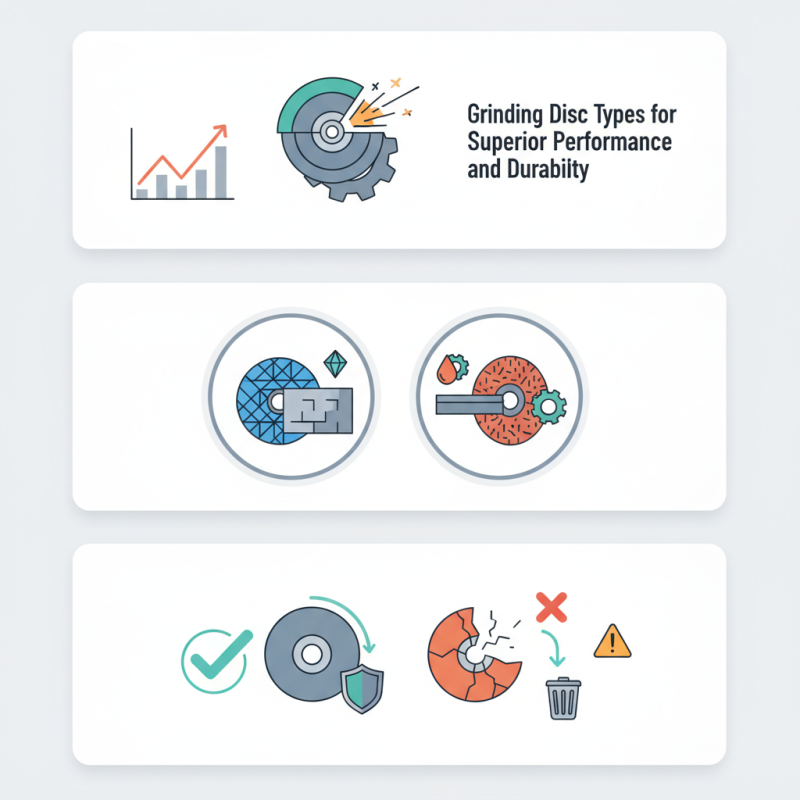
Understanding Different Types of Grinding Discs Available in China
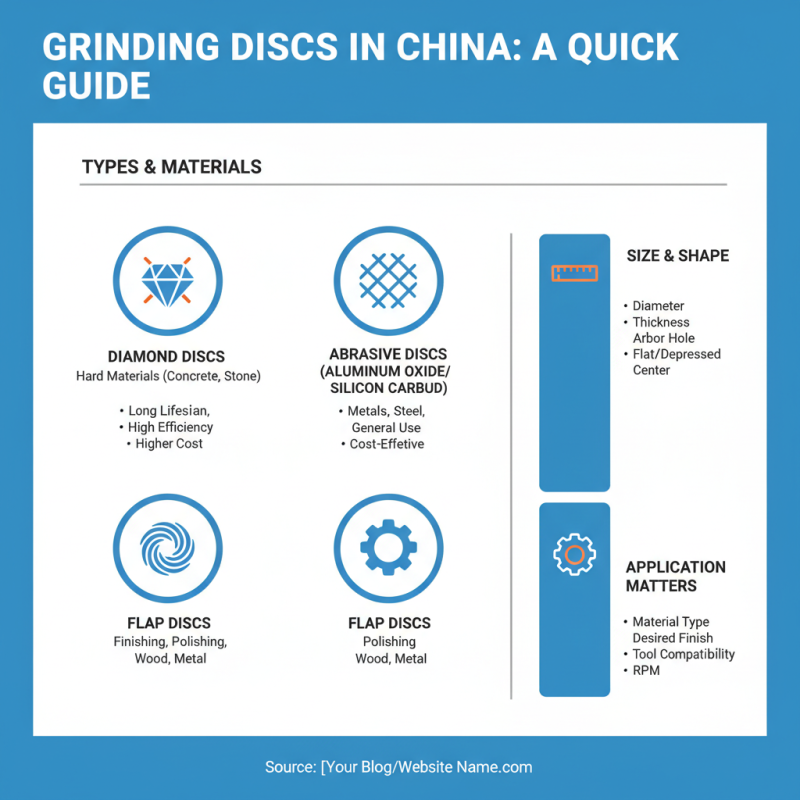
In China, a variety of grinding discs are available. These discs differ in material, size, and application. Understanding their unique properties can be vital for achieving superior performance. For instance, diamond grinding discs are excellent for hard materials. They provide a long lifespan and high grinding efficiency. However, they can be costly.
Another popular option is steel grinding discs. These discs are affordable and versatile. They work well for various tasks but wear out more quickly than diamond discs. Ceramic grinding discs are also common. They offer good precision and durability, making them suitable for detailed work. Yet, they can sometimes chip under heavy pressure.
When choosing a grinding disc, consider the specific requirements of your project. Each type has its strengths and weaknesses. Often, people overlook the importance of matching the disc to the material. This might lead to unsatisfactory results or increased costs. Experimenting with different types can help improve your skills. However, it takes time and practice to find the best fit.
Key Factors Influencing Grinding Disc Performance and Durability
When evaluating grinding discs, several key factors significantly impact performance and durability. One of the most critical elements is the material composition of the disc. Diamond and ceramic discs are known for their longevity, while resin-bonded discs may wear out faster. A recent industry report indicates that diamond discs can outperform conventional ones by up to 50% in terms of lifespan.
Another important factor is the bonding agent used in the grinding disc. For instance, a strong bond can resist heat and pressure better, thus prolonging the disc's effective life. However, too strong a bond might lead to a less flexible disc, which can break under stress. Balancing these aspects is vital to optimize performance. Findings show that discs designed with a tough resin bond can enhance performance by 30% compared to weaker options.
Understanding the right grit size plays a pivotal role too. Finer grits achieve a smoother finish, but they may require more time and pressure, potentially overheating the disc. Conversely, coarse grits are efficient for heavy material removal but can leave marks. Industry standards suggest that for general applications, a grit size between 60 and 120 is optimal. Awareness of these factors enables users to select discs tailored to specific tasks, promoting efficiency and durability in grinding operations.
Comparative Analysis of Material Composition in Grinding Discs
When choosing grinding discs, material composition plays a crucial role. Different materials yield varying performance levels and durability. Common compositions include aluminum oxide, silicon carbide, and diamond. Aluminum oxide is versatile, suited for steel and stainless steel. Silicon carbide is excellent for harder materials like ceramics and glass. Diamond discs, while more expensive, offer unmatched durability for specific applications.
Tips: When selecting a grinding disc, consider the material of both the workpiece and the disc. This match guarantees efficient grinding and longer tool life.
Another factor to consider is the bond type used in grinding discs. Vitrified bonds provide strength but may be brittle. Resin bonds offer flexibility, making them suitable for contouring and producing a finer finish. Each bond type affects both performance and lifespan. Keep in mind that not all combinations yield optimal results. Testing different types can reveal which works best for your specific needs.
Tips: Keep track of which discs perform well with different materials. Documenting these observations helps refine your future selections. It’s a valuable exercise that can lead to better productivity and results.
China Best Grinding Disc Types for Superior Performance and Durability
| Grinding Disc Type |
Material Composition |
Performance Rating |
Durability Rating |
Applications |
| Alumina Oxide Disc |
Alumina Oxide |
8/10 |
7/10 |
Metalworking, Woodworking |
| Silicon Carbide Disc |
Silicon Carbide |
9/10 |
8/10 |
Glass, Ceramic, Plastic |
| Diamond Disc |
Diamond Particles |
10/10 |
9/10 |
Stone, Concrete, Asphalt |
| Zirconia Disc |
Zirconia Alumina |
8/10 |
9/10 |
Stainless Steel, High-Strength Alloys |
| Aluminium Oxide Fiber Disc |
Aluminium Oxide on Fiber Backing |
7/10 |
6/10 |
General Purpose, Light Grinding |
Applications of Various Grinding Disc Types in Industry
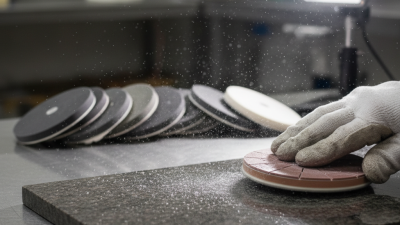
Grinding discs play a crucial role in various industrial applications. Choosing the right type can significantly affect efficiency and outcomes. For instance, resin-bonded discs are favored in metal fabrication, providing flexibility and a fine finish. In concrete flooring, diamond discs excel, delivering durability and longevity. Their ability to cut through tough materials makes them indispensable in construction projects.
Tips: Selecting the right grit size is vital. Coarser grit removes material quickly, while finer grit yields smoother finishes. Consider your specific requirements.
Ceramic grinding discs are making waves in the automotive industry. They offer consistent performance even under high temperatures, which helps maintain the quality of machined parts. However, they can be more expensive and may require careful handling.
Tips: Regular inspection of discs can prevent downtime. Look for signs of wear or damage before use. Proper maintenance extends the life of your equipment.
Lastly, not all grinding discs are suitable for every task. Misuse can lead to inefficiencies or hazards. Understanding the specifications of each type is essential for safe operation.
Tips for Choosing the Right Grinding Disc for Specific Tasks
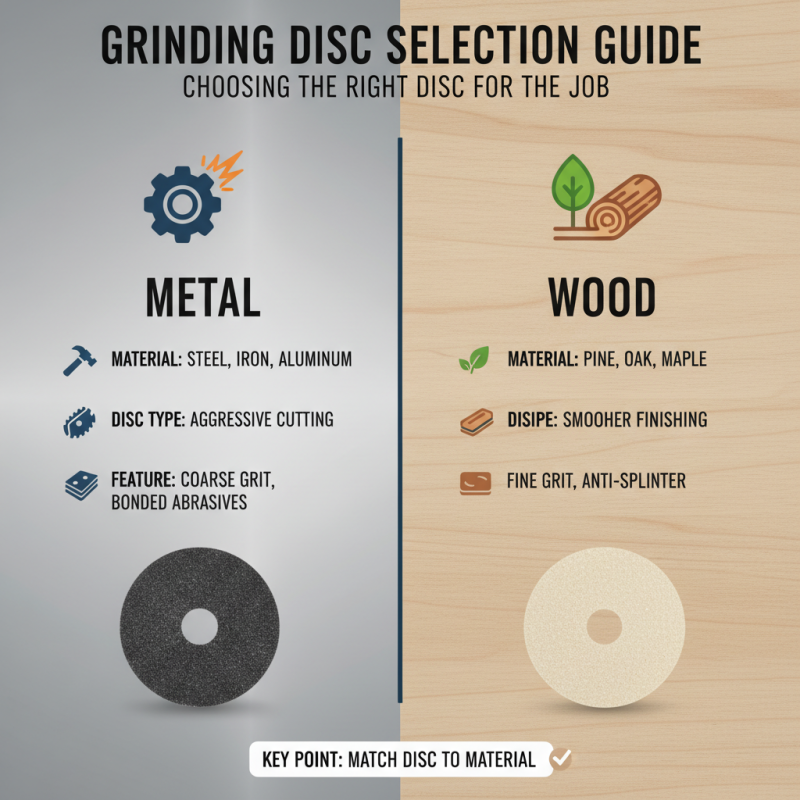
When selecting the right grinding disc, consider the material you will be working on. Different materials require specific types of discs. For metal, choose a disc designed for aggressive cutting. For wood, a smoother disc is preferable to avoid splintering.
Tips for choosing the right grinding disc: First, assess the task's complexity. A simple task may require a basic disc, while intricate tasks benefit from specialized discs. Check the grit size as well. Finer grits offer smoother finishes, while coarse grits remove material faster.
Always prioritize safety. Ensure the disc is compatible with your grinder. Misalignment can lead to accidents. Do not overlook your experience level with grinding. New users might struggle with advanced discs, whereas beginners should start with general-purpose options. This careful selection process impacts performance and durability. Reflect on previous projects to guide your choice effectively.