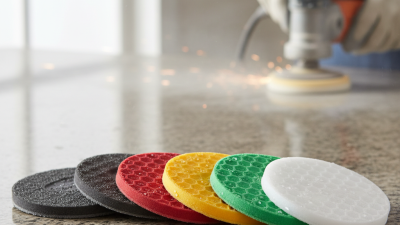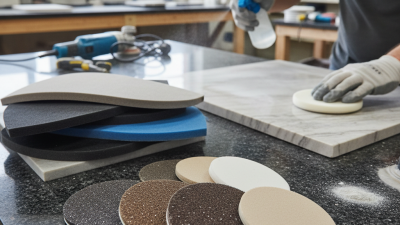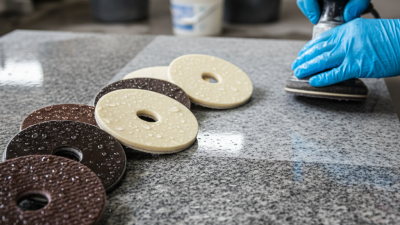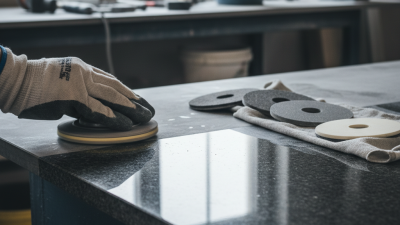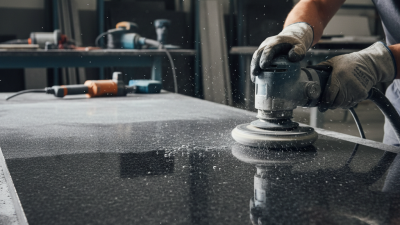


When it comes to achieving a flawless finish on surfaces, the choice of tools is essential. The Dry Diamond Polishing Pad stands out as a premier option for both professionals and DIY enthusiasts. These pads offer exceptional results on various materials, including granite, marble, and concrete. Their efficiency is impressive, as they allow for quick surface treatment without the mess of water. However, it’s crucial to understand that not all pads are created equal.
Selecting the right Dry Diamond Polishing Pad requires careful consideration of several factors. Different pads serve different purposes, and choosing the wrong one can lead to unsatisfactory results. Price varies significantly among options, which can be misleading. Some affordable pads may offer decent performance initially, but longevity is often a concern. Investing in higher-quality pads could save you money in the long run.
In your search, look for detailed reviews and buying guides to inform your decision. Insights from previous users can highlight potential shortcomings you might overlook. Remember, the goal is to find a balance between performance and cost-effective solutions.
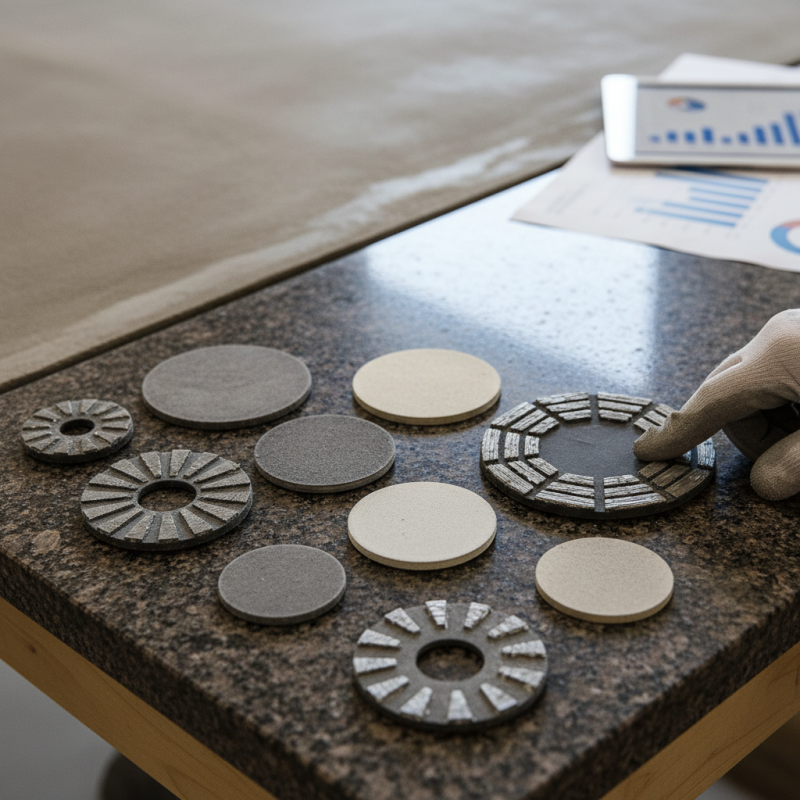
When selecting dry diamond polishing pads, several key features must be considered. These pads are essential for achieving a superior finish on various surfaces, particularly for stone and concrete. The grit size is crucial; finer grits are used for polishing, while coarser grits serve for grinding. Industry reports indicate that using the correct grit can reduce polishing time by up to 30%. Durability is another vital factor. High-quality pads typically last longer, providing a better return on investment.
Pay attention to the pad's bonding type. The bond influences the pad's performance on different materials. Some pads are designed for aggressive removal, while others excel in achieving a high-gloss finish. Proper usage can increase the pad's lifespan significantly. Many professionals suggest wetting the surface when using these pads to enhance their efficiency.
Tips for choosing the right pad include assessing your specific project needs. Not all pads suit every situation. Consider the surface condition before purchasing. Test various pads to find the best fit; not every option will deliver your desired results. Also, ensure you maintain your pads properly. Cleaning them after use can extend their life. Even minor neglect can lead to decreased performance, reflecting the importance of care in professional settings.
| Pad Type | Diameter | Grit Size | Application Surface | Durability | Price (USD) |
|---|---|---|---|---|---|
| Concrete | 4 inches | 50 | Concrete Floor | High | 15.00 |
| Granite | 5 inches | 100 | Granite Countertops | Medium | 22.50 |
| Marble | 7 inches | 200 | Marble Floors | Medium | 30.00 |
| Ceramic | 6 inches | 400 | Ceramic Tiles | Low | 25.00 |
| Polished Concrete | 4 inches | 300 | Polished Surfaces | High | 18.00 |
When selecting dry diamond polishing pads, it's crucial to understand grit levels. Grit measures the pad's coarseness and affects the finish quality. Typically, lower grit numbers (30-100) are for faster material removal. They are aggressive but can leave scratches. Higher grits (200-3000+) polish surfaces finely. They’re best for achieving a glossy finish.
Different applications require specific grit levels. For instance, a concrete surface may need a lower grit for initial grinding. In contrast, marble polishing demands higher grits for that brilliant shine. It’s essential to match the grit with the material type and desired outcome. Using an inappropriate grit can lead to unsatisfactory results.
Sometimes, users choose the wrong pad inadvertently. This could result in uneven surfaces or longer work times. Understanding the nuances in grit can prevent this, leading to a smoother workflow. Mistakes can serve as learning opportunities. Trial and error often lead to better selections in future projects. Choosing wisely minimizes frustration and enhances effectiveness.
When selecting dry diamond polishing pads in China, it's crucial to compare their performance metrics. Pay attention to grit levels, which significantly impact the polishing process. Finer grits yield smoother finishes, while coarser grits can remove material more aggressively. Keep in mind that not all pads are created equal. Some may underperform, leaving scratches or requiring excessive pressure.
The durability of polishing pads varies widely. Some may wear down quickly, while others last longer under regular use. Users must consider the type of surface they’ll be polishing. Natural stone, concrete, or engineered surfaces may require different pad specifications. A quick test can reveal whether a pad suits your needs.
**Tip:** Always check user reviews before purchase. Gauge how the pads perform in real-world scenarios.
**Tip:** A trial run on a small surface can help you understand the pad's effectiveness.
Ultimately, taking time to evaluate these metrics ensures a more successful polishing experience.
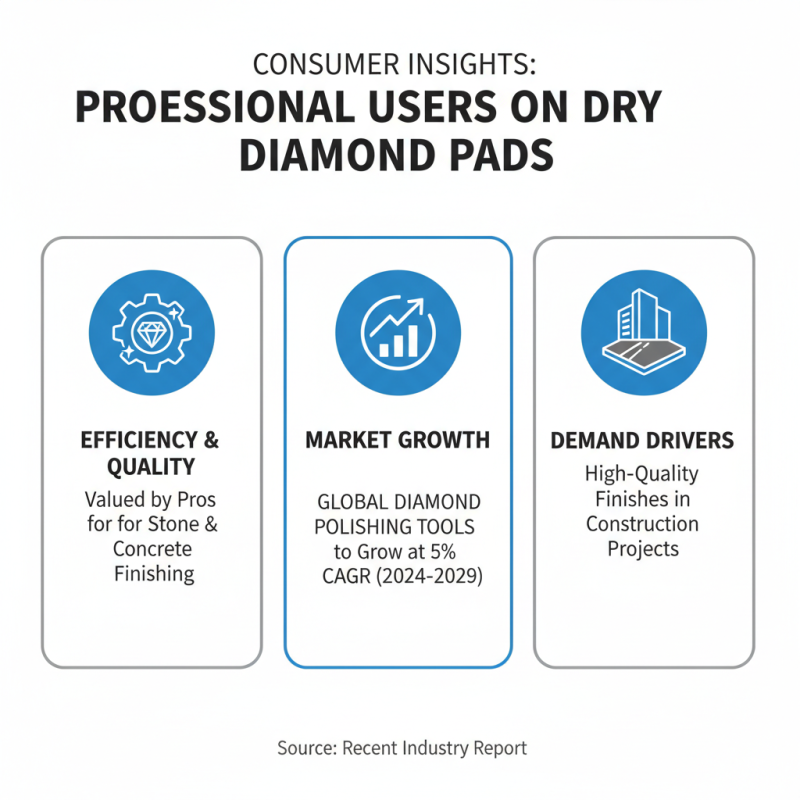
In the world of stone and concrete finishing, dry diamond polishing pads have gained significant traction. Professional users appreciate their efficiency and quality. A recent industry report indicates that the global market for diamond polishing tools is expected to grow at a CAGR of 5% over the next five years. This growth is largely driven by increased demand for high-quality finishes in construction projects.
User feedback highlights that many professionals prefer dry pads for their convenience. They can be used without water, reducing mess and cleanup time. However, some users express frustration with the durability of certain products. Cheaper options may wear out quickly or fail to deliver desired finishes. Research has shown that 70% of professional users in the industry recommend investing in higher-quality pads for better results.
A survey indicated that while 85% of users see improved polishing speeds, 45% experienced issues like streaking or uneven finishes. Users mention that technique plays a huge role in achieving optimal results. Some professionals suggest additional training for effective use of these tools. A well-rounded knowledge of the product can enhance performance and alleviate common frustrations.
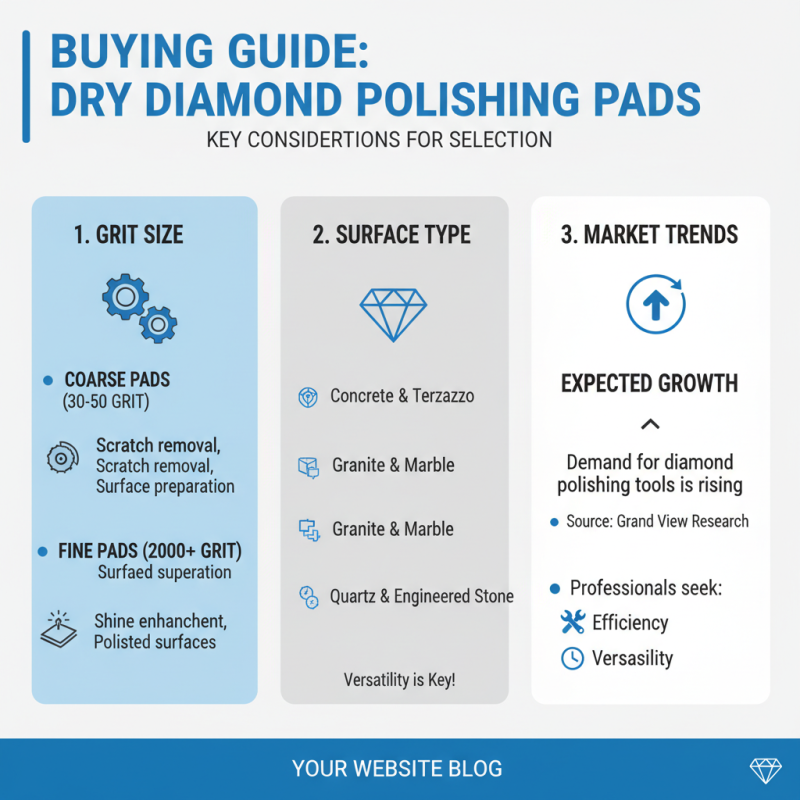
When selecting dry diamond polishing pads, consider the grit size. Each grit level offers distinct results for various surfaces. Coarse pads (30-50 grit) remove scratches and prepare the surface well. Fine pads (2000 grit and above) enhance the shine on polished surfaces. According to a market analysis by Grand View Research, the demand for diamond polishing tools is expected to grow significantly. Professionals seek versatility and efficiency in these products.
Durability is another critical factor. High-quality diamond pads typically last longer, particularly during extensive use. Industry reports indicate that pads with better bonding technology can last up to 50% longer than their lower-quality counterparts. Always check user reviews. They reveal insights that data cannot capture. Sometimes, marketed products have performance inconsistencies.
Finally, compatibility with the polishing machine is essential. Not all pads fit every machine. Using the wrong pad can hinder performance. It's vital to ensure your machine's specifications match the pad's design. In some cases, users overlook this detail. They end up frustrated with ineffective results. An informed decision can save time and effort.