How to Buy Polished Diamonds at the 139th Canton Fair?
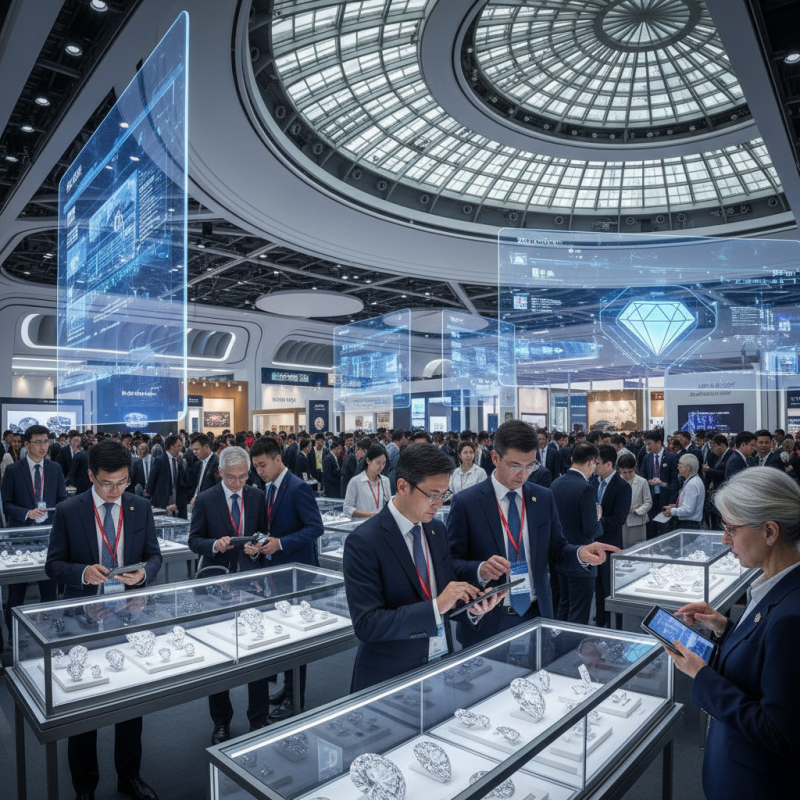
The 139th Canton Fair is a pivotal event for purchasing polished diamonds in 2026. With advanced manufacturing and electronic appliances in focus, the fair also provides a platform for luxury items, including polished diamonds. Industry expert Dr. Emily Hart, a leading gemologist, notes that “The right venue can profoundly impact a buyer's choices.”
According to the Global Diamond Report, the polished diamonds market continues to see steady growth, projected to reach $100 billion by 2025. The fair's introduction of AI search and navigation will enhance supplier discovery. Buyers can filter vendors based on certifications like ISO and CE.
Navigating 155,000 square meters of exhibition space can be daunting. However, utilizing AI tools may create an efficient path. Yet, even with technological advancements, some buyers may overlook quality for price. Paying attention to the details in diamond certification is essential. This fair represents a blend of tradition and innovation in the polished diamonds industry. Being well-prepared can make all the difference.
Understanding the Basics of Polished Diamonds at the Canton Fair
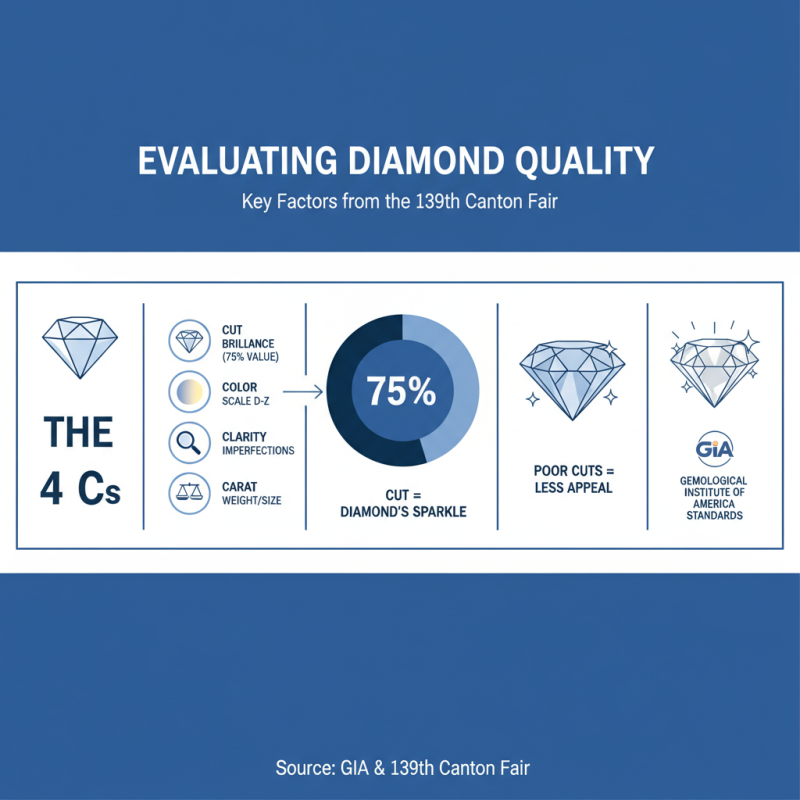
When attending the 139th Canton Fair, understanding polished diamonds is essential. A polished diamond is one that has been cut and shaped to enhance its beauty. It’s vital to inspect the cut, color, clarity, and carat weight. These four Cs are the benchmarks for quality. Each diamond tells a story through its unique characteristics.
When examining the diamonds, pay attention to the cut. A well-cut diamond reflects light beautifully. However, not all cuts are perfect. Some diamonds may have minor flaws. These imperfections can affect their sparkle. Choose wisely, as even small details matter greatly in the final buying decision.
Consider the color as well. Diamonds come in a range of colors, from colorless to light yellow. The variations can impact their value. Some buyers affectionately seek a more colored option. They might find beauty in the uniqueness of hues. But don't rush. Take your time to find the right one that suits your taste and budget.
How to Buy Polished Diamonds at the 139th Canton Fair
| Dimension |
Details |
| Carat Weight |
0.5 - 3.0 Carats |
| Cut |
Ideal, Excellent, Good |
| Color |
D to Z Scale |
| Clarity |
IF to I3 |
| Certification |
GIA, AGS, EGL |
| Price Range |
$1,000 - $30,000+ |
| Popular Shapes |
Round, Princess, Emerald |
| Buying Tips |
Inspect Certificates, Compare Quality |
Identifying Reliable Vendors for Polished Diamonds at the Fair
When attending the 139th Canton Fair, identifying reliable vendors for polished diamonds is crucial. Many vendors might appear trustworthy at first glance, but appearances can be misleading. Look for vendors who engage in meaningful conversation and provide clear information about their products. Ask about their sourcing practices and certifications.
It's essential to examine the diamonds closely. Check for quality features like cut, color, and clarity. Ask for documentation, such as certificates from recognized gemological laboratories. If a vendor hesitates to share this information, it’s a red flag. Trust your instincts; if something feels off, consider walking away.
Building rapport can also help you gauge a vendor's reliability. Observe how they treat their staff and customers. Reliable vendors are often transparent with pricing and willing to negotiate. Be prepared to walk away if the vendor pressures you into a quick decision. In the diamond market, patience is vital.
Evaluating Diamond Quality: Important Factors to Consider
When buying polished diamonds at the 139th Canton Fair, evaluating quality is essential. The value of a diamond primarily hinges on the "Four Cs": Cut, Color, Clarity, and Carat weight. According to the Gemological Institute of America, nearly 75% of a diamond’s value is determined by its cut, which influences brilliance and sparkle. Poor cuts can diminish a diamond's overall appeal, making even high-quality stones look lackluster.
Color is another significant factor. Diamonds range from colorless to light yellow or brown. GIA grades color on a scale from D (colorless) to Z (light yellow). Statistically, colorless diamonds account for only 25% of the market. This rarity can drive up prices. Understanding these grades can enhance value assessment.
Clarity indicates the presence of internal or external flaws. A diamond with fewer imperfections typically fetches a higher price. However, many buyers overlook minor inclusions that might not be visible to the naked eye. A report from De Beers states that clarity can affect sales significantly, with 63% of consumers willing to pay more for higher clarity grades. Reviewing these elements can sometimes lead to purchasing choices that may not yield maximum satisfaction.
Negotiation Tips for Buying Diamonds at the Canton Fair
Negotiating to buy polished diamonds at the 139th Canton Fair can be a rewarding experience. It's vital to approach vendors with knowledge and strategy. Reports indicate that polished diamond prices increased by 3% in 2023. Being informed about market trends underscores your seriousness as a buyer.
When negotiating, clarity is essential. Clearly define your budget before engaging with sellers. Do not hesitate to ask for certifications. These documents can prove the authenticity of the diamonds. Establish your preferred sizes and shapes in advance. This focus will guide your discussions effectively.
Tip: Always be prepared for counteroffers. Many sellers expect some back and forth. Test their limits, but remain reasonable. Also, remember that building rapport can lead you to better deals. Often, a friendly chat can result in a favorable price adjustment. It’s a delicate balance between assertiveness and amiability.
Consider possible variations in quality, as not all diamonds are the same. Some might lack brilliance or come with inclusions. Always examine the stones closely. Ask about the grading and ensure you understand the specifications clearly. This step can significantly influence your purchase outcome and satisfaction.
Post-Purchase Considerations: Certifications and Documentation
When buying polished diamonds at the 139th Canton Fair, it's crucial to consider certifications and documentation. A diamond's value is largely determined by its certification. Look for reputable grading reports from well-known gemological laboratories. They provide essential details like carat weight, clarity, color grade, and cut quality. Ensure the document includes a unique identification number. This number links the diamond to its grading report.
Tip: Check for laser inscriptions on the girdle of the diamond. This can confirm authenticity without compromising the stone’s beauty. It's an extra layer of security that buyers often overlook. Remember, not all certifications are created equal. Some may lack thorough evaluations.
Verify the paperwork before finalizing your purchase. Certificates should be easy to understand. If something seems off, don’t hesitate to ask questions. Sometimes, sellers might provide vague explanations. Look for consistency in information across documents too. If you feel unsure, it might be wise to reconsider.
Tip: Always request a return policy in writing. This will help in case the diamond doesn’t meet your expectations. Keep all documents organized and safe. A lack of proper documentation can lead to complications later. Making informed choices is vital in diamond purchasing.
Polished Diamonds Quality Comparison at the 139th Canton Fair