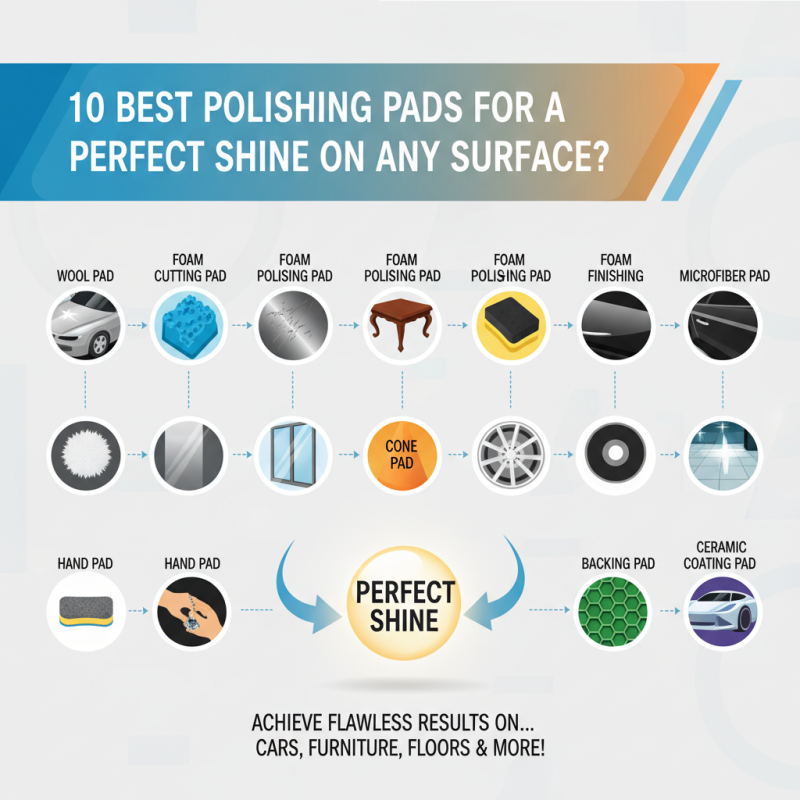
10 Best Polishing Pads for a Perfect Shine on Any Surface?
Achieving a brilliant shine on various surfaces can be challenging. The right tools make a significant difference. Among these tools, polishing pads stand out as essential for optimal results. They come in various materials and designs, making them versatile for different tasks.
Polishing pads can restore the gloss on cars, furniture, and even floors. Each type offers unique benefits for specific surfaces. For instance, a softer pad works well on delicate finishes, while a more aggressive pad tackles rough surfaces effectively. However, selecting the perfect polishing pad can be daunting, and not all options perform as expected.
Some users may find that their pads wear out quickly or fail to deliver the shine they hoped for. It’s crucial to research and understand which pads work best for your needs. By choosing wisely, you can enhance your polishing experience and achieve that sought-after glow on any surface.
Understanding the Different Types of Polishing Pads Available
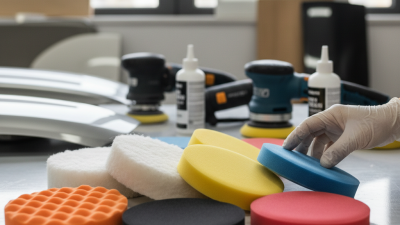
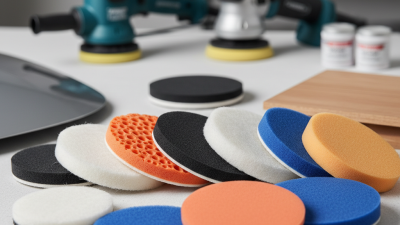
When it comes to achieving that perfect shine, understanding polishing pads is essential. There are various types available, each suited to different surfaces and purposes. Foam pads are popular for their versatility. They come in various densities, which affect the level of polishing and finishing. Softer foam pads are great for applying wax or sealant. Denser pads are ideal for more aggressive cutting and polishing.
Wool pads are another option. They are effective for heavy correction jobs, as they cut through imperfections quickly. These pads tend to leave behind a bit more haze, which may necessitate a second polishing step. According to industry reports, using the right pad can improve efficiency by up to 25%, giving you more time to focus on fine-tuning the finish.
Tip: Always match the pad to the product you are using. This simple step can optimize your polishing results and save you time. If you find excessive swirl marks or hazing, it might be due to mismatched pads. Experimenting with different types can lead to better understanding and improved performance. Do not hesitate to document your findings. Taking notes on which pads work best with which products can streamline your future projects.
Key Features to Consider When Choosing Polishing Pads
When choosing polishing pads, consider the material. Foam, microfiber, and wool are common options. Each has unique properties. For example, foam pads work well on smooth surfaces. Microfiber pads excel at detailing and correcting paint flaws. Wool pads can tackle heavier imperfections but may leave a slight haze.
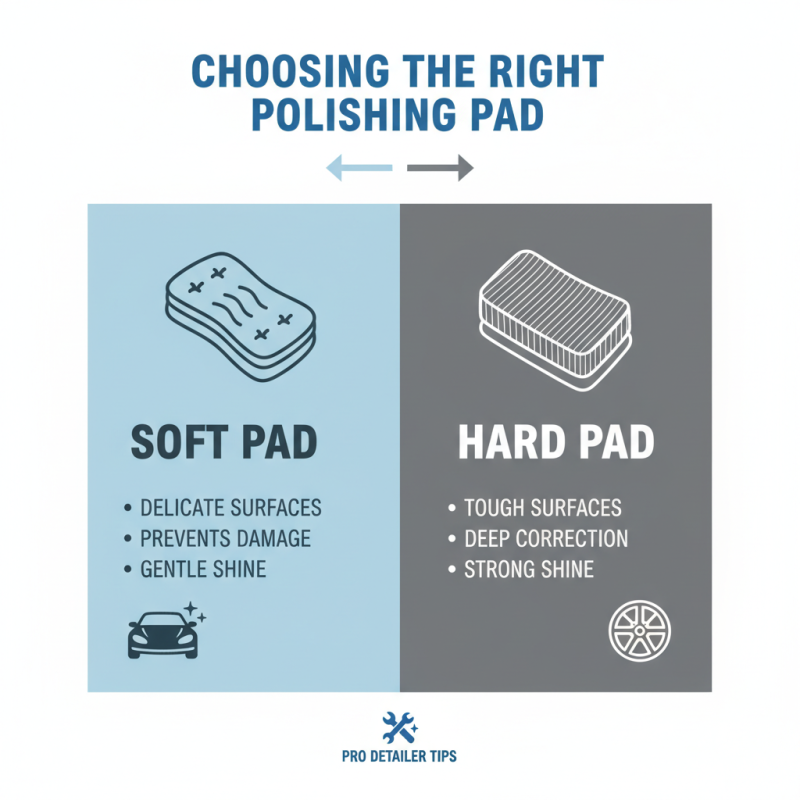
Another vital factor is pad density. Soft pads are ideal for application and polish spreading. Medium-density pads provide balance between cutting and finishing. Hard pads can handle tough jobs but may cause swirl marks if not used carefully. According to a recent industry report, using the right pad can improve finish quality by up to 40%.
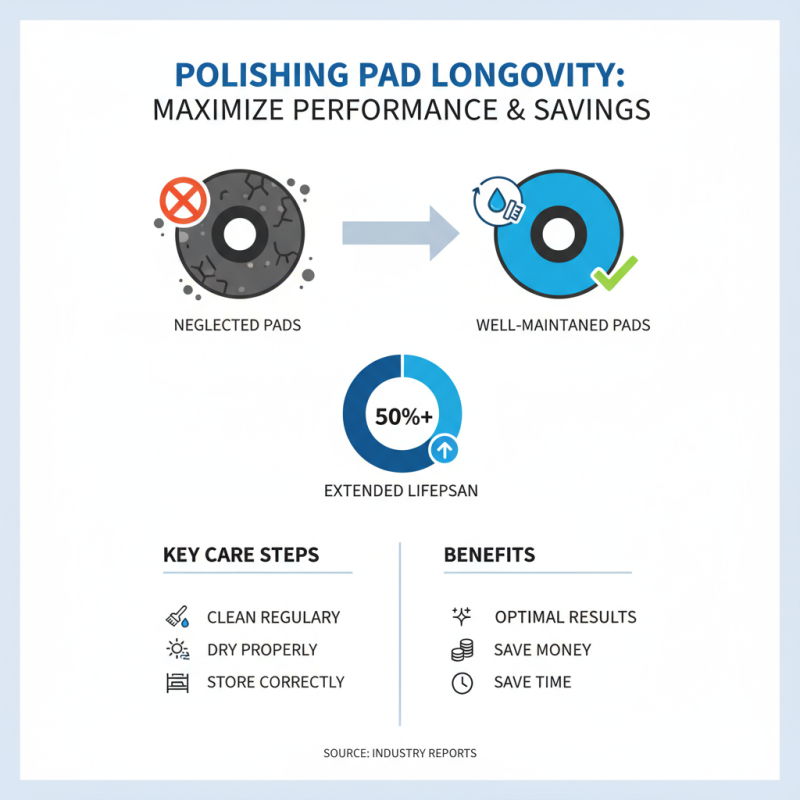
A tip for achieving the best results: always clean your pads after each use. Dirty pads can transfer contaminants and lead to imperfect finishes. It’s also essential to match the pad size to your tool's backing plate. Mismatched sizes can decrease effectiveness and lead to uneven results. Be mindful of these details and avoid shortcuts that may compromise your work. Remember, perfection takes practice and patience.
Top 10 Polishing Pads for Various Surfaces Reviewed
Choosing the right polishing pad can significantly affect the finish of any surface. With so many options available, it’s crucial to find the right match for your specific needs. Different materials cater to various surfaces, such as paint, metal, or wood. For fragile surfaces, a softer pad will help prevent damage while providing a decent shine. A harder pad can work wonders on tougher surfaces but may leave marks if not used carefully.
It's easy to overlook the importance of proper technique when using polishing pads. Many users rush through the process and wonder why results aren’t satisfactory. You don’t want to apply too much pressure; it can cause swirl marks or uneven finishes. Take your time and adapt your approach based on the pad and surface. Experiment with different speeds and angles to find what works best. The quest for perfect shine is sometimes more about the process than the product itself. Pay attention to these details for better outcomes.
Comparison of Polishing Pad Materials and Their Durability
When selecting polishing pads, understanding the materials is crucial. Different pad materials offer varying durability and performance. For instance, foam pads are popular for their versatility. They are known for their softness and ability to adapt to different surfaces. However, they may wear out quicker than harder materials.
Wool pads, on the other hand, provide a robust option. They can handle heavier compounding jobs and have a longer lifespan under intense use. Reports indicate that wool pads can last up to 50% longer than foam pads in heavy-duty applications. Yet, they also require more maintenance to keep them in optimal condition.
Tips: Regularly inspect your pads for wear. A worn pad won’t yield the best shine. Consider using different materials for various tasks. This approach not only improves results but also helps in achieving that perfect finish. Keep an eye on the compatibility of the pad with the polish being used. The right combination can enhance the polishing experience significantly. Remember, the ideal pad depends on the surface type and desired outcome. Overlooking these aspects may lead to less-than-satisfactory results.
Comparison of Polishing Pad Materials and Their Durability