Best Floor Polishing Pad Options for a Perfect Shine?
When it comes to achieving a perfect shine on your floors, the choice of floor polishing pad plays a crucial role. Industry expert John Smith, a recognized authority in floor care, states, "Choosing the right floor polishing pad can transform your cleaning routine." The market offers a variety of options, each designed for specific surfaces and finishes.
Many consumers often overlook the importance of selecting the right floor polishing pad. A poor choice can lead to subpar results, leaving floors dull and lifeless. For instance, using a pad meant for hardwood on tile surfaces might not yield the desired shine. It's essential to match your floor type with the correct pad material and grit level.
While some pads promise instant results, they can sometimes disappoint. The right combination of technique and pad selection is vital. Furthermore, improper maintenance of pads can significantly impact their effectiveness and longevity. Taking the time to select and care for your floor polishing pad can make all the difference in achieving that desired gleam.
Understanding Floor Polishing Pads: Types and Materials
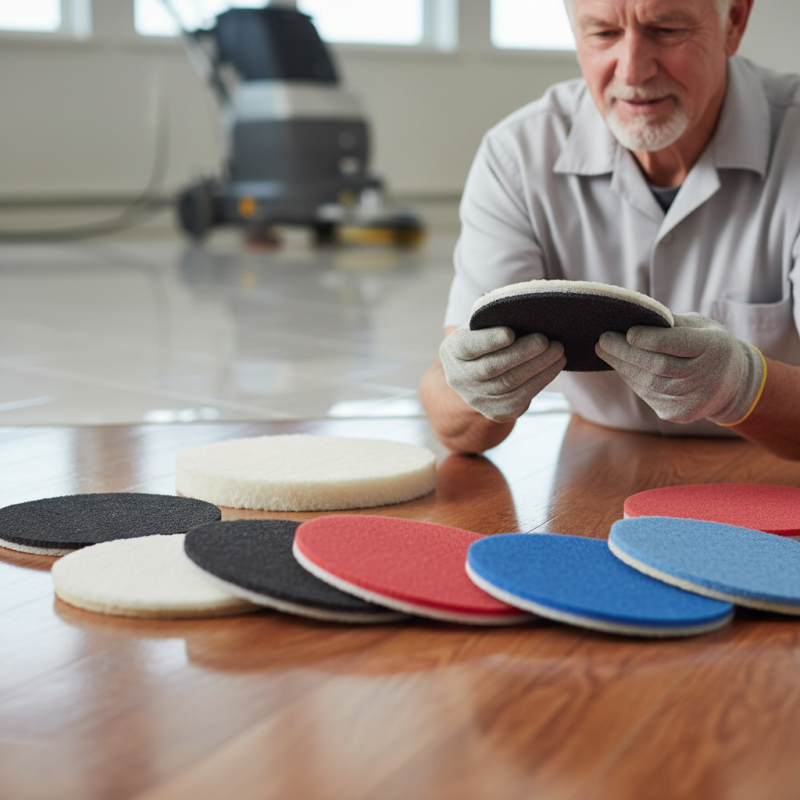
Floor polishing pads come in various types. Each type serves a different purpose based on the floor material. Choosing the right pad is key to achieving that perfect shine.
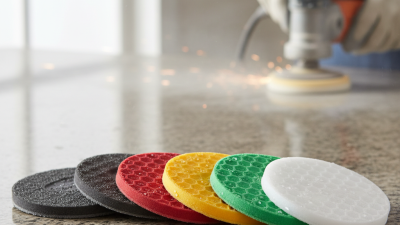
One common type is the diamond polishing pad. These pads are ideal for concrete and stone floors. They provide a brilliant finish but can often wear down quickly. Another option is the microfiber pad, which is great for hardwood floors. Its softness prevents scratches. However, it may not achieve the same shine as a diamond pad, leaving room for improvement.
Materials also matter significantly. Foam pads are lightweight and easy to use. They work well for general cleaning but may lack durability. On the other hand, felt pads are robust and provide a great shine. Yet, they can be more challenging to clean. Finding the right balance between materials and types can be tricky, requiring some trial and error. Not every attempt will lead to perfection; the learning process is essential.
Best Floor Polishing Pad Options
Choosing the Right Size and Thickness for Your Floor Polishing Needs
When choosing a floor polishing pad, size and thickness are crucial. The right size ensures a good fit for your buffer. If the pad is too small, it won't cover the area properly. On the other hand, an oversized pad can be cumbersome and difficult to maneuver. Thus, measure your equipment before selecting a pad.
Thickness also plays a significant role. Thicker pads provide more cushioning, which is beneficial for uneven surfaces. However, a pad that is too thick may absorb too much product. This can lead to uneven polishing. Consider the type of flooring as well. Different surfaces require different thicknesses to achieve the best results.
Tips: Always test a small area before proceeding with the entire floor. This helps identify any potential issues. Pay attention to how the pad performs. A pad that seems effective may wear out quickly. Check for signs of wear after each use. Adjust your choice as needed to maintain that perfect shine.
Evaluating Performance: Factors Affecting Shine and Longevity
When choosing floor polishing pads, several factors significantly influence performance. The material of the pad plays a critical role in determining the shine.
For example, foam pads might deliver a softer finish, while microfiber can provide a deeper gloss. However, the choice often leads to complications.
A pad that shines brilliantly may not last long.
Another element affecting shine is the cleaning solution. The right chemical can enhance the pad's performance.
However, overuse of certain products can leave residue. This buildup may dull the surface over time, creating an uneven appearance.
Recognizing this trade-off is important. Experimentation is often needed to find the right balance.
Pad maintenance is also essential for longevity. Regular inspection for wear and tear can prevent unwanted scratches. It's easy to overlook this step.
A worn pad can detract from the luster you achieve.
Every cleaning session requires consideration of these details. Embracing imperfections in the process can lead to better results.
Step-by-Step Guide to Using Floor Polishing Pads Effectively
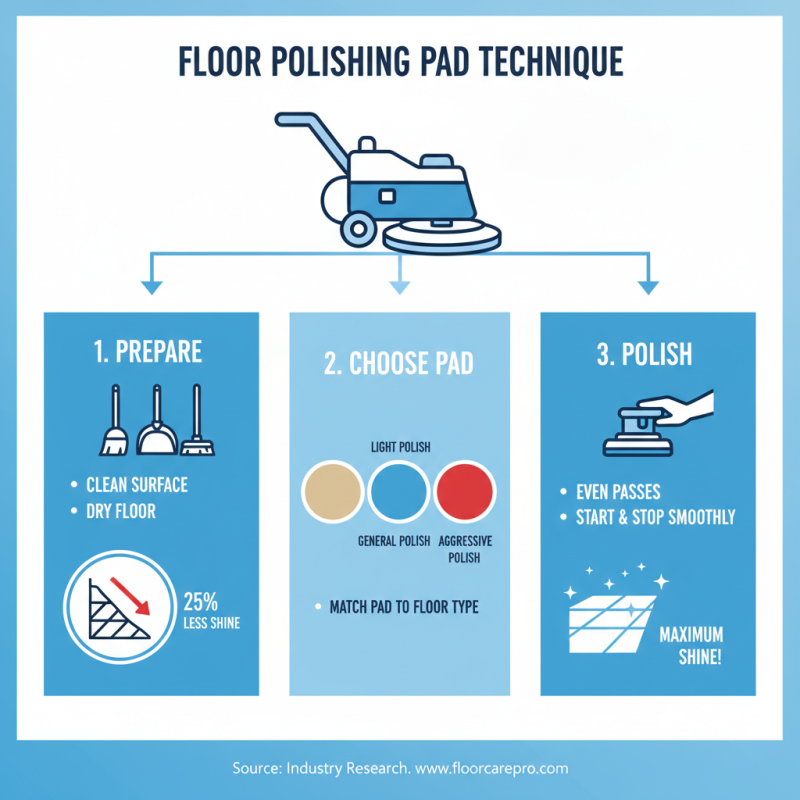
When using floor polishing pads, choosing the right technique is crucial. Start with a clean surface. Dust and debris can create scratches. According to industry research, improperly prepared surfaces can lead to a 25% decrease in shine. Vacuum or sweep thoroughly. A damp mop may help as well. Make sure the floor is completely dry before starting the polishing process.
Apply the polishing pad at a consistent speed. Many users struggle with speed control. If you go too fast, the results may be uneven. Maintainers often recommend 1-2 feet per second for best results. Don't forget to check your equipment regularly. Worn pads can reduce effectiveness by up to 40%. Experiment with different pad types for various surfaces, but be aware that not every pad performs well on every floor type.
Regular maintenance is necessary—even after polishing. It’s easy to overlook this, but dust can settle quickly. Neglected floors can lose their shine within weeks. Schedule routine cleanings to keep that vibrant finish. Reflect on your techniques; continuous improvement is key. Remember, perfect results take time and practice.
Maintenance Tips for Extending the Life of Floor Polishing Pads
Taking good care of floor polishing pads is essential. Regular maintenance can significantly extend their life. Start by cleaning them after each use. Rinse under warm water to remove dirt and debris. If necessary, use a mild detergent for tougher stains. Allow them to air dry completely. Avoid direct sunlight as it may degrade the material.
Inspect your pads regularly for signs of wear. Look for fraying edges or lost texture. These issues can affect performance. If you notice damage, replace them rather than trying to prolong their use. Using worn pads can lead to uneven polishing, resulting in a subpar shine. When storing, keep them in a cool, dry place. An organized area prevents unnecessary wear from friction.
Consider the environment where you polish. Dusty spaces may require more frequent cleaning of pads. If you find yourself polishing often, invest time in maintenance routines. It's all about getting the best results possible. A little effort goes a long way in keeping your pads in top shape. Always remember, proper care today means a better shine tomorrow.
Best Floor Polishing Pad Options for a Perfect Shine
| Pad Type |
Material |
Best For |
Lifespan |
Maintenance Tips |
| Soft Foam Pad |
Foam |
Wood Floors |
6-12 months |
Clean after use and avoid excessive pressure. |
| Red Buffing Pad |
Synthetic Fiber |
For Light Cleaning |
3-6 months |
Rinse and hang dry to maintain shape. |
| Black Scrubbing Pad |
Synthetic Fiber |
Heavy Cleaning |
1-3 months |
Use with caution; ensure proper storage. |
| Natural Fiber Pad |
Natural Fibers |
Finishing Polishes |
6-12 months |
Keep dry and store in a cool, dry place. |