

Cleaning and maintenance can often feel overwhelming. However, choosing the right floor pad can simplify the process significantly. According to industry expert John Maxwell, “A good floor pad can make all the difference in achieving a spotless home.”
Floor pads are designed to tackle various surfaces, ensuring effective dirt and grime removal. From hardwood to tile, the right pad enhances cleaning efficiency. However, not all floor pads are created equal. Some may leave scratches or fail to absorb dirt properly. It is crucial to select pads that suit your flooring type.
In the wide array of options, choosing can be daunting. You might find yourself overwhelmed by the choices available. Reflecting on your specific cleaning needs is key. Quality and effectiveness should always take precedence over price. The right floor pad will not only ease your cleaning efforts but also prolong the life of your floors. Making informed decisions leads to better results.
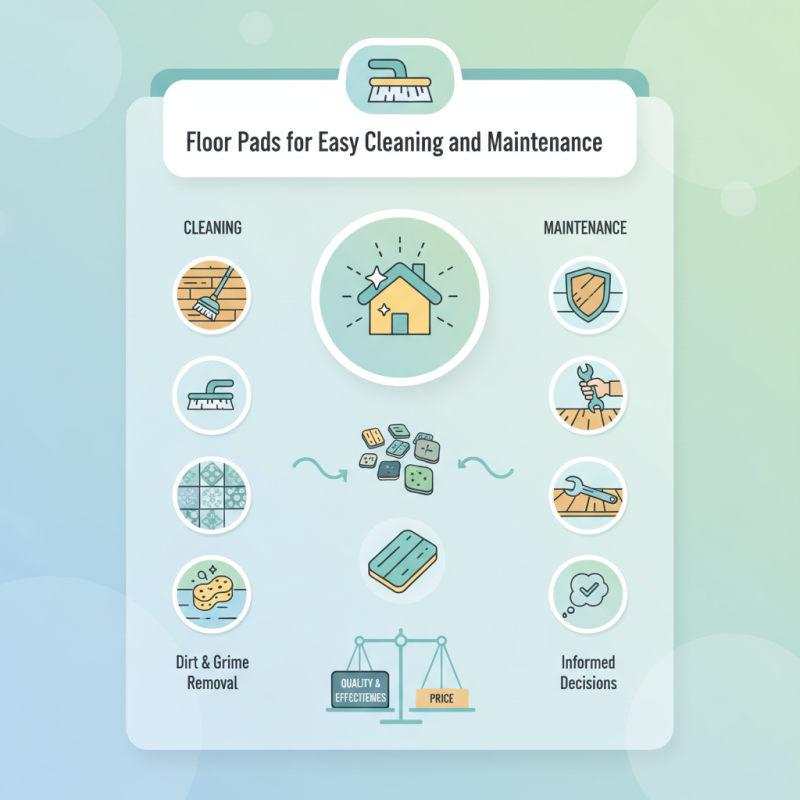
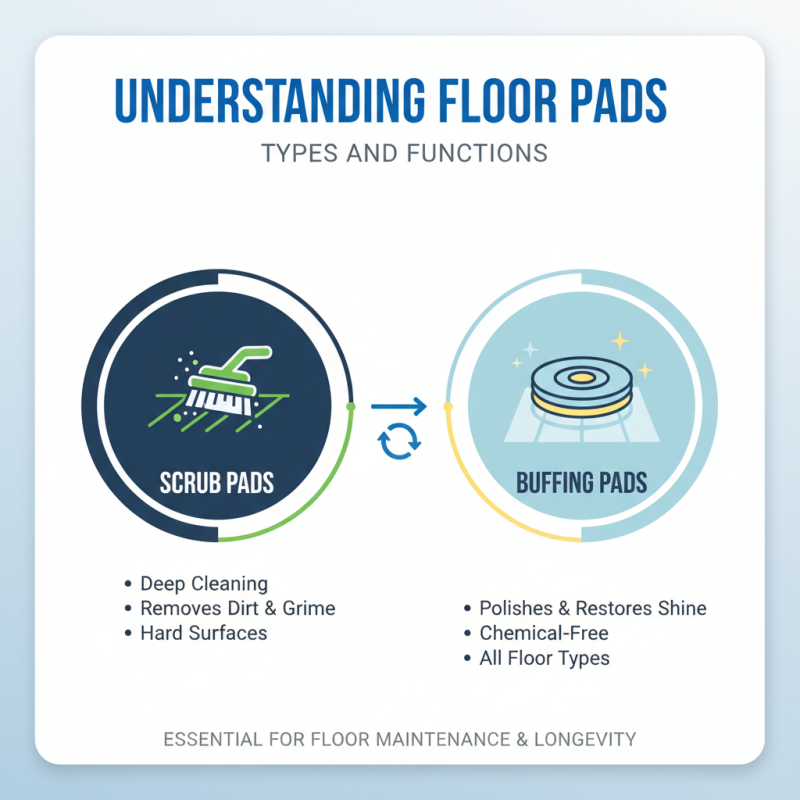
Floor pads are essential tools for maintaining cleanliness and prolonging the life of various flooring types. Different types of floor pads cater to specific tasks. For instance, scrub pads are ideal for stripping away dirt and grime. They work effectively on hard surfaces, ensuring a thorough clean. Buffing pads, on the other hand, are used for polishing floors. They help to restore shine without using harsh chemicals, aligning with eco-friendly cleaning practices.
Research shows that the global floor care market is expected to reach approximately $60 billion by 2026, primarily driven by the demand for efficient cleaning solutions. However, not all floor pads perform equally. Some may leave scratches or require excessive force, leading to user frustration. In fact, a survey indicated that 30% of users reported dissatisfaction due to poor durability or effectiveness. This highlights the importance of understanding the right type of pad for the job.
Moreover, it’s crucial to consider material composition. Some synthetic materials may not be suitable for all floor types, risking damage. This inconsistency can impact the cleaning outcome and user experience. Users often overlook the need for regular replacement of pads, which diminishes cleaning effectiveness. With proper selection and maintenance, floor pads can greatly simplify the cleaning process, enhancing overall floor care.
When selecting floor pads, it's crucial to focus on their key features. Look for pads that are versatile and can tackle various surfaces. Soft pads work well on delicate floors, while harder ones excel on tougher materials. This can make a significant difference in cleaning efficiency.
Additionally, consider the material of the pad. Microfiber is often a popular choice due to its absorbent properties. It picks up dirt and dust effectively. However, not all microfiber pads perform equally. Some wear down quickly, which can be frustrating. Pads with durability in mind can save you money in the long run.
It's also important to assess the pad's ease of maintenance. Some pads are machine washable, while others require manual cleaning. Think about your own cleaning habits. If you prefer low maintenance, look for pads that are easy to rinse out and quick to dry. Cleaning should not become a burden. Remember, an ideal floor pad balances effectiveness, durability, and convenience.
When it comes to floor care, selecting the right floor pad is essential. Different floor types require specific pads for optimal cleaning and maintenance. For hardwood floors, look for pads that are soft yet effective in removing dirt without scratching. The right texture allows for gentle cleaning while preserving the finish. It’s essential to ensure that the pads are not overly abrasive.
For tile surfaces, consider pads designed to tackle grout lines. These pads often have a textured surface that can scrub away stubborn stains. They allow you to reach deep into the crevices. Meanwhile, for laminate flooring, lightweight options work best. These pads prevent excess moisture, which can warp the laminate. Sometimes, we overlook the importance of moisture control, leading to damage.
Carpeted areas benefit from different types of pads. Vacuum-style pads can help lift dirt from fibers effectively. These pads can struggle to tackle deep stains, so it’s crucial to use them regularly. While searching for the perfect pads, one might spend too much time on less effective options. Reflecting on usage patterns can help identify what works best for your floor type.
| Floor Type | Pad Material | Pad Size | Best Use | Durability |
|---|---|---|---|---|
| Hardwood | Microfiber | 16 inches | Dusting & Polishing | Long-lasting |
| Tile | Nylon | 14 inches | Deep Cleaning | Medium |
| Vinyl | Foam | 18 inches | Gentle Cleaning | Good |
| Carpet | Velvet | 12 inches | Spot Cleaning | Short-term |
| Laminate | Sponge | 14 inches | Routine Cleaning | Good |
| Concrete | Natural Fiber | 16 inches | Heavy-duty Cleaning | Very Durable |
| Stone | Cotton | 12 inches | Mopping | Medium |
| Bamboo | Microfiber | 16 inches | Dusting & Mopping | Long-lasting |
| Cork | Synthetic | 18 inches | Deep Cleaning | Good |
| Rubber | Fiber | 14 inches | Scrubbing | Very Durable |
Maintaining floor pads extends their life and enhances cleaning efficiency. Regular care is essential to keep them effective. According to industry research, regular maintenance can increase the lifespan of floor pads by up to 50%. Proper cleaning prevents dirt build-up and reduces wear and tear.
Using a vacuum to remove loose debris is a good start. Deep cleaning pads with mild detergents can ensure they function well. Experts recommend cleaning floor pads after every use. Ensuring they dry thoroughly is also vital. Some users forget this step, leading to mold growth.
Storage can affect performance too. Avoid direct sunlight and high humidity. Storing pads flat helps maintain their shape. Discoloration from improper storage can also be an issue. A well-maintained floor pad is not just more effective; it also ensures a healthier environment. Small details matter in prolonging product life.
Using floor pads effectively can greatly enhance your cleaning routine. Start by selecting the right pad for your floor type. For soft floors, use pads designed for gentle cleaning. Hard surfaces require sturdier pads. Always assess the condition of your floor before applying any product. Some pads may cause scratches on delicate surfaces.
Before usage, sweep or vacuum the area. This removes debris and prevents scratching. Apply your preferred cleaning solution to the pad, not directly on the floor. A damp pad works best. Too much moisture can damage certain floor types. Work in small sections to avoid having the cleaning solution dry before you wipe it up.
Consider your cleaning rhythm; move the pad in straight lines. This method promotes even cleaning. Allow yourself time to notice areas that may need extra attention. Sometimes, you might miss spots or use too much pressure. Adjust your technique as needed. Remember, practice makes perfect when it comes to tackling those tricky cleaning challenges.