Best Dry Diamond Polishing Pad for Global Buyers?
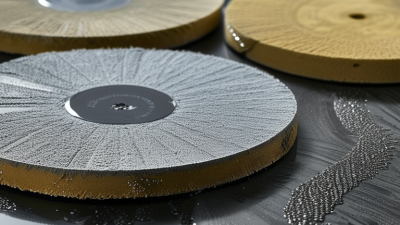
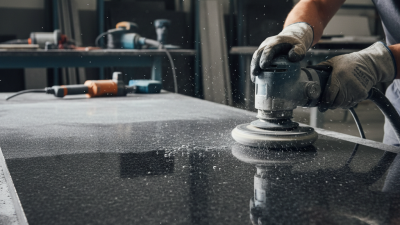
The demand for high-quality Dry Diamond Polishing Pads is on the rise globally. These pads offer efficiency and exceptional results in polishing stone and concrete surfaces. Industry expert Dr. Emily Carter emphasizes the importance of selecting the right pad: "A proper Dry Diamond Polishing Pad can make or break your project."
Many buyers face challenges when choosing from countless options available in the market. Inconsistencies in quality can lead to unsatisfactory results. Some pads may wear quickly or fail to deliver the desired finish. Such issues can frustrate even seasoned professionals.
Experts recommend focusing on durability and performance. It’s essential to investigate the specifications and reviews. However, many buyers must navigate this process with limited guidance. The right Dry Diamond Polishing Pad should enhance efficiency while ensuring cost-effectiveness. In summary, careful selection is crucial for achieving optimal results in polishing jobs.
Best Dry Diamond Polishing Pad: An Overview of Types and Features
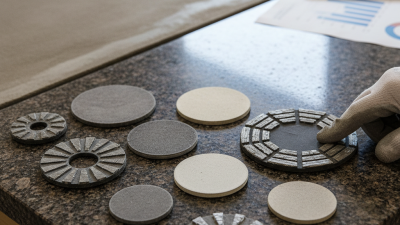
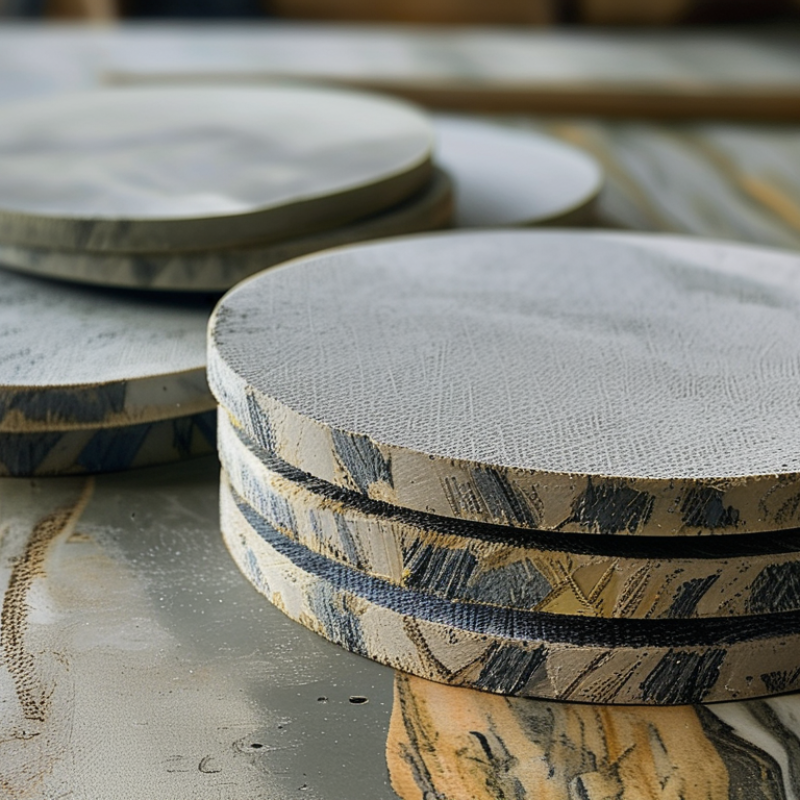
When selecting the best dry diamond polishing pads, it’s essential to understand the various types available. Each type serves a specific purpose, making it crucial to identify your needs. Some pads cater to softer materials, while others are designed for harder surfaces. You may find that some pads work better on concrete, while others excel with granite or marble. The right choice can significantly affect the final finish of your project.
Features also play a vital role in selecting the best dry diamond polishing pad. Consider factors like grit size and thickness. Pads with lower grit numbers are more aggressive, suitable for initial grinding tasks. As you get finer grit pads, the finish improves. However, high grit pads may wear out faster, requiring regular replacement. Be cautious when choosing; the longevity of your pads ultimately impacts your budget and efficiency.
Using these polishing pads effectively requires practice and technique. Many users struggle with finding the right pressure and speed, leading to uneven surfaces. It can be frustrating when results do not meet expectations. Trial and error is part of the learning process. Documenting your experiences can help refine your approach. Knowledge gained from practice can enhance your polishing skills over time, making each project more successful than the last.
Best Dry Diamond Polishing Pad: Performance Comparison
Key Industry Standards for Dry Diamond Polishing Pads Explained
When selecting dry diamond polishing pads, understanding industry standards is crucial. These standards ensure that users receive pads that perform effectively and safely under varied conditions. For instance, the American National Standards Institute (ANSI) has set guidelines that address the grit sizes, bonding agents, and specific applications. According to a report by Market Research Future, the global market for diamond polishing tools is expected to grow at a CAGR of 5.9%, indicating a rising demand for quality standards.
The grit size typically varies from 50 to 3000, influencing the polishing effect. A finer grit results in a smoother finish. However, not all pads perform equally well at different grits. Users often report variability in performance, raising concerns about quality control. Proper testing is essential, as inconsistent results can undermine projects. Another aspect is the choice of bonding agents, which impact the lifespan and effectiveness of the pads. Some bonds may wear out too quickly, leading to increased costs and inefficiencies.
Lastly, safety standards must not be overlooked. Well-defined standards ensure that these pads do not pose risks during use. Reports indicate that non-compliance can lead to accidents. Consequently, buyers must prioritize pads that adhere to recognized certifications. As the industry evolves, staying informed about these standards will ultimately lead to better performance and satisfaction in diamond polishing applications.
Comparative Analysis: Dry vs. Wet Diamond Polishing Pads Performance
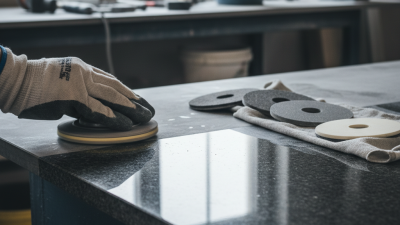
When comparing dry and wet diamond polishing pads, performance varies significantly based on the application. Dry pads are often more convenient, allowing quick adjustments without water. They are ideal for small jobs and tight spaces. However, dry polishing can produce more dust and may not achieve the same level of shine as wet pads.
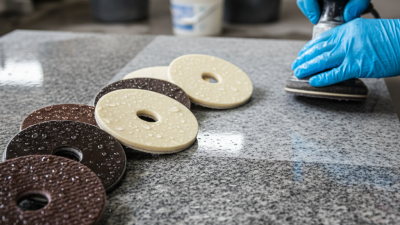
Wet diamond polishing pads, on the other hand, provide a smoother finish. The presence of water helps with dust control and reduces overheating during the polishing process. This method often results in a higher-quality polish on hard surfaces. However, the logistics of water can complicate mobility.
Tips: Use dry pads for quick touch-ups, especially in confined areas. If you want a high-gloss finish, consider wet pads. If you're new to polishing, start with moderate pressure to prevent surface damage. Understanding the appropriate pad for your task is essential.
Market Trends: Growth of Dry Diamond Polishing Pads Globally
The global market for dry diamond polishing pads is experiencing significant growth. Increasing demand arises from various industries, including construction, automotive, and consumer goods. This trend highlights the importance of efficiency in surface finishing and restoration processes. Businesses are looking for pads that offer high performance and durability. Thus, manufacturers are continuously innovating to meet these needs.
Despite the advancements, challenges remain. Some users struggle with the right selection of pads based on their specific applications. Understanding the different abrasive levels and grit sizes can be confusing. Additionally, the environmental impact of certain polishing pads is also under scrutiny. Many consumers are calling for eco-friendly options. As more buyers become aware of this aspect, the industry must adapt to meet these expectations.
In conclusion, while growth in dry diamond polishing pads is evident, the market must address both user education and sustainability. As we move forward, the landscape will likely shift towards more specialized products. This will require collaboration among manufacturers, suppliers, and users for optimal results.
Best Dry Diamond Polishing Pad for Global Buyers? - Market Trends: Growth of Dry Diamond Polishing Pads Globally
| Region |
Market Size (2023, USD Million) |
Growth Rate (2023-2028, %) |
Key Application Areas |
| North America |
150 |
5.2 |
Construction, Automotive |
| Europe |
120 |
4.8 |
Manufacturing, Stone Industry |
| Asia-Pacific |
200 |
6.5 |
Construction, Flooring |
| Latin America |
80 |
4.0 |
Renovation, Industrial |
| Middle East & Africa |
50 |
5.0 |
Construction, Oil & Gas |
Top Brands and Their Innovations in Dry Diamond Polishing Technology
The demand for dry diamond polishing pads is rapidly increasing. Industry reports show the market is expected to grow by 8% annually. Innovators are constantly striving to enhance the efficiency and lifespan of their products. Cutting-edge technology is now enabling longer-lasting pads, reducing the need for frequent replacements.
Several manufacturers have introduced advanced formulations. These formulations include high-grade diamond crystals embedded in resin. This allows for superior polishing on various surfaces, such as granite and concrete. A recent study indicated that pads with a smaller grit size produce finer finishes, appealing to high-end buyers. However, not all innovations meet the claims, leading to mixed buyer experiences.
In the quest for perfection, issues such as inconsistent performance still arise. Some pads may produce uneven results due to manufacturing inconsistencies. The focus on cost-effectiveness can sometimes compromise quality, requiring buyers to remain vigilant. Data suggests that the best-performing pads balance quality and affordability, yet consumers often face challenges in identifying such products. This ongoing struggle highlights the need for thorough research and informed decision-making in the market.