2026 Best Diamond Polishing Pads for Global Buyers?
In the realm of stone and concrete surface finishing, the role of Diamond Polishing Pads is undeniable. These essential tools offer efficiency, durability, and high-quality results. According to industry expert Dr. Sarah Ling, "The right Diamond Polishing Pads can transform a rough surface into a polished masterpiece." Her insights highlight the importance of choosing the best pads available.
As we look ahead to 2026, global buyers face a market filled with options. Each diamond pad varies in grit and material, affecting performance. It’s crucial to understand the specifics of each product to make informed choices. Some pads excel in speed but may lack durability. Others might last long but require more time to achieve desired finishes. Buyers often grapple with these trade-offs.
The challenge is not just about finding pads that work, but also those that suit individual needs. Issues like surface type and desired shine level complicate decisions. As the Diamond Polishing Pads industry evolves, staying updated on advancements becomes essential. The future promises innovations, yet it also requires reflection on current practices. Are we choosing the right tools for our projects?
2026 Diamond Polishing Pads: An Overview of the Market Landscape
The diamond polishing pad market is evolving rapidly, driven by demand across various industries. According to a recent market research report, the global diamond polishing pad market is projected to grow by 6.5% from 2023 to 2026. This growth reflects rising applications in
construction,
automotive, and
electronics sectors, where precision finishing is critical.
In 2026, environmental concerns will shape product development. Manufacturers are focusing on sustainable materials and processes. Reports indicate that over 30% of buyers prefer eco-friendly options, reflecting a significant shift in consumer preferences. However, the challenge remains in balancing quality with environmental standards.
The market features several types of diamond polishing pads, including resin-bonded and metal-bonded varieties. Each type serves different applications and materials. Understanding the nuances can be tricky for buyers. Some reports highlight that 40% of users are dissatisfied with their current pads due to poor durability and inconsistent performance. Continuous feedback is essential for improvement in these areas.
Key Features and Specifications of Top Diamond Polishing Pads
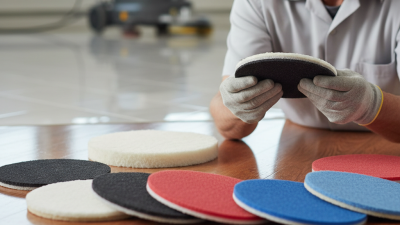
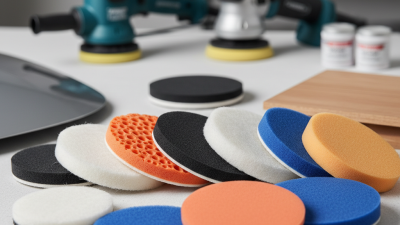
When it comes to selecting diamond polishing pads, understanding key features is crucial. These pads are essential in achieving a high-gloss finish on various surfaces. Factors like grit size, pad material, and compatibility with machines must be considered. A study indicates that diamond pads with a higher grit provide finer finishes but may wear out faster. Users must balance longevity and finish quality based on their specific needs.
Grit sizes range from coarse to fine. Coarse pads remove material swiftly but can leave scratches if not used properly. Fine pads polish surfaces to a mirror finish but require more time. A recent report highlighted that over 40% of the users prefer fine grit pads for their versatility.
Tips: Always match the pad grit to your project's requirements. Evaluate the surface material before selecting a pad. Test different pads on small areas to gauge performance.
Another essential aspect is the pad's backing material. Soft backing pads are beneficial for uneven surfaces, as they conform better. In contrast, hard backing pads provide stability for flat surfaces. Remember, not all pads are created equal; the choice of backing can significantly affect the polishing outcome.
Comparative Analysis: Best Brands for Global Consumers in 2026
When it comes to diamond polishing pads, the market offers numerous options. Buyers must consider several factors to make informed choices. Quality is crucial. The effectiveness of a pad impacts the overall finish of surfaces. High-quality pads tend to last longer, reducing costs in the long run. However, understanding what makes a good pad can be challenging.
Another important aspect is the variety of grits available. Different tasks require different grits. Consumers need to understand their specific needs before making a purchase. A coarser pad may work for heavy material removal, while finer pads are essential for achieving a polished look. Confusion often arises about which grit is best suited for particular jobs. This uncertainty can lead to mistakes in the selection process.
Additionally, expertise is critical. Many buyers may lack the knowledge to evaluate these products properly. Researching the best brands and their offerings is necessary. However, reviews and recommendations can sometimes be misleading. Every buyer's experience may vary based on individual tasks and preferences. Understanding these nuances helps in making a more informed and confident purchasing decision.
User Recommendations and Feedback on Diamond Polishing Pads
When choosing diamond polishing pads, user feedback is invaluable. Many enthusiasts recommend focusing on grit levels. Some users prefer a finer grit for a polished finish, while others choose coarser pads for quicker material removal. Listening to various opinions helps in making an informed decision.
Experience varies widely among users regarding durability. Some find that certain pads wear out quickly, while others last through multiple projects. It's essential to consider the type of surface being worked on. Concrete, granite, and marble all respond differently to various pad types. Users often suggest testing a few options before committing to a larger purchase.
Not all recommendations are positive. Some users mention that specific pads may not meet expectations in terms of performance. These reflections are crucial for potential buyers. Seeking out user reviews can reveal insights that product descriptions often miss. Real-world experiences highlight the importance of trial and error in finding the right pad.
Future Trends in Diamond Polishing Pad Technology and Innovation
The future of diamond polishing pad technology is evolving rapidly. Innovations are emerging to enhance efficiency and quality. One trend is the development of advanced materials that reduce wear while maintaining performance. These new composites can withstand higher temperatures and pressures, which is crucial in industrial applications.
Another exciting trend involves the integration of smart technology. Sensors embedded in polishing pads can monitor wear levels and performance in real-time. This data allows for better management of the polishing process, leading to consistent results. However, there are challenges in implementing these technologies effectively across various industries.
Environmental consciousness is also becoming a priority. Manufacturers are exploring sustainable practices and materials in production. While this approach is promising, it can lead to higher costs and complexities. The balance between sustainability and efficiency remains a topic worth exploring. Continuous research and development will be essential in addressing these concerns and enhancing the reliability of diamond polishing pads.
2026 Best Diamond Polishing Pads for Global Buyers
| Pad Type |
Grit Size |
Material |
Application |
Durability (Hours) |
Price Range (USD) |
| Wet Polishing Pad |
50-3000 |
Diamond coated |
Granite, Marble |
20-30 |
20-60 |
| Dry Polishing Pad |
50-3000 |
Diamond coated |
Concrete, Terrazzo |
15-25 |
10-50 |
| Flexible Polishing Pad |
200-3000 |
Resin bonded |
Marble, Quartz |
25-35 |
30-70 |
| Turbo Polishing Pad |
100-2000 |
Diamond coated |
Granite, Concrete |
20-28 |
50-100 |