Best Concrete Polishing Resin Pads for Superior Finishing Techniques?
Concrete polishing is an essential process in achieving a perfect finish. The right tools and materials can significantly influence the outcome. Among these tools, Concrete Polishing Resin Pads stand out as vital components. These pads enhance the polishing process, delivering a superior finish and ensuring durability.
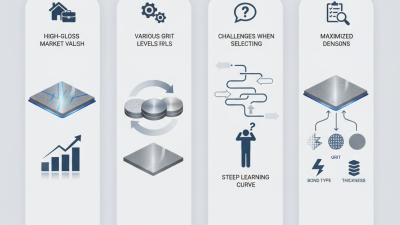
Choosing the best Concrete Polishing Resin Pads requires understanding their types and applications. Each pad varies in grit and composition, affecting the level of sheen and smoothness. Users often face challenges selecting appropriate pads for specific projects. This highlights the importance of expert advice and product knowledge.
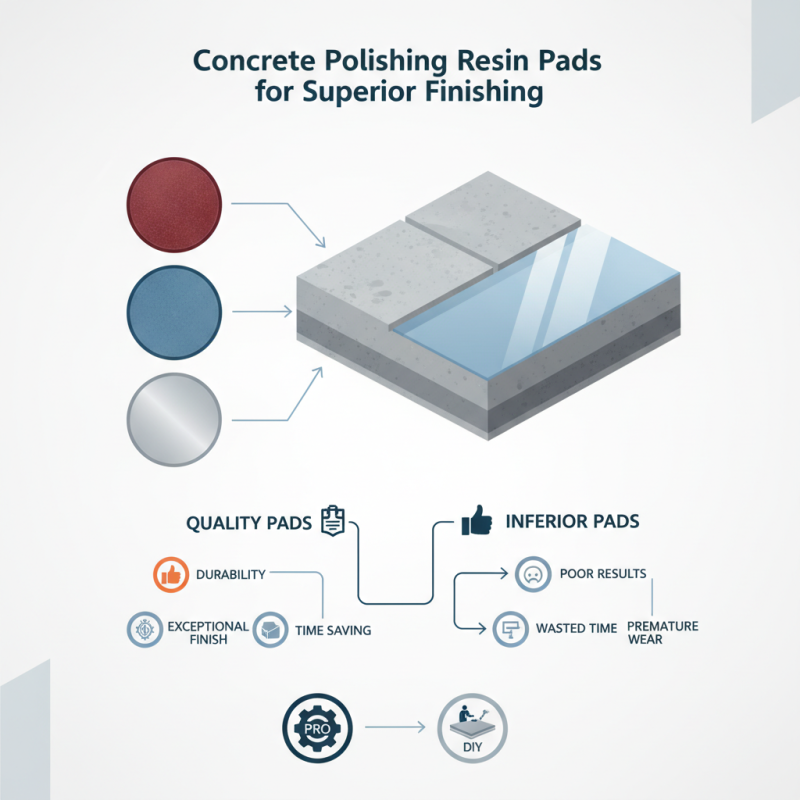
Quality and performance matter enormously in polishing. Reliable pads can make all the difference between a mediocre and an exceptional finish. Neglecting to choose the right pad can lead to poor results and wasted time. Thus, investing in quality Concrete Polishing Resin Pads is crucial for professionals and DIY enthusiasts alike.
Understanding Concrete Polishing Resin Pads: An Overview
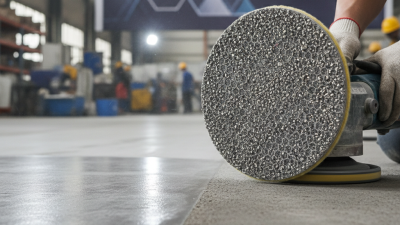
Concrete polishing resin pads play a crucial role in achieving a superior finish on concrete surfaces. These pads are designed to grind and polish concrete efficiently. They work by utilizing a resin-bonded abrasive material that resists wear and delivers consistent results. The right pad can make a significant difference in the overall appearance of polished concrete.
When selecting resin pads, consider the grit size. Higher grits produce smoother finishes, while lower grits are suitable for heavier grinding. It's essential to assess your project requirements before choosing the appropriate pads. Often, users overlook the importance of backing pads as they also affect performance. Without the right backing, even the best resin pads may not deliver desired results.
It's important to conduct test runs on small areas. Observing how the pads perform can help refine your technique. A polished finish requires time and patience. Many inexperienced users expect immediate results. However, honing your method is critical in mastering this craft. It's a journey of learning, where adjustments lead to better outcomes.
Types of Concrete Polishing Resin Pads and Their Applications
Concrete polishing resin pads are essential tools in achieving high-quality finishes. There are several types of resin pads, each designed for specific applications. For instance, medium bond pads work best for softer concrete, while hard bond pads are more suitable for dense surfaces such as granite. According to industry reports, using the correct pad type can enhance productivity by up to 30%, revealing the importance of choosing wisely.
Resin pads often come in various grit levels, ranging from 50 to 3000. Lower grit numbers are suitable for aggressive material removal, while higher grits provide finer finishes. This diversity allows professionals to adapt their techniques based on project requirements. Engaging in training on pad usage can significantly improve outcomes, as the learning curve can be steep.
Tips: Always test the pads on a small area first. This helps you assess how the pad reacts with the concrete. Be cautious; using the wrong pad can lead to unsatisfactory finishes. Regular maintenance of resin pads extends their lifespan. Well-maintained pads perform reliably, increasing project efficiency. Remember, a poor pad choice can lead to uneven surfaces, prompting costly repairs.
Best Concrete Polishing Resin Pads for Superior Finishing Techniques
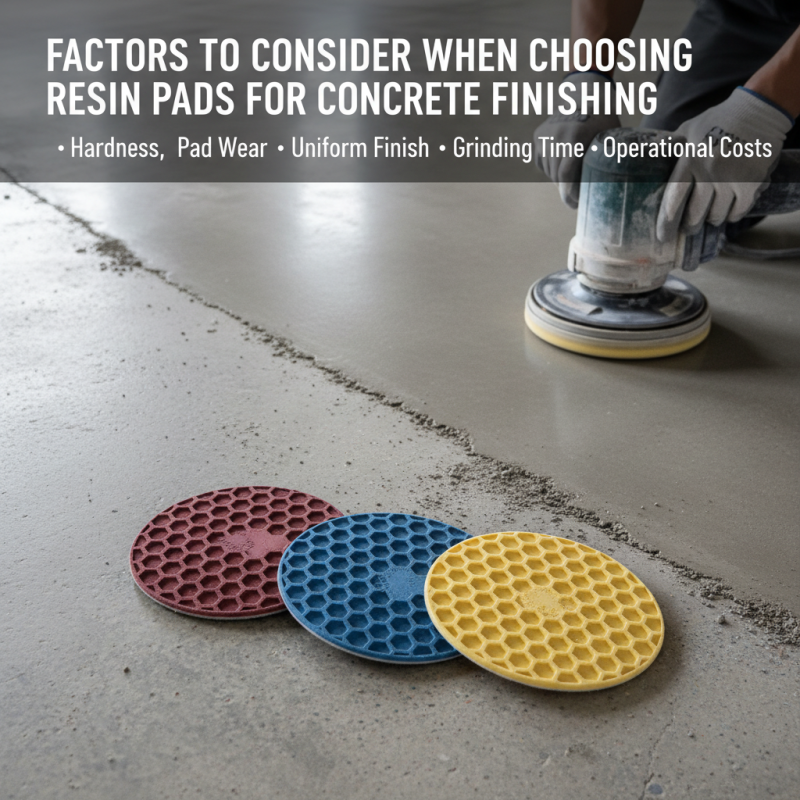
Factors to Consider When Choosing Resin Pads for Concrete Finishing
When choosing resin pads for concrete polishing, several factors matter. The hardness of the pad impacts how it interacts with the concrete surface. Softer pads can conform better to uneven surfaces. However, they may wear out faster. A balance is essential for achieving a uniform finish. According to industry reports, improper pad selection can lead to increased grinding time and higher operational costs.
The type of resin used in pads also significantly affects performance. Higher quality resins provide better durability and resistance to wear. Research shows that pads created with advanced formulations can last up to 50% longer than standard options. In addition, a pad's grit size plays a crucial role. Finer grits create a smoother finish but may require more passes. In contrast, coarser grits remove material quickly but can leave scratches. Understanding these details is vital.
Environmental considerations cannot be ignored. The choice of resin pad can impact dust levels and emissions. Properly formulated pads generate less dust, improving air quality during polishing. In a recent study, using quality resin pads reduced airborne particles by approximately 30%. Selecting the right resin pad is a complex process. One must weigh wear characteristics, grit sizes, and environmental implications to ensure effective concrete finishing.
Step-by-Step Guide to Using Resin Pads for Optimal Results
When using resin pads for concrete polishing, proper technique is essential for achieving optimal results. Begin by selecting the right grit for your project. For example, a lower grit pad (around 50-100) is ideal for heavy material removal, while higher grits (up to 3000) are excellent for achieving a glossy finish. A study by the Concrete Polishing Association of America reveals that using the right pad can reduce grinding time by up to 40%.
Next, implement a systematic approach. Wet grinding is often recommended, as it minimizes dust and enhances the pad's life span. Monitor the pad’s wear during the process. Signs of wear include losing its abrasive properties or uneven finish. If you notice these signs, it may be time to replace the pads. Keeping a close watch ensures you maintain the consistency of the finish, which is critical especially for large projects.
Maintenance of the surface is equally important. After polishing, using a concrete sealer can enhance durability and appearance. Newer methods report a 25% increase in lifespan of polished surfaces when proper maintenance is followed. Polishing might seem straightforward, but attention to detail can lead to significant improvements in quality.
Maintenance Tips for Extending the Life of Concrete Polishing Pads
Concrete polishing pads are essential tools for achieving a superior finish. However, their lifespan can be significantly affected by how they are maintained. A recent industry report states that proper care can extend the life of these pads by up to 50%.
Regular cleaning is crucial. Residue build-up can reduce their effectiveness and lead to uneven results. After each use, rinse the pads thoroughly with water to remove any concrete dust or debris.
Storage practices also matter. Concrete polishing pads should be stored in a dry area, away from direct sunlight and moisture. Exposure to these elements can weaken the pad's structure over time. According to floor maintenance guidelines, using a protective cover can further shield pads from wear. Additionally, avoiding excessive pressure during polishing can prevent premature damage. Many professionals overlook the need to adjust pressure settings according to the concrete's hardness.
This simple adjustment can enhance pad performance and durability.
Maintaining the right temperature is important during operation. Too much heat can impair the resin bond, leading to quick wear. Keeping the workspace cool and ensuring proper ventilation can help mitigate this issue. Some operators forget to monitor temperature variations, which leads to inconsistent results. Overall, attention to these details ensures that polishing pads perform optimally, providing the desired finish while lasting longer.