Best Concrete Polishing Resin Pads for Perfect Finishes?
The pursuit of a flawless concrete finish has led many professionals to explore different tools and techniques. Among these, Concrete Polishing Resin Pads stand out for their effectiveness and versatility. Used widely in the construction industry, these pads offer a range of options for achieving the desired sheen.
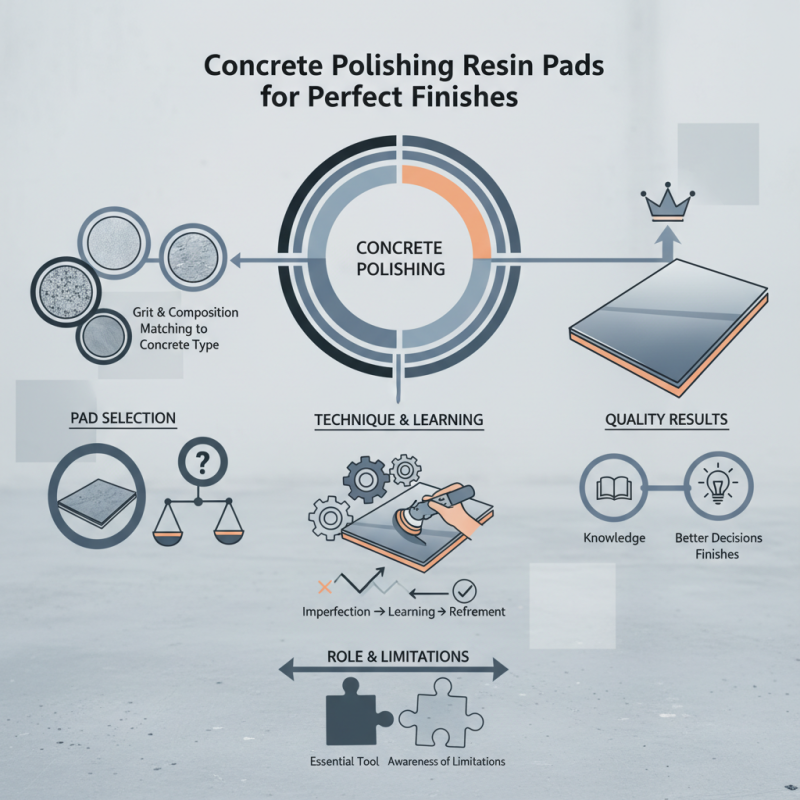
Selecting the right resin pad can be challenging due to the variety on the market. Each pad varies in grit and composition, affecting the final outcome. It's easy to overlook crucial details, such as the importance of matching the pad to the concrete type. Mistakes can lead to uneven surfaces and unnecessary rework.
Moreover, while many users may expect perfection, imperfection can serve as a learning opportunity. Refining your technique requires experience and patience. In the ever-evolving world of concrete polishing, understanding the nuances of each pad is essential. Proper knowledge ensures better decisions and improved finishes. Ultimately, Concrete Polishing Resin Pads play a vital role in achieving quality results, but awareness of their limitations is equally important.
Understanding Concrete Polishing: The Role of Resin Pads
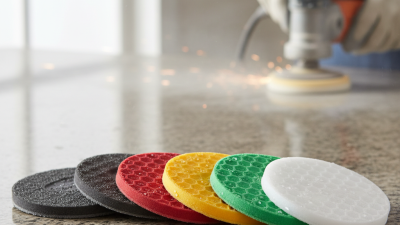
Concrete polishing is an intricate process that requires the right tools for the best results. Resin pads play an essential role in achieving that perfect finish. These pads, made from high-quality materials, attach to polishing machines and are designed to refine concrete surfaces effectively. Their composition allows for varied grit levels, impacting the degree of shine and smoothness.
Using resin pads can significantly improve surface quality. By choosing the right grit size, you can tackle rough patches and ensure a more consistent finish. However, not every pad works well on all concrete types. Some pads may wear down quickly or produce uneven surfaces if mismatched with the concrete's hardness. This inconsistency can frustrate users who seek perfection in their projects.
Inspecting and maintaining resin pads is crucial for optimal performance. Worn pads may leave scratches or fail to achieve the desired gloss. Regularly checking for damage ensures quality results. It’s a learning curve, and mistakes can happen. Reflecting on each polishing session can help refine techniques and improve overall results. Understanding the material and conditions is key to mastering concrete polishing with resin pads.
Best Concrete Polishing Resin Pads for Perfect Finishes
| Pad Type |
Grit Size |
Ideal Surface |
Durability |
Price Range (USD) |
| Resin Bond |
50-100 |
Honed Concrete |
Medium |
$40 - $70 |
| Metal Bond |
20-30 |
Coarse Concrete |
High |
$50 - $90 |
| Hybrid Pads |
100-200 |
Polished Concrete |
Medium-High |
$60 - $100 |
| Resin Polishing |
200-300 |
Very Fine Concrete |
Low |
$70 - $120 |
Types of Concrete Polishing Resin Pads Available on the Market
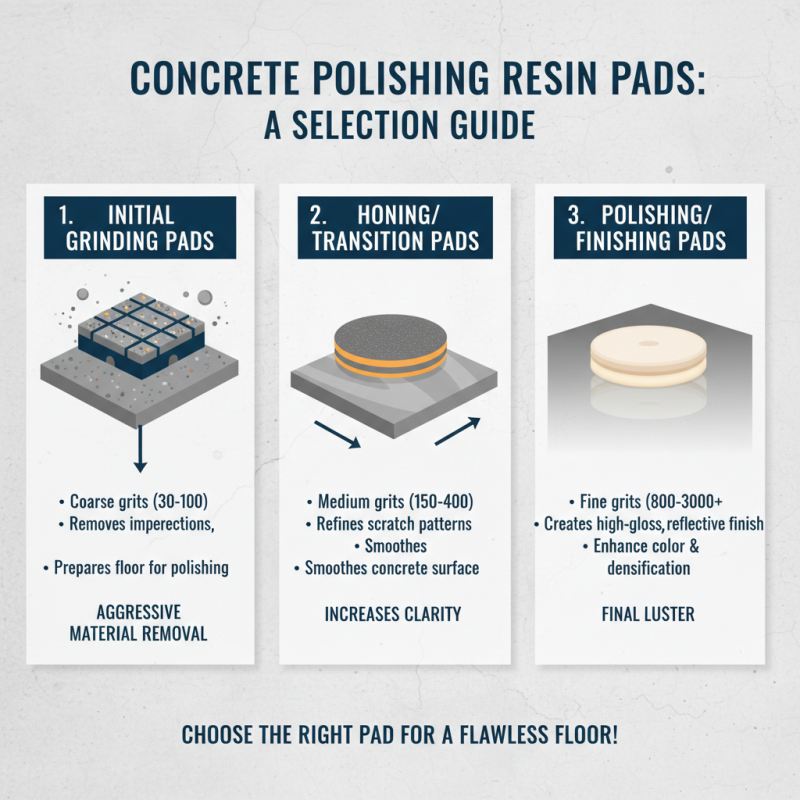
When it comes to concrete polishing, choosing the right resin pad is key for achieving a flawless finish. Various types of resin pads cater to different needs and applications in the concrete polishing process. Some pads are designed for initial grinding, while others are best for achieving a high gloss. Understanding these differences can make a significant impact on the final appearance of the floor.
There are mainly two types of concrete polishing resin pads: soft and hard. Soft pads are ideal for working on very hard concrete surfaces. They allow better flexibility, which helps in conforming to minor imperfections on the surface. Hard pads, on the other hand, are often used for softer concrete types. They provide a more aggressive grind and lead to quicker results. Selecting the right pad prevents unnecessary scratches and uneven patches, allowing for a more polished look.
In practice, users may find that even with the best tools, some flaws can emerge. For example, pads can wear unevenly, leading to inconsistencies. It’s important to check your pad condition regularly. Regular maintenance helps in achieving the intended result, but minor imperfections may still appear. This ongoing process of evaluation is part of mastering concrete polishing.
Key Features to Consider in High-Quality Resin Pads
When selecting concrete polishing resin pads, it’s crucial to consider their essential features. High-quality resin pads significantly impact the finishing process. A recent industry report highlights that 70% of professionals prefer pads with superior bonding agents. These agents enhance durability and ensure a consistent polish.
Another important feature is the grit level. The right grit can determine the smoothness of the finish. Reports indicate that a pad's grit affects surface profile and gloss level. Many experts recommend using a range of grits for optimal results. A three-step grit progression often yields better finishes.
Moreover, flexibility is vital. Resilient pads can adapt to varying surfaces and angles. However, not all pads offer this flexibility. Some may wear unevenly, leading to inconsistent results. A critical assessment of pad performance could save time and resources. Ultimately, understanding these features can aid in achieving a perfect finish.
Best Concrete Polishing Resin Pads - Key Features Comparison
Step-by-Step Guide to Using Resin Pads for Concrete Polishing
When using resin pads for concrete polishing, proper technique is crucial. Start with the right grit.
Begin with a coarse pad to remove surface imperfections. Gradually move to finer grits for a smooth finish.
Each pad serves a specific purpose, ensuring a polished surface without scratches. Pay attention to pressure and speed.
Too much pressure can damage both the pad and the concrete.
After you have prepared your surface, water is essential. It acts as a lubricant and helps reduce dust.
Keep the surface damp throughout the polishing process. This step can be overlooked but is vital for achieving a perfect finish.
Take breaks to inspect your work. Are there areas that need more attention? Identifying flaws early can save time later.
Finishing touches are important. Use a higher grit pad for that mirror-like shine.
Inspect your work under different lights to catch imperfections. Remember, practice is key.
Even experienced users can overlook minor details. Each project presents its own challenges, and reflection on the process can lead to better results in the future.
Embrace the learning curve to enhance your skills over time.
Maintaining Resin Pads for Long-lasting Performance and Results
Resin pads are crucial for achieving a stunning concrete finish. However, their lifespan can be significantly affected by how well they are maintained. Regular cleaning is essential. After each use, residue can build up on the pads, leading to reduced effectiveness. A simple wash with water can help remove this debris, keeping your pads in top shape.
Another key factor in maintaining resin pads is proper storage. Storing pads in a damp or hot environment can lead to premature wear. Instead, keep them in a cool, dry place. This helps preserve their integrity and performance. It’s also wise to inspect the pads regularly. Look for signs of wear, like cracks or missing segments. Early detection can save you from costly replacements.
Finally, don’t overlook the importance of the right technique during polishing. Using excessive pressure can damage pads, rendering them ineffective. Finding a balance between pressure and speed is vital. Practice makes perfect, and reflection on your approach will lead to improved results.