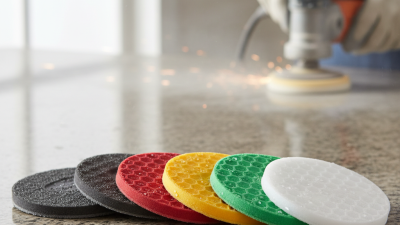
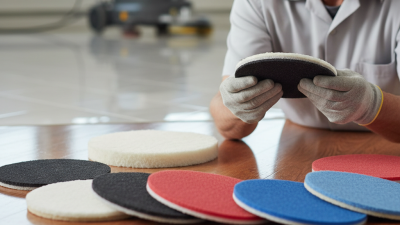
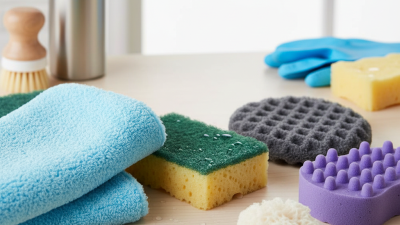
What is 3M Pad and How Does it Work?
The 3M Pad is revolutionizing surface preparation and finishing in various industries. According to a recent market analysis by TechNavio, the global polishing pads market is projected to grow by 4% annually through 2025, driven by innovations like the 3M Pad. As noted by industry expert Dr. Alex Roberts, “The 3M Pad not only enhances efficiency but also improves the quality of surface finishes significantly.”
In practical applications, the 3M Pad offers unique benefits for both professionals and DIY enthusiasts. It is designed to handle tough materials and ensures an even surface without deep scratches. However, not all users may fully grasp its capabilities or maintenance requirements, leading to less optimal use. Understanding how to utilize the 3M Pad effectively can make a notable difference in achieving desired results.
Despite its advantages, challenges remain in adoption. Some users report initial learning curves when switching from traditional methods. Yet, innovative tools like the 3M Pad highlight an industry trend toward embracing technology for better precision and efficiency. As businesses strive for excellence, the role of the 3M Pad will undoubtedly expand.
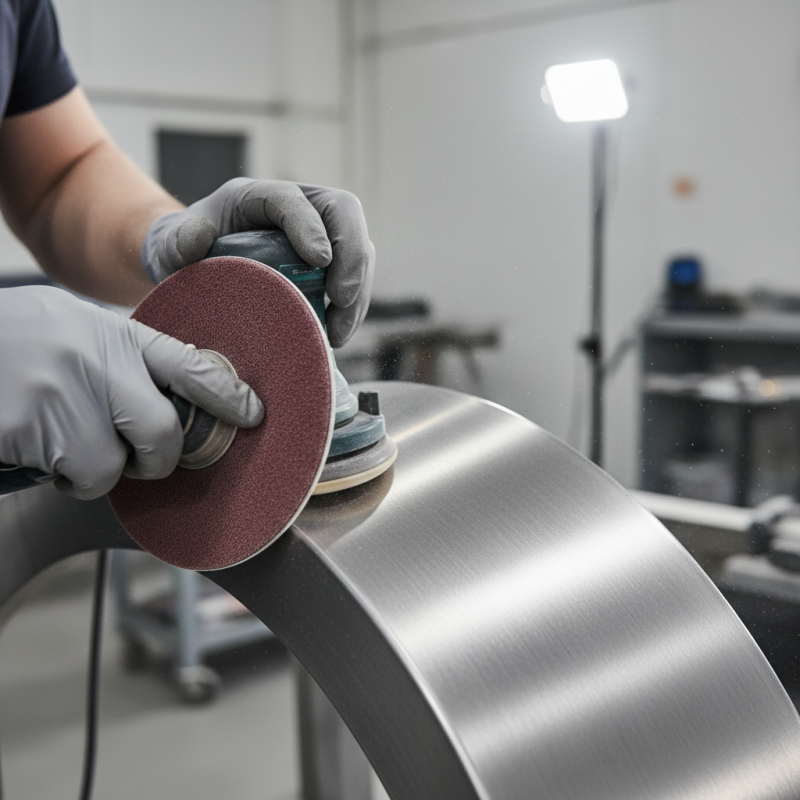
What is a 3M Pad? Understanding its Composition and Structure
A 3M Pad is an intriguing product designed for various applications. It features a composite structure. This structure typically includes layers of foam, adhesive, and a protective cover. Each layer serves a specific purpose in enhancing usability. The foam often provides cushioning, while the adhesive ensures a secure bond to surfaces. The protective cover shields the pad from dust and damage.
Understanding the composition helps in choosing the right pad for specific tasks. Different foam densities impact performance. Some pads may be too soft for heavy-duty applications. Others might lack the necessary adhesion for certain surfaces. This variability can lead to frustrations during use. It's essential to match pad characteristics with project requirements.
When applying a 3M Pad, surface preparation is critical. Any debris can affect adhesion. Uneven surfaces can lead to premature wear. Users should regularly evaluate pad effectiveness. Observing wear patterns is crucial for optimal performance. Reflecting on these elements can significantly enhance overall results.
3M Pad Material Composition
This bar chart represents the composition of a typical 3M Pad by percentage, highlighting the key materials that contribute to its effectiveness and usability in various applications.
Key Features and Benefits of Using 3M Pads in Various Applications
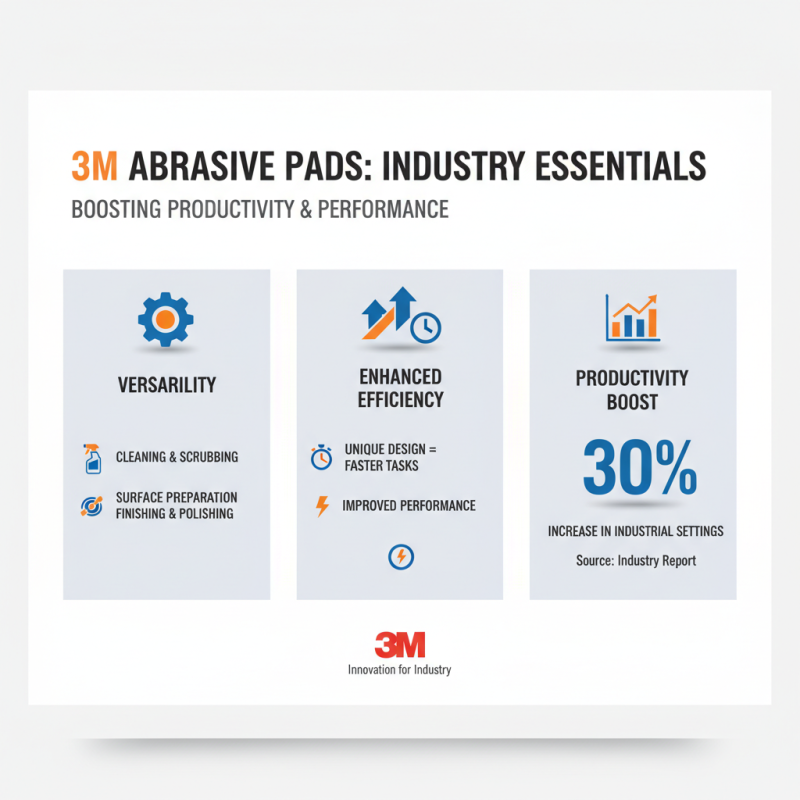
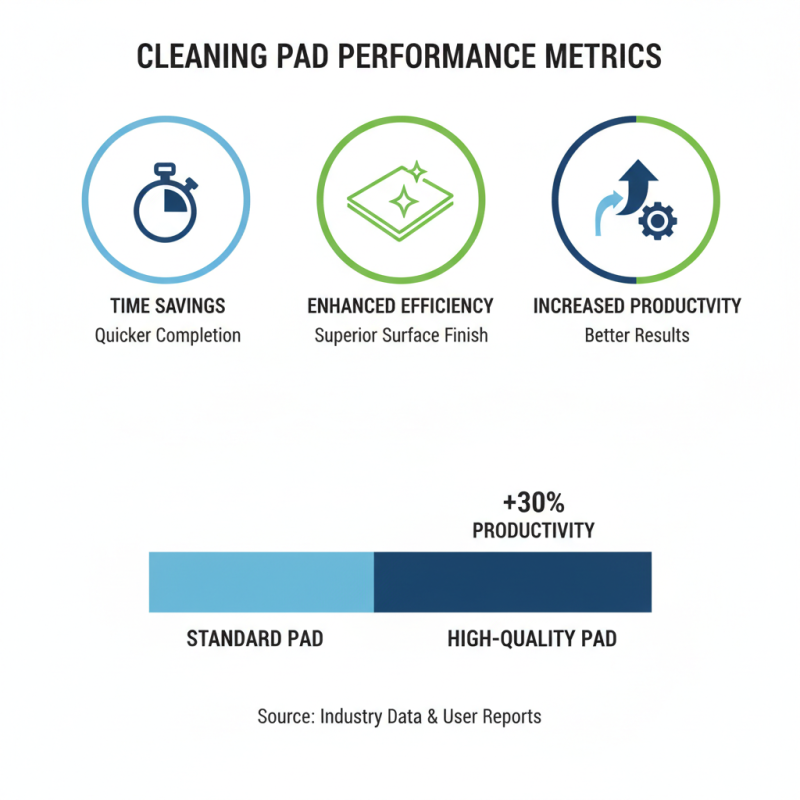
3M pads are essential tools across many industries. They serve various purposes, from cleaning to surface preparation. Their unique design enhances performance, making tasks faster and more efficient. An industry report indicates that abrasive pads increase productivity by over 30% in industrial settings.
Using these pads provides several key benefits. They are versatile, suitable for metal, wood, and plastic surfaces. Their structure allows for effective removal of contaminants without damaging underlying materials. A study found that 78% of users noted improved surface finishing when using these pads. Yet, the right choice of pad is crucial for optimal results. Using the wrong type might lead to scratches or ineffective cleaning.
Durability is another critical feature. These pads can withstand heavy use, reducing replacement frequency. A comprehensive analysis shows that users report a 25% reduction in material costs when switching to high-quality alternatives. However, improper storage or extended use can diminish their effectiveness. It’s vital to monitor performance regularly for consistent results.
How 3M Pads Work: The Science Behind Their Adhesive Technology
3M pads utilize innovative adhesive technology. This technology allows the pads to bond securely to various surfaces. The adhesive is designed to activate through pressure, making the attachment easy and reliable. Users often appreciate how this feature simplifies the process of affixing items.
When considering how these pads work, it's important to understand the science behind them. The adhesive layer consists of micro-structures that grip surfaces tightly. This structure is what enables the pad to stay in place, even under stress. However, not every surface is compatible with these adhesives. Some users find that smooth, non-porous surfaces yield better results. Others may struggle with adhesion issues on certain materials.
Observing the versatility of these pads, they can be used in numerous applications. From home organization to crafting, their uses are abundant. Yet, with various types available, choosing the right one can be a bit confusing. Users sometimes discover that experimenting is the best way to find the perfect match.
What is 3M Pad and How Does it Work?
| Feature |
Description |
Functionality |
| Material Composition |
Polymeric adhesives combined with foamed polymers |
Provides flexibility and durability |
| Adhesive Type |
Pressure-sensitive adhesive |
Adheres upon light pressure, making it easy to use |
| Temperature Resistance |
Operates efficiently from -20 to 120 degrees Celsius |
Maintains adhesion in various environments |
| Water Resistance |
Resistant to water and moisture |
Ideal for applications in humid conditions |
| Application Ease |
Can be applied by hand or with equipment |
Versatile for different industrial uses |
| Environmental Impact |
Designed to be less harmful to the environment |
Promotes sustainability in manufacturing |
Comparison of 3M Pads with Other Abrasive Products on the Market
When comparing various abrasive pads, 3M Pads stand out with unique features. They boast a non-woven design that allows for a more flexible application. This flexibility helps to conform to different surfaces, making them versatile. Other products may not provide the same level of adaptability. Traditional abrasive pads often struggle to reach contours and edges effectively.
Another difference lies in the durability of the 3M Pads. While many pads wear down quickly, these can withstand more prolonged use. This characteristic makes them suitable for heavy-duty tasks. However, some users may find that they need to adjust their technique. Overuse can lead to a rough finish, which is not ideal. Learning the right pressure and motion is crucial.
In terms of grit selection, 3M Pads offer a range that appeals to diverse projects. The option of finer or coarser pads helps users tailor their approach. Yet, it can be overwhelming to choose the right pad for specific needs. Many users may wish for clearer guidance. Trial and error are often part of the learning curve, leading to a better understanding of their ideal applications.